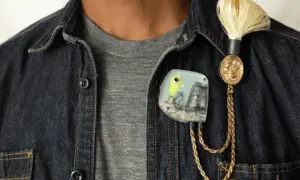







OpenAI is stepping up its efforts to court online shoppers and major retailers by introducing a powerful new generative artificial intelligence feature to ChatGPT. The platform’s newly integrated tool allows users to take or upload a selfie to generate realistic images, giving them a clear visual representation of how clothing and accessories will look on them prior to making a purchase.
According to the update, a dedicated "try-on" button will soon appear on product listings for various apparel and accessories directly within the ChatGPT interface. This latest development marks a significant escalation in the race to capture the booming conversational commerce market, as tech giants and AI developers race to bridge the gap between digital discovery and physical retail experiences.
OpenAI’s latest feature arrives as the company systematically builds out its e-commerce capabilities to attract a broader base of shoppers and retail partners. Over the past year, OpenAI has steadily rolled out features designed to make ChatGPT a viable destination not just for general inquiries, but for end-to-end shopping journeys.
The expansion into retail tech has already attracted prominent brands looking to experiment with agentic AI platforms. In April, David’s Bridal established a presence on Shopify’s Agentic Storefronts for ChatGPT and Microsoft Copilot. This integration allowed shoppers to easily navigate and sift through the bridal retailer’s extensive assortment of gowns and apparel by specific silhouettes across both major artificial intelligence platforms. Just a month later, Etsy deepened the trend by debuting its own dedicated app directly on ChatGPT, further cementing conversational search and AI-assisted curation as a core part of the modern digital marketplace.

These integrations follow OpenAI’s broader strategic moves in the e-commerce sector. Last year, the company introduced a dedicated shopping research feature built to intelligently recommend and compare products based on open-ended user search queries. By layering virtual try-on capabilities on top of these recommendation engines, OpenAI is moving closer to offering a comprehensive shopping assistant that can guide a consumer from the initial inspiration phase all the way to a confident sizing and styling decision.
With the introduction of this image-generation try-on technology, OpenAI is also directly challenging Google’s established suite of product visualization tools. Google has spent the past several years aggressively deploying its own generative artificial intelligence to solve the sizing and fit problems that have long plagued online apparel retail.
Google initially debuted its virtual try-on tool in 2023, giving consumers the ability to virtually see women’s tops rendered realistically on a diverse range of models. Building on that foundation, Google extended the feature to include dresses the following year, allowing shoppers to visualize how different cuts and patterns drape on various body types. Last year, Google expanded the technology further into footwear, allowing users to evaluate shoes digitally before committing to a purchase.
The rapid adoption of these technologies by industry heavyweights highlights a broader commercial imperative. Retailers and technology platforms alike are acutely aware that consumers frequently hesitate to buy clothing and accessories online due to the uncertainty surrounding fit, color accuracy, and overall appearance.

Before OpenAI and Google bolstered their respective platforms with advanced product visualization features, industry research strongly indicated that brands were actively seeking out these tools to drive conversion and reduce costly returns. A comprehensive 2024 survey conducted by Perfect Corp. revealed that brands which successfully implemented virtual try-on technology more than doubled their sales conversion rates.
Furthermore, consumer sentiment heavily favors the integration of these immersive tools into everyday shopping workflows. The survey found that more than a third of respondents—specifically 38.4%—considered virtual fitting rooms and try-on experiences to be the ideal method for recreating the tactile, reassuring nature of physical shopping environments within digital storefronts.
As competition heats up between OpenAI, Google, and other technology providers, the line between traditional e-commerce websites and conversational AI interfaces continues to blur. By empowering users to instantly visualize apparel using a simple selfie, OpenAI is providing retailers with a compelling new channel to engage digital consumers, reduce purchase hesitation, and capture market share in an increasingly crowded generative AI landscape.