





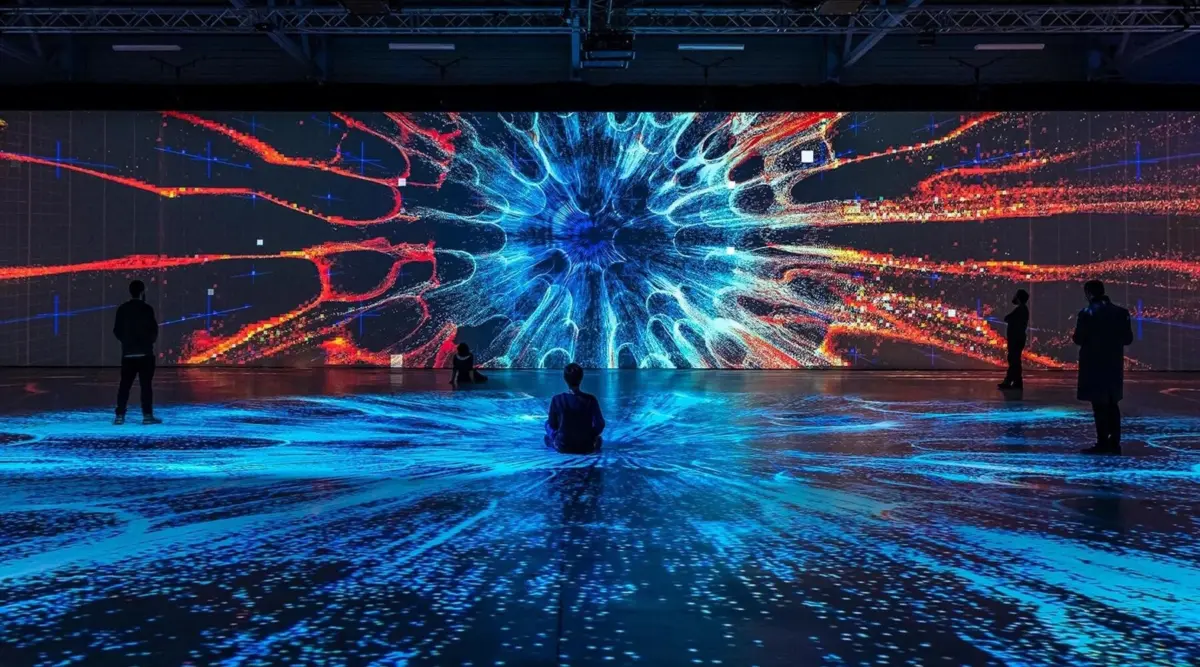
Prague has once again transformed into an open-air canvas of light, sound, and digital wonder as the Signal Festival reemerges for its fourteenth edition. Centered around the theme "Dream On!", the digital art festival brings together immersive installations, cutting-edge projection mapping, and boundary-pushing performances that fundamentally alter the historic streets, landmarks, and architectural monuments of the Czech capital. Following the dazzling opening night, festival co-founder Martin Pošta sat down in the newly inaugurated Signal Space to reflect on the event’s humble origins, its evolution over more than a decade, and the enduring magic of bringing light art to the public.
Signal Festival Co-Founder Reflects on the Event’s Origins
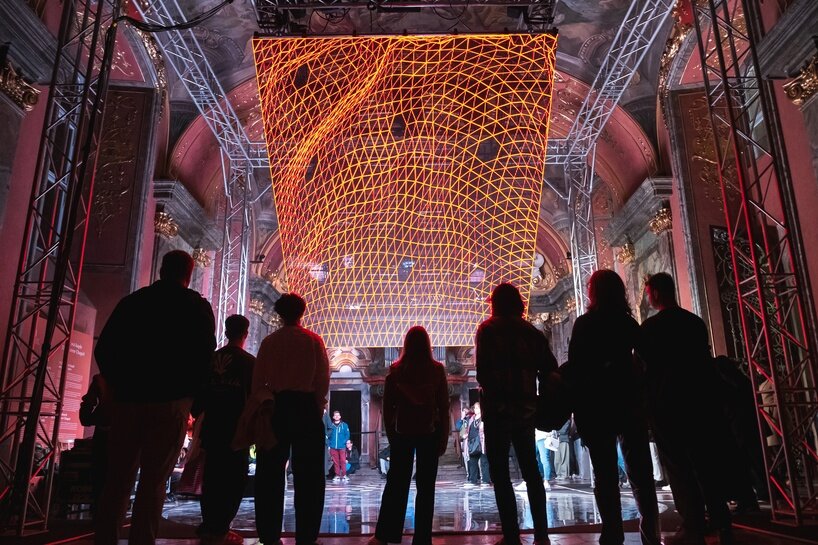
Founded nearly fourteen years ago by producer Martin Pošta, alongside producer and curator Jan Rolník and artist Amar Mulabegović from the renowned art group The Macula, the Signal Festival has grown from a transient yearly celebration into a permanent cultural institution. While the flagship festival continues to animate the corners and monuments of Prague over four nights in October, the recent establishment of Signal Space—located year-round in the heart of the Czech capital—allows visitors to engage with permanent and rotating digital art installations.
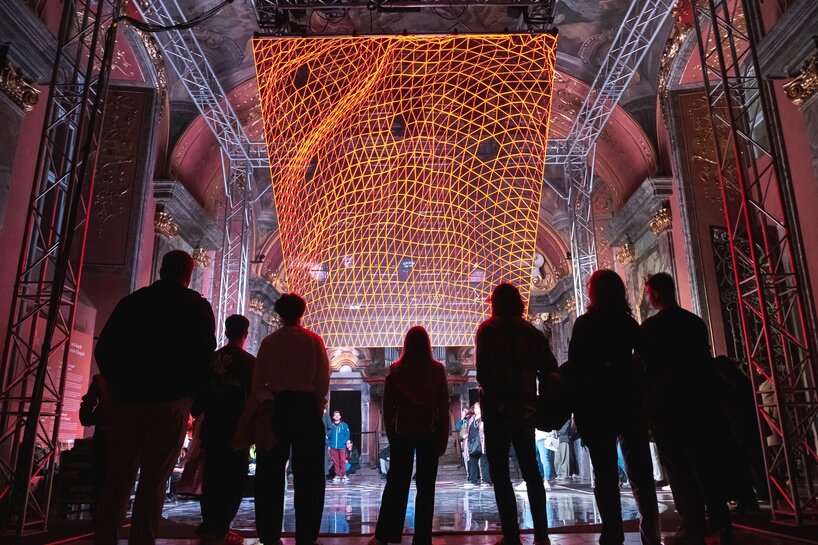
Speaking from the newly opened venue beneath the Old Town Market Hall, where industrial turquoise metal supports frame soaring historic ceilings, Pošta looked back on the journey that brought the festival to life. Before co-founding Signal, Pošta’s career was rooted in the film and television industry. He started out producing films and documentaries, attended film school in Prague, and eventually organized a local film festival. However, after stepping away from television, he found himself at a crossroads, pondering his next professional chapter while chatting with friends over drinks in a local bar.
The Projection-Mapping Project That Started It All
During that casual evening gathering in 2010, Pošta and his companions hatched a spontaneous idea: to transform a local church using projection mapping. At the time, the technology was still in its infancy, operating far outside the mainstream cultural consciousness. Pošta recalls grappling with the fundamental question of what video mapping actually was during those nascent days.
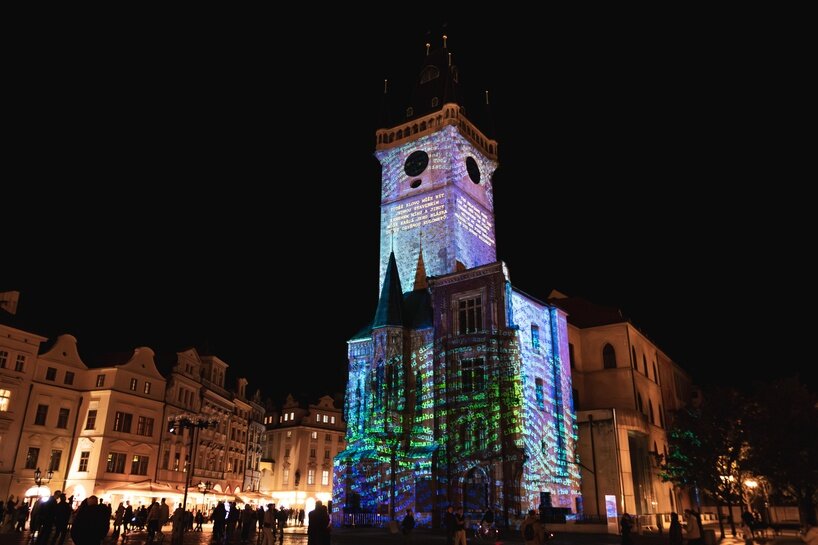
When the group brought the concept to the local municipal government, the deputy mayor at the time suggested a far more ambitious canvas: the Prague Astronomical Clock (Orloj), which was preparing to celebrate its historic 600th anniversary. Seizing the opportunity, Pošta immersed himself in the project, observing the public reaction as crowds gathered to witness the historic monument come alive with light and motion.
"I went to roam around and to check out what’s the vibe amongst the people," Pošta remembers. Among the spectators, he noticed an older gentleman looking up at the illuminated clock tower in absolute awe, turning to tell his wife that she simply "must come and see the installation." Witnessing that genuine sense of wonder left a profound mark on the producer. "And I literally got tears in my eyes," Pošta admits. "I was touched… it was the moment when I kind of knew that I found my next calling." That pivotal experience laid the groundwork for his ongoing championing of new media arts.
Bringing Light Art to Prague with Signal Festival
Buoyed by the success of the astronomical clock project, Pošta and his team at The Macula began creating and producing similar digital installations around the globe. As they traveled, they encountered a burgeoning international community of emerging talents working in the digital and light art sectors. This widespread creative energy sparked a new ambition: to create an event that would bring these dispersed artists together in a single, unifying location.
"I was lucky enough that the guy who was deputy mayor for culture was still there. He knew what we were doing, so it was easier to explain where we were heading towards," Pošta reflects on the early logistical phases of organizing what would become the Signal Festival. Securing institutional backing proved critical, though the early days relied just as much on passion and intuition as administrative precision. "And then I was lucky to get introduced to the Ministry of Regional Development. And I got the first funding for the festival… honestly, we hardly knew what we were doing, but that’s how it happened. We had the list of the artists that we really wanted. There was no curation back then—we were just like, OK, we love this guy, this guy, that guy."
Creating Art, Community, and Performance
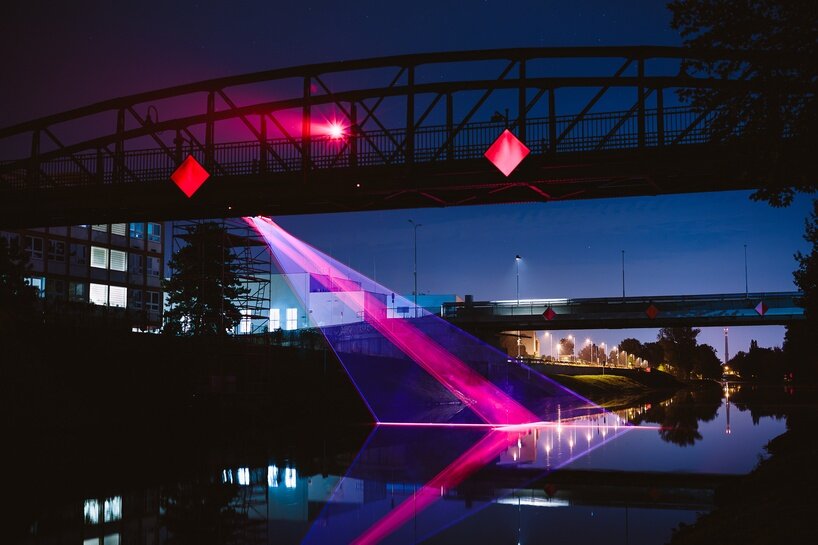
Organizing an annual festival of this magnitude requires a delicate balance of diverse disciplines. "It’s a huge matrix of the stuff that you have to combine," Pošta explains. The curatorial team not only invites established and emerging international artists to participate, but also commissions ambitious, site-specific works tailored directly to Prague’s unique urban topography.
While many of the installations are inherently ephemeral—such as large-scale video mapping projections that light up historic facades for four nights before disappearing—the introduction of the permanent Signal Space ensures that digital art maintains a lasting home in the city center. Over fourteen years, Pošta has cultivated a close-knit team of collaborators whom he affectionately describes as "like-minded lunatics," individuals willing to pull together and execute projects that might otherwise be deemed impossible. This collaborative network encompasses administrators, technical crews, coordinators, and the artists themselves, many of whom return for successive festival editions.
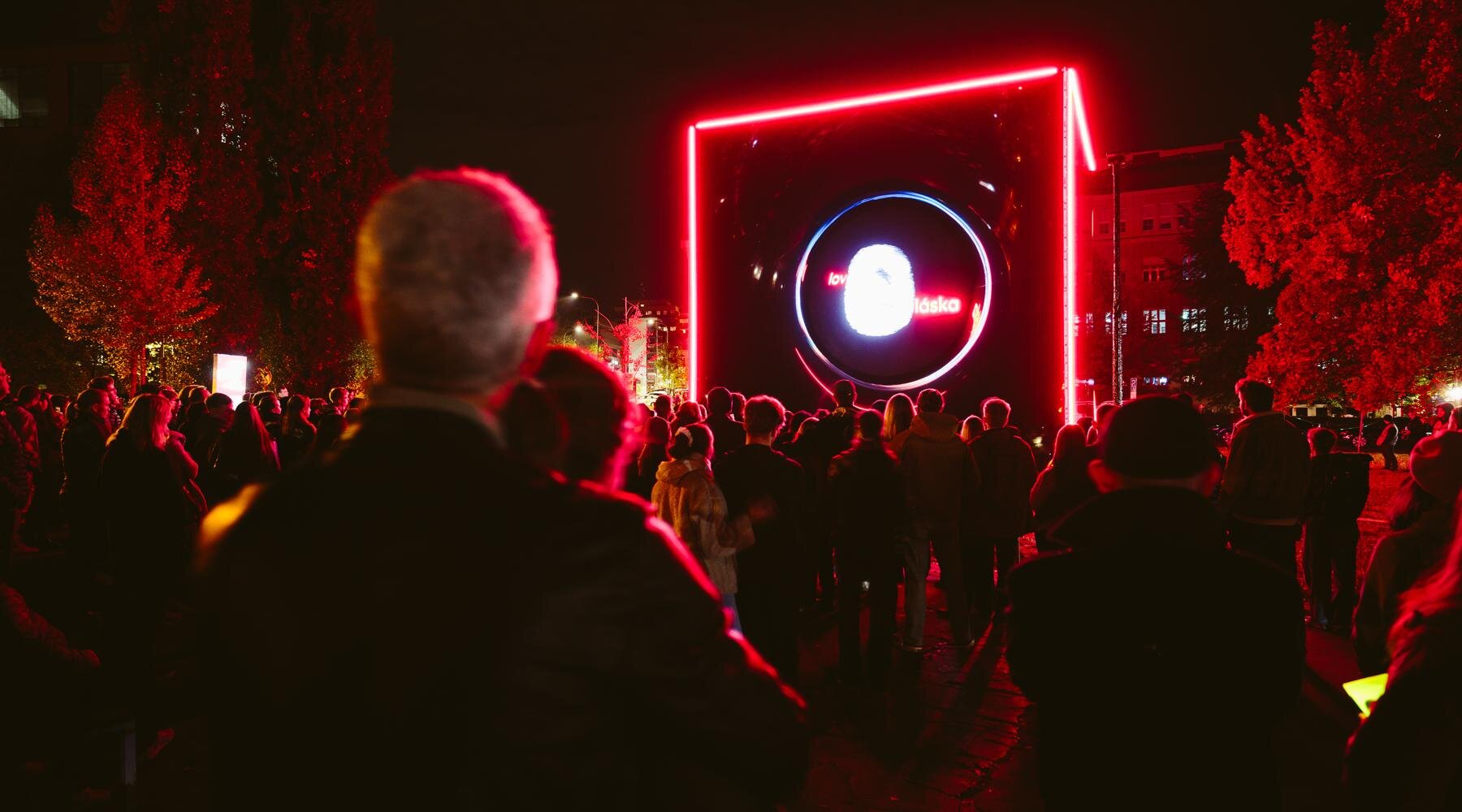
Laterna Magika at the 14th Signal Festival
The integration of live performance has become a cornerstone of the festival’s identity in recent years. Among the recurring creative forces is Laterna Magika, a legendary faction of the Czech National Theater renowned for its pioneering multimedia theater techniques.
"They play with the fact that you cannot see people dressed in black against a black stage. You can just see what is lit up, so they created the first illusions," Pošta explains, describing the troupe’s historical mastery of combining physical performance with projected light and video. Approximately six years ago, the festival organizers formally introduced a robust performative aspect to the program, seeking to push the boundaries between live dance, the human body, and digital visuals.
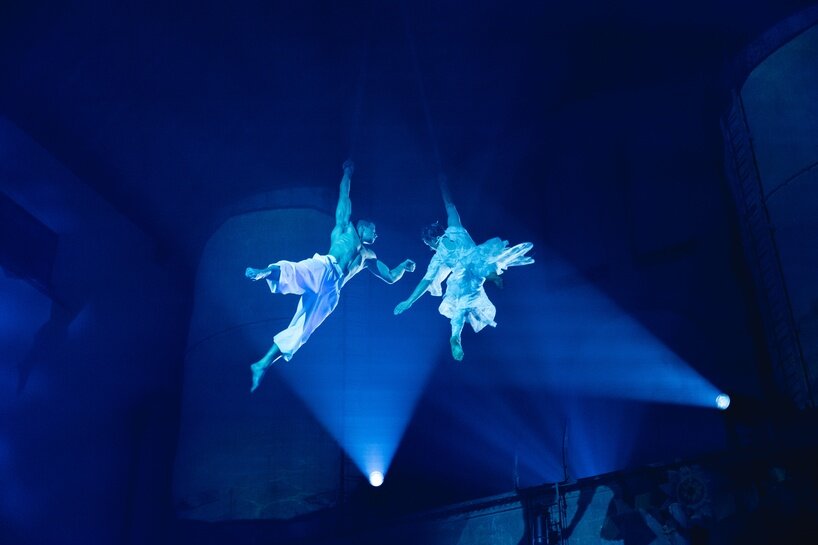
For the fourteenth edition of the festival, Laterna Magika presents a live, site-specific performance titled Voda at the historic Old Wastewater Treatment Plant in Bubeneč. Drawing inspiration from a poetic text by Czech author František Vinant, the production exemplifies the festival’s ongoing commitment to activating unusual architectural spaces through immersive storytelling.
As the fourteenth edition of the Signal Festival unfolds across Prague, featuring works by international and domestic creators such as Gábor Kitzinger, András László Nagy, Rozi Mákó, Aka Chang, Svitlana Reinish, Milan Cais, Karolína Schulzová, Timo Lejeune, Media.tribe, Playmodes, and Nohlab, the event continues to challenge perceptions of urban space. By bridging the gap between historical heritage and futuristic technology, the festival invites residents and visitors alike to step away from the mundane and experience the city through a lens of shared wonder.