



THE HAGUE — Investigators from the Netherlands Food and Consumer Product Safety Board (NVWA) have raided the residential homes and business properties of two livestock traders operating in the eastern province of Overijssel, following an intensive intelligence-led inquiry into widespread agricultural fraud, illegal animal transport, and severe animal welfare violations.
The coordinated enforcement actions, which took place on September 30, targeted two primary operators whose illicit network allegedly spanned unregistered cross-border cattle movements, unauthorized animal husbandry, and the systematic evasion of mandatory disease-tracking protocols. Details of the operation were publicly disclosed by the NVWA on Wednesday, shedding light on a sophisticated web of regulatory non-compliance designed to bypass the strict biosecurity measures governing the European Union’s agricultural sector.
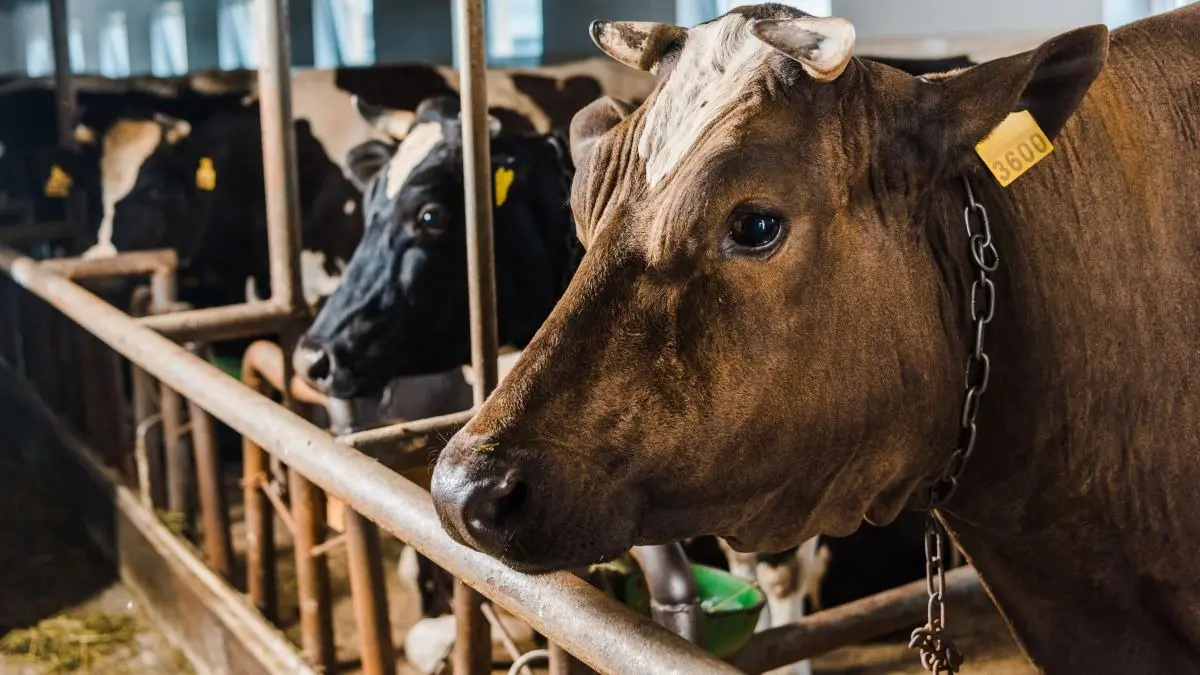
During the series of synchronized raids, NVWA inspection teams, backed by specialized investigative units and local law enforcement officers, seized a substantial quantity of physical and digital evidence. Among the items confiscated were critical business records, digital communication devices, used livestock ear tags, and specialized tools including a pair of pliers explicitly designed for the removal of unique identification markers from cattle.
The investigation centers heavily on the integrity of the national livestock identification and registration system, which forms the cornerstone of veterinary health management in the Netherlands. Under Dutch and European Union law, every bovine animal born or imported into the country must be officially registered and equipped with a tamper-evident ear tag bearing a unique identification number. This mandatory protocol ensures that individual animals can be tracked seamlessly across the supply chain, a vital capability for containing contagious livestock diseases such as foot-and-mouth disease, bovine spongiform encephalopathy (BSE), and bluetongue, as well as for tracing contaminated meat back to its exact point of origin should food safety crises emerge.
According to findings released by the NVWA, the two traders routinely flouted these foundational regulations. At the premises of the first livestock trader, inspectors discovered 88 animals that were either registered at an entirely different physical address or completely missing from official government databases. At the second trader’s location, a further 19 animals were found to be incorrectly registered. Furthermore, multiple cattle lacking the legally required ear tags altogether were identified across both operating sites, creating a profound blind spot in the region’s agricultural surveillance network.
The scale of the illicit operation became even clearer when authorities intercepted a commercial livestock lorry in the early hours of the morning shortly after it departed from one of the suspect’s properties. Working in collaboration with the police, investigators halted the transport vehicle and discovered 21 cattle on board. A subsequent cross-reference with national registries revealed that none of the animals were registered to the trader’s address.
Expanding their search to external locations, investigators located another 32 cattle belonging to the same trader housed on a separate farm elsewhere in Overijssel. These animals, inquiries showed, had been recently imported into the Netherlands from abroad but had intentionally never been registered within the Dutch national database, effectively laundering them into the domestic supply chain without official veterinary oversight.
Investigators also uncovered a deliberate effort to obscure the true nature and scale of the commercial operations. The business of one of the traders was found to be registered merely on paper at the physical address of the other, a tactic designed to keep the site out of the direct view of regulatory authorities. This clandestine hub was used to hold a mixed inventory of cattle originating from both domestic sources and international markets.
The NVWA emphasized that under strict national and European regulations, cattle may only be gathered for commercial sale or transit to slaughterhouses at officially approved collection centres. These authorized hubs are subject to rigorous legislative standards, including mandatory, documented cleaning and disinfection protocols for all livestock transport vehicles to prevent the geographical spread of infectious pathogens among vulnerable herds. By utilizing unofficial, hidden premises, the traders bypassed these crucial biosecurity safeguards, exposing the broader agricultural sector to heightened disease risks.
Beyond the financial and administrative fraud associated with unregistered livestock, the investigation uncovered deeply alarming conditions regarding animal welfare. Inside a secluded shed on one of the properties, inspectors discovered a herd of cows languishing in severely deteriorating physical health. Several of the animals were in such an advanced state of physical collapse that they could no longer support their own weight and stood or lay immobilized, while others exhibited signs of severe, untreated inflammation and acute distress.
Preliminary findings indicate that one of the traders is strongly suspected of having illegally transported several of these animals despite knowing they were clinically unfit and too sick to endure movement. Investigators believe that after failing to find a commercial buyer or a slaughterhouse willing to accept the compromised livestock, the trader attempted to conceal the animals by holding them indefinitely in substandard conditions rather than arranging for appropriate veterinary treatment or humane euthanasia.
Given the acute suffering of the cattle, an independent veterinarian was called to the scene and made the immediate determination to euthanize three cows on the spot to end their misery. To address the remaining herd, the NVWA has initiated formal administrative measures designed to compel the responsible parties to provide immediate, adequate veterinary care and proper sustenance, while continuous monitoring is established to ensure compliance.
Despite the gravity of the regulatory breaches and animal welfare violations, neither of the livestock traders has been placed under arrest at this stage of the proceedings. The ongoing criminal investigation is being directed and overseen by the Functioneel Parket, the specialized unit of the Public Prosecution Service responsible for prosecuting complex environmental crimes, financial fraud, and economic offences.
When questioned by national broadcaster NOS regarding how authorities initially uncovered the illicit trading network, NVWA officials declined to comment on the specific origins of the tip or the intelligence gathering methods utilized, citing the active and sensitive nature of the ongoing judicial inquiry. As the investigation continues, authorities are reviewing the seized documentation and digital records to determine the full timeline of the fraudulent operations and whether additional suspects or entities were complicit in the illegal transport and trade of the livestock.