






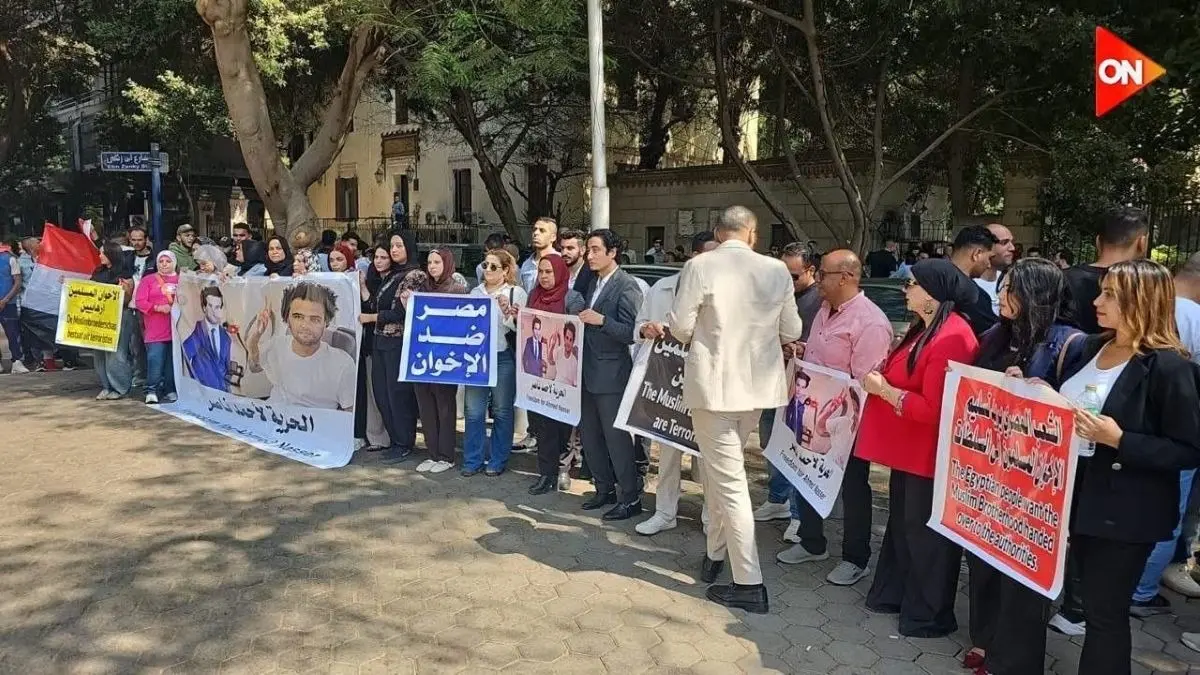
The Netherlands has taken the drastic step of closing its embassy in Cairo to the public until further notice. The closure, announced via social media by diplomatic officials, comes after nine consecutive days of escalating demonstrations outside the diplomatic compound. The situation on the ground deteriorated to the point where embassy staff had to be temporarily evacuated from the premises for their own safety, highlighting mounting diplomatic tensions between The Hague and Cairo.
At the heart of the ongoing protests is the detention of Ahmed Nasser, the deputy head of a prominent pro-government Egyptian youth organization. Nasser was arrested by Dutch authorities upon his arrival in the Netherlands on October 10. According to reports from Dutch public broadcaster NOS, Nasser was detained on suspicion of issuing threats against Anas Habib, a vocal Egyptian activist currently residing in Dutch territory. Following his initial arrest, a Dutch court extended Nasser’s pre-trial detention by an additional 14 days as prosecutors continue their investigation into the alleged threats. However, the precise nature of the threats and the specific actions attributed to Nasser remain unclear as the legal proceedings unfold.
The detention of the Egyptian youth leader has triggered a fierce backlash from supporters of the Egyptian government, who have mobilized in large numbers outside the Dutch diplomatic mission in Cairo. The demonstrations have persisted for over a week, creating an increasingly volatile environment that ultimately forced Dutch officials to suspend all public-facing consular and diplomatic services at the embassy.
The friction between the two nations and their diaspora communities has its roots in an escalating cycle of protests that began earlier this year. Anas Habib, the activist targeted in the alleged threats, drew intense international attention last summer during a dramatic solo demonstration. In an act captured on video and widely shared across social media platforms, Habib padlocked the heavy iron gates of the Egyptian embassy in The Hague. His protest was aimed directly at the Egyptian government’s controversial policy of keeping the Rafah border crossing with the Gaza Strip closed amid the ongoing humanitarian crisis.
Habib’s high-profile action struck a chord with activists across Europe and quickly snowballed into a broader international movement. Within weeks, similar demonstrations and symbolic blockades were replicated by activists at Egyptian embassies and consulates in more than 16 countries worldwide. The coordinated wave of protests deeply embarrassed Cairo and galvanized pro-government factions back home. In response to the wave of international criticism and embassy disruptions, loyal supporters of Egyptian President Abdel Fattah el-Sisi began organizing counter-demonstrations outside foreign diplomatic missions in Cairo, presenting their presence as a patriotic effort to "protect" Egyptian state symbols and overseas representations from hostile foreign interference.
The arrest of Ahmed Nasser in October poured fuel onto an already smoldering diplomatic fire. Recognizing the political sensitivity of the detention, the Egyptian government moved swiftly to intervene through diplomatic channels. Days after Nasser was taken into custody, Egyptian Foreign Minister Badr Abdelatty placed a direct telephone call to his Dutch counterpart to voice Cairo’s strong displeasure. During the conversation, Abdelatty formally demanded Nasser’s immediate release and pressed for significantly enhanced security measures to protect the Egyptian embassy and its personnel in The Hague from further activist disruptions.
The diplomatic exchange underscored the delicate balancing act facing Dutch authorities as they navigate domestic public safety, freedom of expression, and international relations. Dutch Foreign Minister Tom Berendsen took to social media following the ministerial phone call to outline the scope of their discussions. Berendsen stated that the two foreign ministers had addressed the pressing need for progress on ensuring the mutual security of their respective diplomatic missions and handling consular affairs smoothly amidst the rising tensions.
Despite these high-level diplomatic contacts, the situation on the ground in Cairo continued to worsen, culminating in the complete suspension of public services at the Dutch embassy. Officials in The Hague have not yet indicated when normal operations will resume, noting that the reopening of the Cairo mission will depend entirely on security assessments and the de-escalation of the protests targeting the building. Meanwhile, the legal case against Ahmed Nasser proceeds through the Dutch judicial system, keeping international attention fixed on the unfolding fallout from the initial protests in The Hague.