





Denim giant Levi Strauss & Co. is leaning heavily on its traditional wholesale partnerships and an unexpected windfall of tariff refunds to steady its financial footing following an unexpectedly challenging third quarter. While the iconic apparel brand faced a notable slump in its direct-to-consumer (DTC) channels and recorded its first net revenue miss in two years—according to data from Wells Fargo—executives stress that the underlying health of the brand remains robust.
During a recent earnings call with financial analysts, Chief Financial Officer Harmit Singh and Chief Executive Officer Michelle Gass detailed the multifaceted pressures that impacted the company’s Q3 performance. From shifting consumer style preferences in the United States to punishingly hot summer weather across Europe and stubbornly high domestic distribution costs, Levi’s encountered several headwinds. However, leadership highlighted that swift corrective measures, combined with capital injection from a major regulatory refund, have already begun to reverse negative trends as the company looks toward the crucial holiday shopping season.
Wholesale Outpaces DTC Amid Unexpected Headwinds
For years, Levi’s has aggressively pursued a direct-to-consumer strategy designed to build deeper connections with shoppers, control brand presentation, and capture higher retail margins by selling directly through its own branded stores and e-commerce platforms. In the third quarter, however, this strategy hit an unexpected speed bump. DTC sales came in noticeably weaker than anticipated, leading to the company’s first quarterly net revenue miss in 24 months.
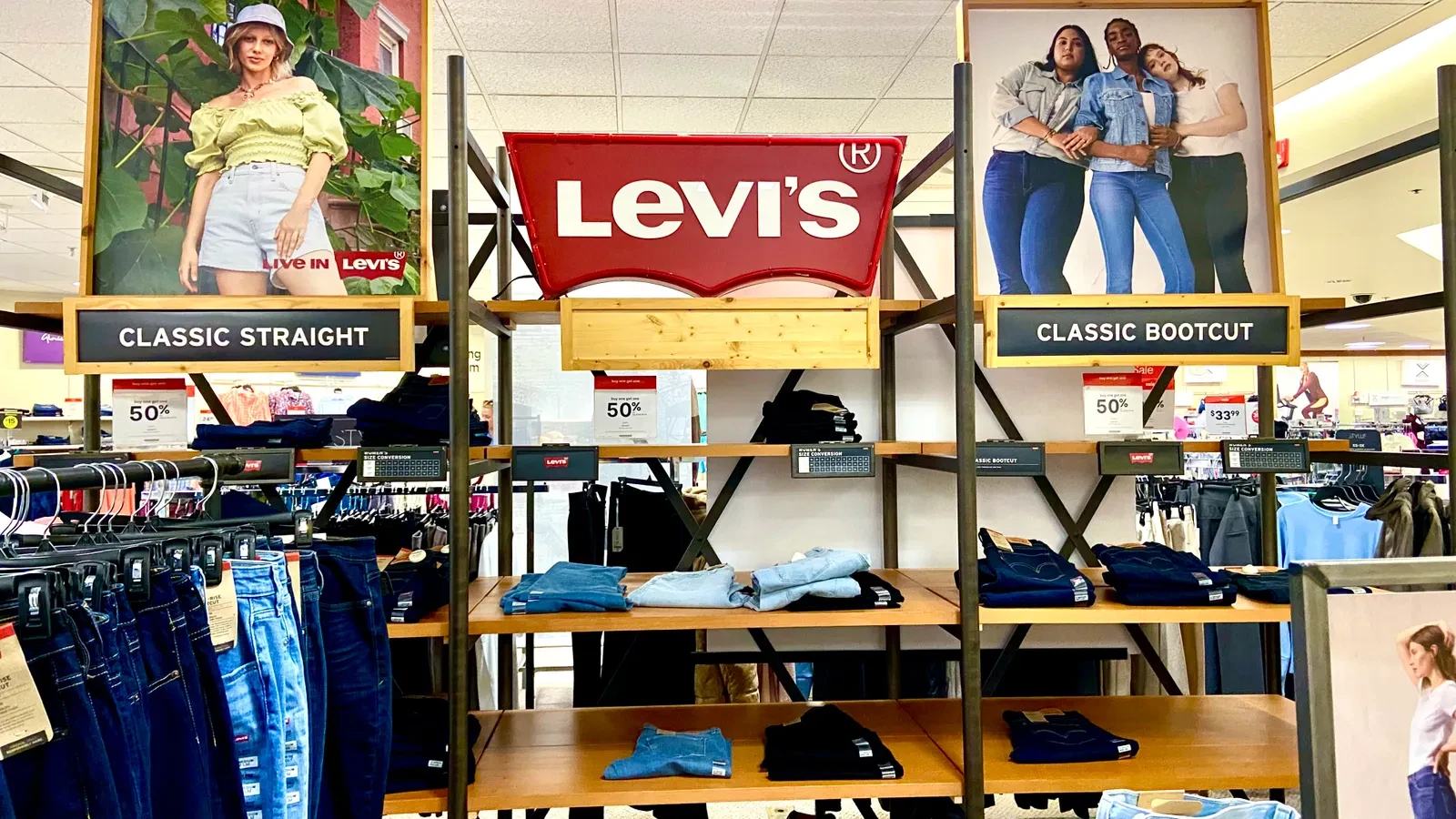
Interestingly, while the DTC segment struggled, the company’s wholesale business—spanning major department stores and retail partners—exhibited surprising resilience and strength in both the United States and Europe. Industry research has long noted that DTC margins often fail to consistently outperform wholesale margins over the long term. This discrepancy largely stems from the heavy marketing and operational expenses required to drive continuous traffic to proprietary channels. In contrast, wholesale partnerships allow retail allies to shoulder a significant portion of the heavy lifting when it comes to localized marketing, physical storefront management, and customer acquisition costs.
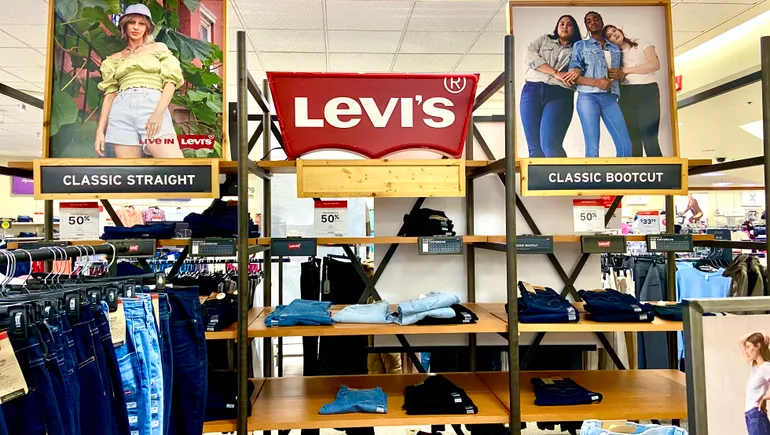
Compounding the challenges on the domestic front, U.S. distribution costs remained stubbornly higher than projected throughout the quarter, adding pressure to the bottom line and demonstrating that supply chain efficiencies have not yet normalized to pre-pandemic expectations.
A Timely Windfall and Aggressive Reinvestment
Amid these operational pressures, Levi’s received a substantial financial cushion in the form of approximately $80 million in tariff refunds collected during the third quarter. According to CFO Harmit Singh, this figure represents virtually all of the reimbursements the company anticipated receiving, providing a welcome and well-timed liquidity boost.
Rather than hoarding the capital or allowing it to simply pad quarterly earnings figures, Levi’s is actively plowing roughly three-quarters of the total refund back into core business operations. The strategic reinvestment is designed to fortify the brand against ongoing market volatility and position it for a competitive advantage during the year-end retail spike.
Singh outlined that approximately $25 million of the tariff refund was already deployed during the third quarter, while an additional $35 million is earmarked specifically for fourth-quarter expenditures. The funds are being channeled into three primary areas: incremental marketing campaigns designed to stimulate consumer demand, enhanced supply chain capabilities intended to drive long-term operational competitiveness, and sharper pricing value propositions for shoppers navigating key holiday promotional windows.
"Our view is, the tariff refunds were timely," Singh told analysts, emphasizing that the capital injection provided the exact flexibility needed to pivot marketing strategies without sacrificing profitability margins.

Shifting Denim Trends and Back-to-School Missteps
Beyond structural and distribution challenges, Levi’s also had to contend with shifting fashion tastes and seasonal disruptions that temporarily dampened sales velocity during the critical back-to-school shopping period. CEO Michelle Gass acknowledged that traffic and demand for the back-to-school season fell short of internal projections. Part of this shortfall stemmed from a miscalculation in product assortment; the brand leaned too heavily into loose-fitting denim styles at a time when a significant segment of American consumers was rapidly pivoting toward low-rise cuts.
Gass praised the agility of the internal design and merchandising teams, noting that they recognized the shift and adjusted course rapidly.
"The good news is the team got after it very quickly, and we sharpened our focus," Gass said during the call. At the same time, she was careful to clarify that loose-fitting styles have not fallen out of favor entirely. Instead, they continue to represent an essential component of the product portfolio and remain a major volume driver for the brand, ensuring that Levi’s is simply balancing its assortment rather than abandoning a popular silhouette.
European Recovery and Robust Wholesale Momentum
International markets presented their own distinct set of challenges and triumphs for the denim manufacturer, particularly in Europe. During the height of the quarter, a brutally hot European summer severely depressed traffic and consumer engagement across retail locations, taking a noticeable toll on the company’s regional DTC sales.
However, as weather patterns shifted and temperatures began to moderate toward the end of the season, consumer behavior rebounded sharply. Gass noted that the brand witnessed an immediate and positive return in foot traffic and buying trends as soon as cooler autumn weather arrived.

"In Europe right now, DTC quarter-to-date, the trends are very robust, very positive and robust. So you should feel good about that," Gass told analysts, offering an optimistic outlook for the region’s near-term performance.
Furthermore, Europe served as a shining example of the strength of Levi’s multi-channel distribution model. Alongside the recovering DTC numbers, the region boasted an incredible wholesale business that helped offset the weather-induced summer slump. Coupled with the successful rollout of localized marketing initiatives—partially funded by the recent tariff refunds—Levi’s enters the final stretch of the fiscal year with renewed momentum across its core international and domestic markets.