





Consumer expectations for future inflation rose for the second consecutive month in October, reaching their highest level since May, according to survey data released Friday by the University of Michigan.
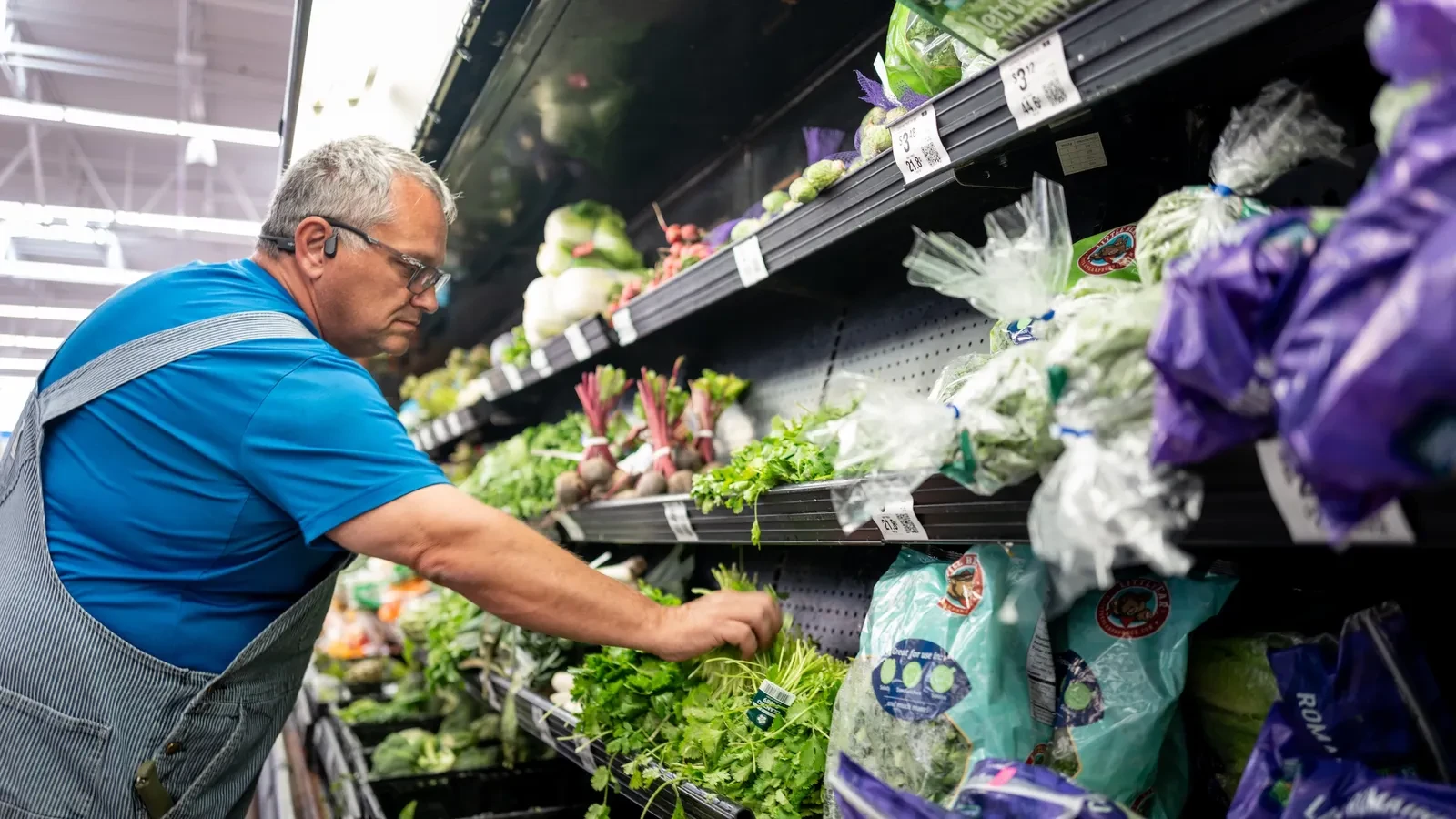
The steady upward tick in consumer sentiment reflects lingering anxiety over persistent price pressures across the American economy. These economic headwinds have been heavily driven by a combination of high U.S. tariffs—marking some of the steepest trade levies seen since the 1930s—and a war-induced surge in global fuel prices. Together, these forces have significantly diminished consumer perceptions of affordability while actively fueling widespread expectations that inflation will continue to accelerate in both the near and long term.
Short-Term and Long-Term Inflation Outlooks Climb
According to the University of Michigan’s closely watched monthly survey, consumer expectations for inflation 12 months from now ticked up to 4.7% in October, rising from 4.6% in September.
Joanne Hsu, director of the university’s surveys of consumers, emphasized the stark contrast between current readings and the economic landscape earlier in the year before geopolitical tensions escalated. In a statement accompanying the data, Hsu noted that the current reading "substantially exceeds the 3.4% seen in February before the Iran conflict began, along with all 2024 readings."
The upward pressure was not limited to short-term horizons. Long-run inflation expectations also increased by 0.1 percentage point this month, moving to 3.5% from 3.4% the previous month. This figure remains well above the 2.8% to 3.2% range recorded throughout the entirety of 2024, highlighting a broader shift in how households view long-term price stability.

"Inflation expectations over both time horizons increased for the second straight month to their highest readings since May," Hsu said.
Federal Reserve Officials Watch Sentiment Closely
Federal Reserve officials monitor consumer inflation expectations with intense scrutiny, operating under the economic theory that such psychological sentiments can quickly become self-fulfilling prophecies. When households and businesses genuinely expect prices to rise rapidly, they often alter their spending, wage demands, and pricing strategies in ways that actively drive inflation higher.
Data from other major economic barometers published last month, including surveys conducted by the Conference Board and the Federal Reserve Bank of New York, similarly demonstrated that American households increasingly expect heightened price pressures to persist.

Addressing these growing risks during a speech on Thursday, Federal Reserve Governor Christopher Waller shared his perspective on the shifting economic psychology. Speaking before an audience regarding the policy decisions of the Federal Open Market Committee (FOMC), Waller expressed direct apprehension about the trajectory of consumer and business behavior.
"I am concerned that the recent acceleration in inflation — after what soon will be five and a half years of it above the FOMC’s 2% target — will lead consumers, investors and price-setting businesses to revise up their expectations for future inflation," Waller said.
Economic Anxiety Meets the Political Landscape
Beyond immediate financial decisions, the steady drumbeat of rising inflation expectations and widespread anxiety over consumer affordability is poised to play a decisive role in the upcoming November 3 midterm elections. Recent polling data indicates that economic pressures have firmly anchored themselves at the forefront of the American electorate’s mind, transcending traditional partisan divides.
According to the findings of recent voter surveys, majorities of both registered Republicans and Democrats now rank the soaring cost of living as their absolute number-one concern.
Furthermore, a Reuters/Ipsos poll released Friday highlights the intense political fallout tied to these persistent financial burdens. The poll results reveal that 78% of Americans directly blame the policies of President Donald Trump for price gains that are severely outpacing their wages, illustrating a deep-seated public frustration with the current economic trajectory as voters prepare to head to the polls.