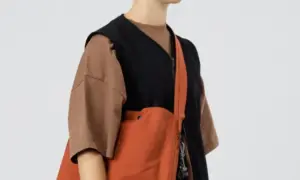






OpenAI is deepening its push into the e-commerce sector by introducing a new virtual try-on feature within ChatGPT, enabling users to see how clothing and accessories look on them before making a purchase.
Under the new functionality, shoppers can take a fresh photo or upload an existing selfie directly to the AI platform. The system then generates realistic images showing how various items fit and appear on the user. When users browse clothing and accessory product listings within ChatGPT, a dedicated "try-on" button will appear, streamlining the path from discovery to visualization.
This latest development marks another significant step by OpenAI to court both consumers and major retailers onto its platform, transforming ChatGPT from a conversational assistant into an active shopping destination. The integration reflects a broader industry trend where artificial intelligence is increasingly leveraged to bridge the gap between digital browsing and physical retail experiences.
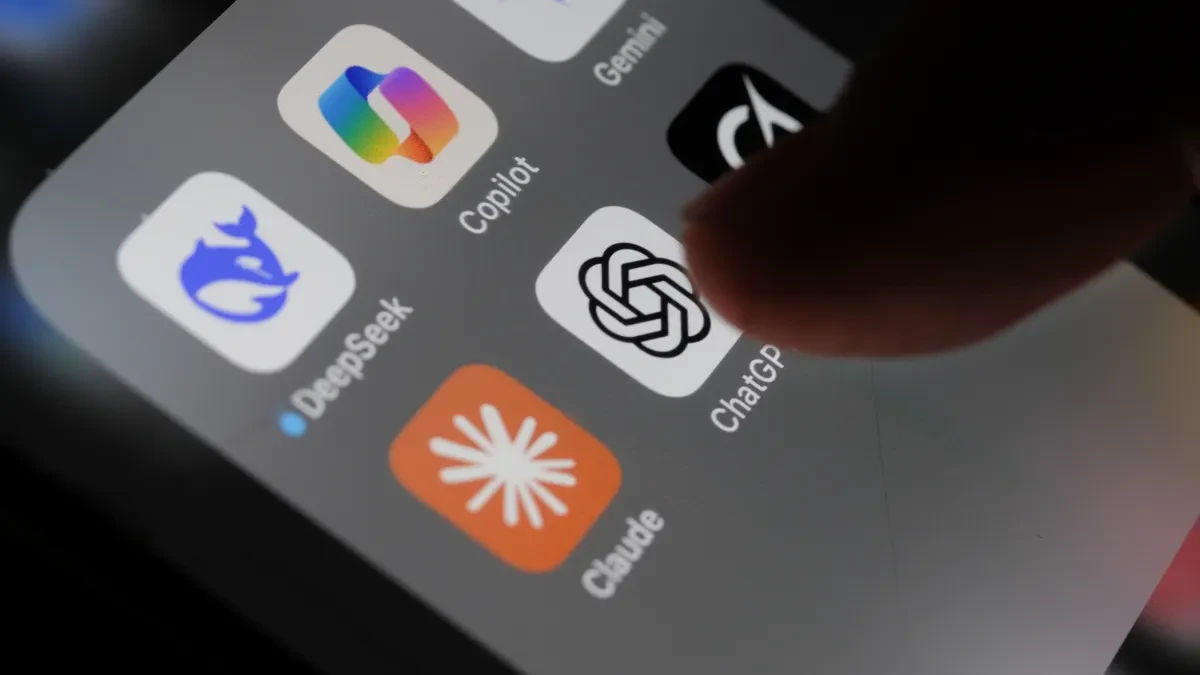
The introduction of the try-on tool follows a series of recent e-commerce partnerships and feature rollouts designed to embed retail capabilities deeper into conversational AI. In April, David’s Bridal established a presence on Shopify’s Agentic Storefronts for ChatGPT and Microsoft Copilot. That integration allowed shoppers to sift through the retailer’s extensive assortment by silhouette directly across both AI-powered platforms. Shortly after, in May, Etsy debuted its own dedicated application within ChatGPT, enabling conversational product searches tailored to the marketplace’s vast array of independent sellers.
These moves build upon foundational e-commerce capabilities introduced by OpenAI last year, including a specialized shopping research feature that recommends and compares products based on complex consumer search queries. By layering visual try-on technology onto these existing search and recommendation frameworks, OpenAI is aggressively closing the feature gap with competitors in the conversational and visual search landscape.
With this release, OpenAI is stepping into direct competition with Google, which has steadily expanded its own suite of product visualization tools over the past several years. Google debuted its generative artificial intelligence virtual try-on tool in 2023, initially allowing consumers to virtually try on women’s tops across various body types and sizes. The following year, Google extended the technology to dresses through partnerships with brands like Simkhai, and last year the company further expanded the virtual try-on capability to include footwear.
The race among tech giants to integrate virtual fitting room technology is underpinned by compelling consumer demand and measurable business results. Prior to OpenAI and Google rolling out advanced product visualization features within their respective ecosystems, market research strongly indicated that retailers were actively seeking out these immersive tools to drive digital sales and reduce costly return rates.

Brands that have successfully implemented virtual try-on technology have witnessed dramatic improvements in their core performance metrics. According to a 2024 survey conducted by Perfect Corp., retailers utilizing virtual try-on solutions saw their sales conversion rates more than double. Furthermore, consumer sentiment heavily favors these interactive features, with more than a third—specifically 38.4%—of survey respondents identifying virtual fitting rooms and try-on tools as the ideal method for recreating the tactile, confident experience of physical shopping within the digital realm.
As OpenAI continues to refine and expand its retail ecosystem, the addition of selfie-based image generation provides brands with a powerful new channel to engage intent-driven shoppers. By allowing users to visualize products on their own likeness without ever leaving the conversational interface, the platform is positioning itself as a central hub for modern digital commerce.