






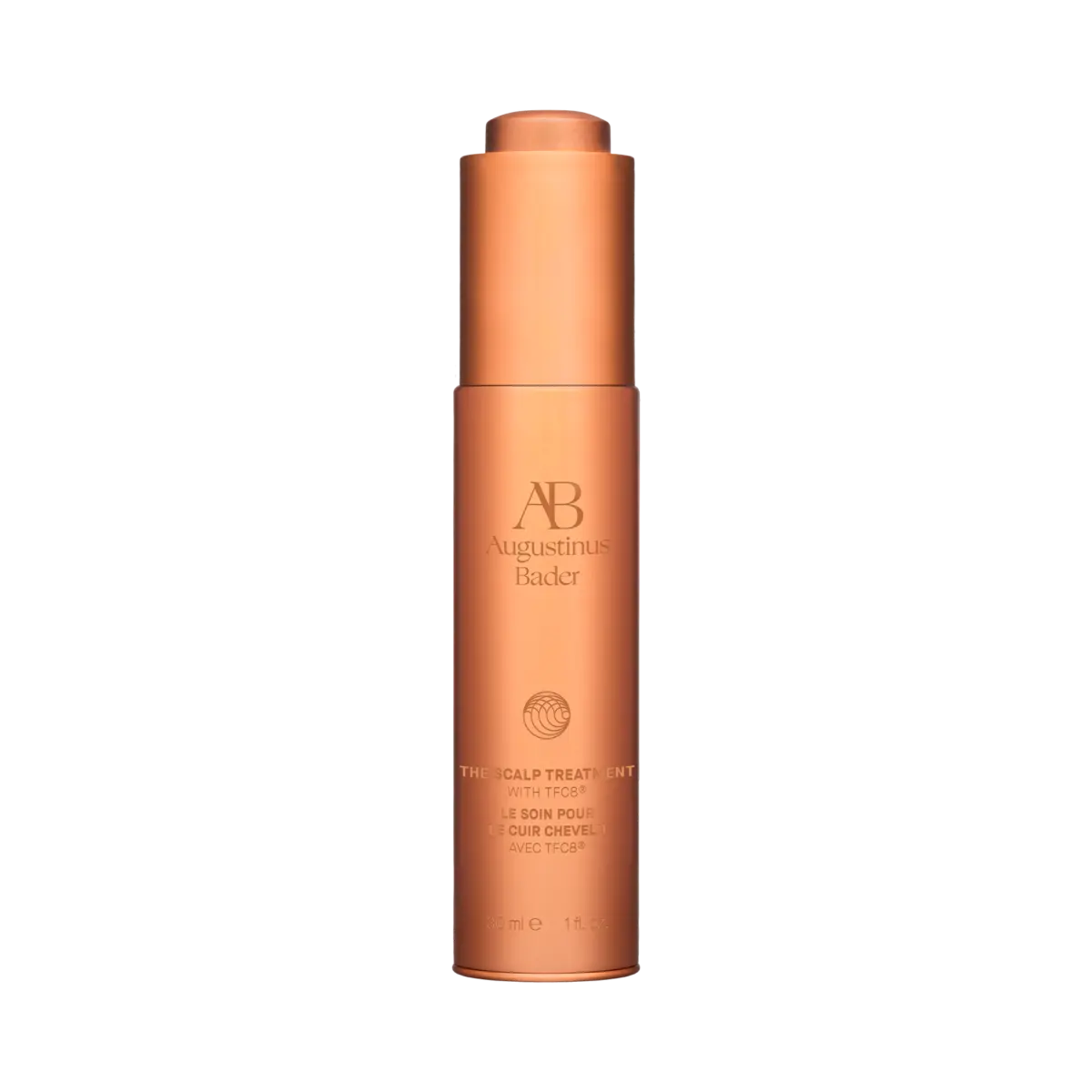
For an estimated eight million women across the United Kingdom experiencing some form of hair loss, navigating the ever-expanding marketplace of hair-growth treatments can feel overwhelming. From scalp serums and peptide-infused formulas to advanced LED light-therapy devices and oral supplements promising thicker, fuller strands, the market is saturated with options. Knowing which products are genuinely worth the financial investment remains a persistent challenge for consumers searching for real results.
While the popularity of specialized hair-growth products has surged dramatically in recent years, leading trichologists agree that a single ingredient remains the most heavily researched and evidence-backed option available: minoxidil.
However, questions surrounding its application and efficacy are common. How exactly does minoxidil work, and is it suitable for every individual experiencing hair thinning? Can it successfully mitigate the shedding associated with hormonal shifts, high levels of stress, or rapid weight loss? Furthermore, what physiological consequences occur when a user decides to stop treatment?

To separate medical fact from common fiction, industry experts have shed light on the mechanics of minoxidil, its long-term safety profile, and the crucial factors individuals must consider before incorporating it into their daily haircare routines. Among these experts are Eva Proudman, resident trichologist for Absolute Collagen, and Tiffany Hall, an established trichologist and the founder of Trichology.
What Is Minoxidil?
To understand why minoxidil is frequently recommended by hair specialists, it helps to examine its origins and pharmacological classification. According to Eva Proudman, minoxidil belongs to a specialized class of medications known as vasodilators. This means its primary physiological function is to widen blood vessels, which subsequently increases local blood circulation.
The history of the compound dates back to the 1950s, when it was originally administered orally to treat high blood pressure. During its initial medical applications, researchers observed that the medication was somewhat unstable in oral form, but more importantly, clinical observers noticed an unexpected side effect: patients undergoing treatment began to experience a noticeable improvement in hair growth. This accidental discovery paved the way for the development of the topical minoxidil solutions and lotions widely recognized and utilized today.

Today, minoxidil stands as one of the most thoroughly researched treatments for hair loss globally. Numerous clinical studies have continuously demonstrated its efficacy in promoting hair growth and enhancing overall hair density. In the United Kingdom, topical formulations of minoxidil can be purchased directly from pharmacies without requiring a medical prescription, though oral variants still necessitate formal medical oversight and a prescription. Additionally, specialized telehealth services offer access to these treatments for consumers seeking personalized care.
Why Is Minoxidil Good for Hair Growth?
The primary mechanism of minoxidil centers on its capability as a vasodilator. By widening the blood vessels within the scalp, the treatment facilitates an increased delivery of essential blood, oxygen, and vital nutrients directly to the hair follicles—the microscopic dermal structures responsible for generating individual strands of hair.
Beyond simply improving localized circulation, Tiffany Hall explains that minoxidil assists the hair growth cycle through two additional mechanisms. First, it actively lengthens the growth phase of the hair cycle. Every human hair naturally progresses through a predictable cycle consisting of a growth phase, a resting phase, and a shedding phase. Minoxidil aids in keeping individual hairs within the active growth stage for a longer duration, reducing premature shedding.
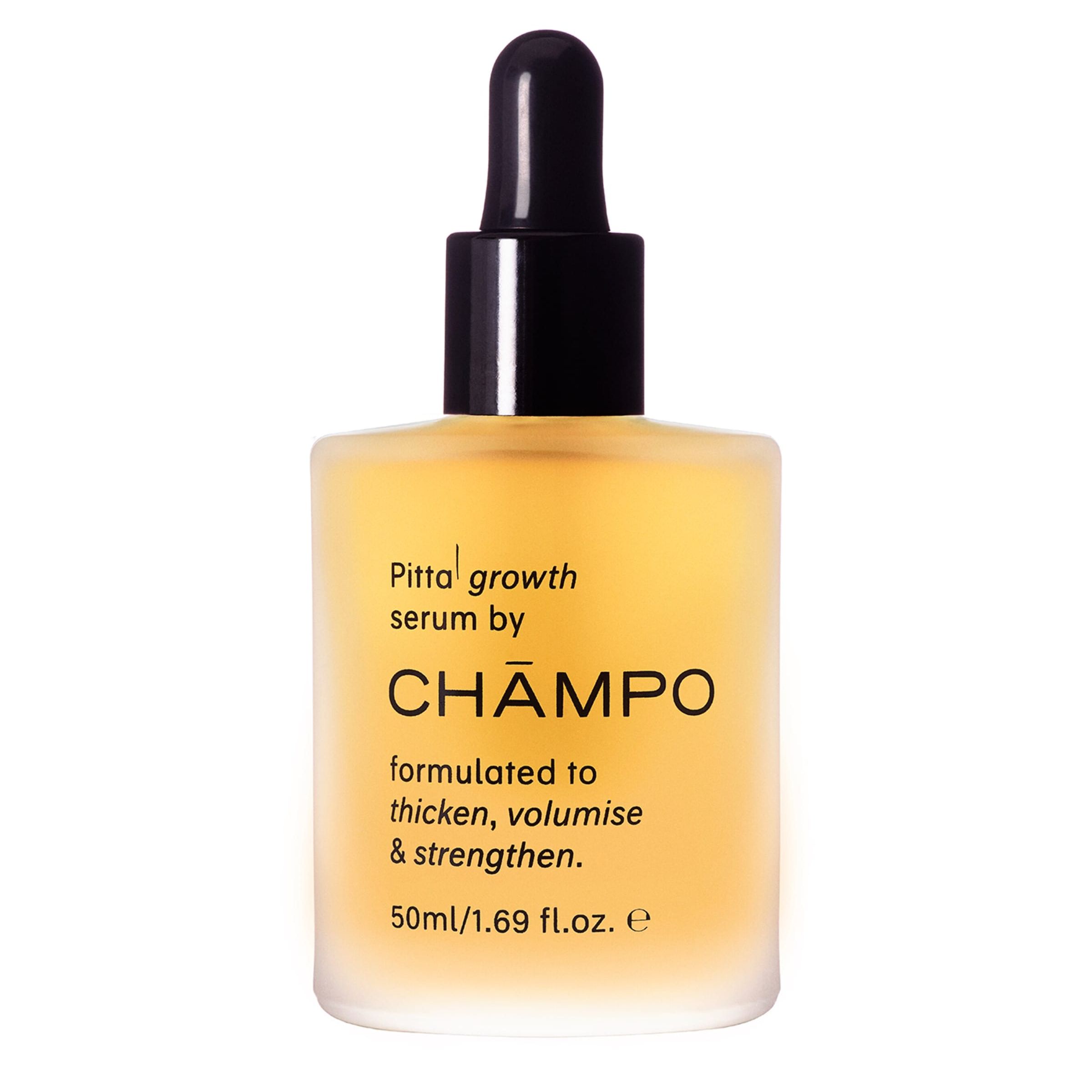
Second, minoxidil works effectively to thicken fine hairs. In cases of pattern hair loss, follicles often undergo a gradual miniaturization process, shrinking over time and producing progressively thinner, weaker strands. Minoxidil counters this degradation by encouraging these compromised follicles to produce thicker, stronger hair once again. Hall notes that the treatment yields optimal results specifically for androgenetic alopecia, which is the official medical terminology for both male and female pattern hair loss.
What Are the Drawbacks of Minoxidil for Hair Growth?
Despite its proven clinical efficacy, minoxidil does not deliver identical results for every individual. Hall points out that for the medication to actively work on the hair follicles, it must first be metabolically activated by a specific enzyme—a natural biochemical substance within the human body that triggers the necessary chemical transformation. Because individual human biology varies, some people naturally possess higher concentrations of this enzyme in their scalps compared to others, which explains why certain users experience remarkable transformations while others observe minimal change.
To eliminate the guesswork and prevent consumers from wasting money on ineffective regimens, Hall recommends undergoing a TrichoTest. This is a straightforward genetic test, typically administered via a quick, painless mouth swab. The diagnostic test analyzes specific genetic markers linked to hair loss predisposition and evaluates how an individual’s unique biological makeup is likely to respond to various treatments, including minoxidil. The resulting data enables a qualified trichologist to recommend the precise formulation, concentration, and type best suited to the patient’s physiology, bypassing the frustrating cycle of trial and error.
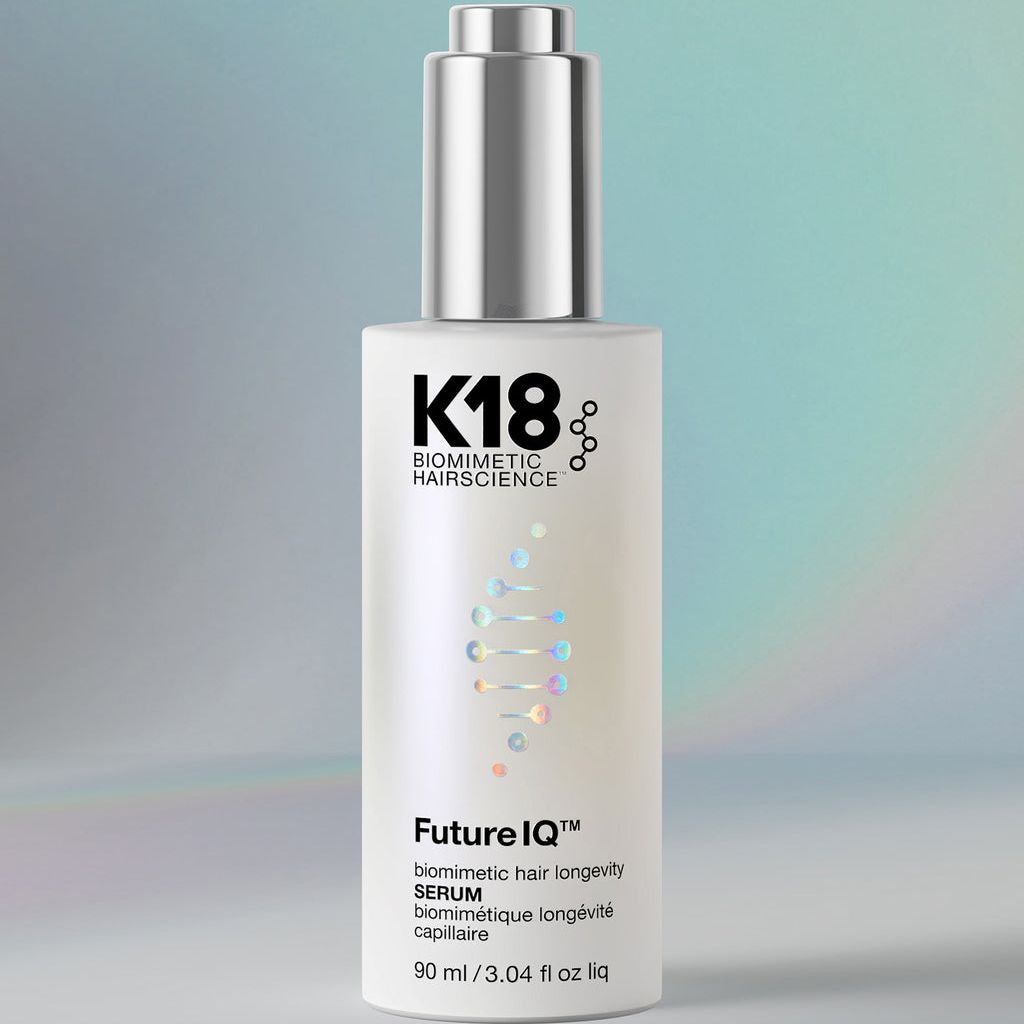
Regarding potential side effects, Proudman notes that topical minoxidil is generally well-tolerated by the vast majority of users. However, a subset of individuals may experience localized scalp irritation, dryness, or itching. Proudman emphasizes that these minor dermatological reactions can typically be managed effectively through the use of gentle, nourishing shampoos and conditioners, alongside adjustments to how frequently the hair is washed.
The profile of topical minoxidil experienced a notable cultural moment when an unexpected side effect went viral on the video-sharing platform TikTok. In a widely circulated video viewed over a million times, a content creator named Maria highlighted an unforeseen issue, expressing surprise at developing facial hair despite applying the treatment exclusively to her scalp.
Addressing this phenomenon, Proudman clarifies that such occurrences are statistically uncommon in clinical practice. Out of hundreds of patients evaluated monthly, instances of unwanted facial hair growth or an initial, temporary increase in hair shedding are observed by specialists, but these occurrences remain minimal. Furthermore, Proudman clarifies that oral minoxidil carries a broader spectrum of systemic side effects and can only be safely tolerated at low dosages, which reinforces her professional preference for working primarily with topical applications.
How to Apply Minoxidil
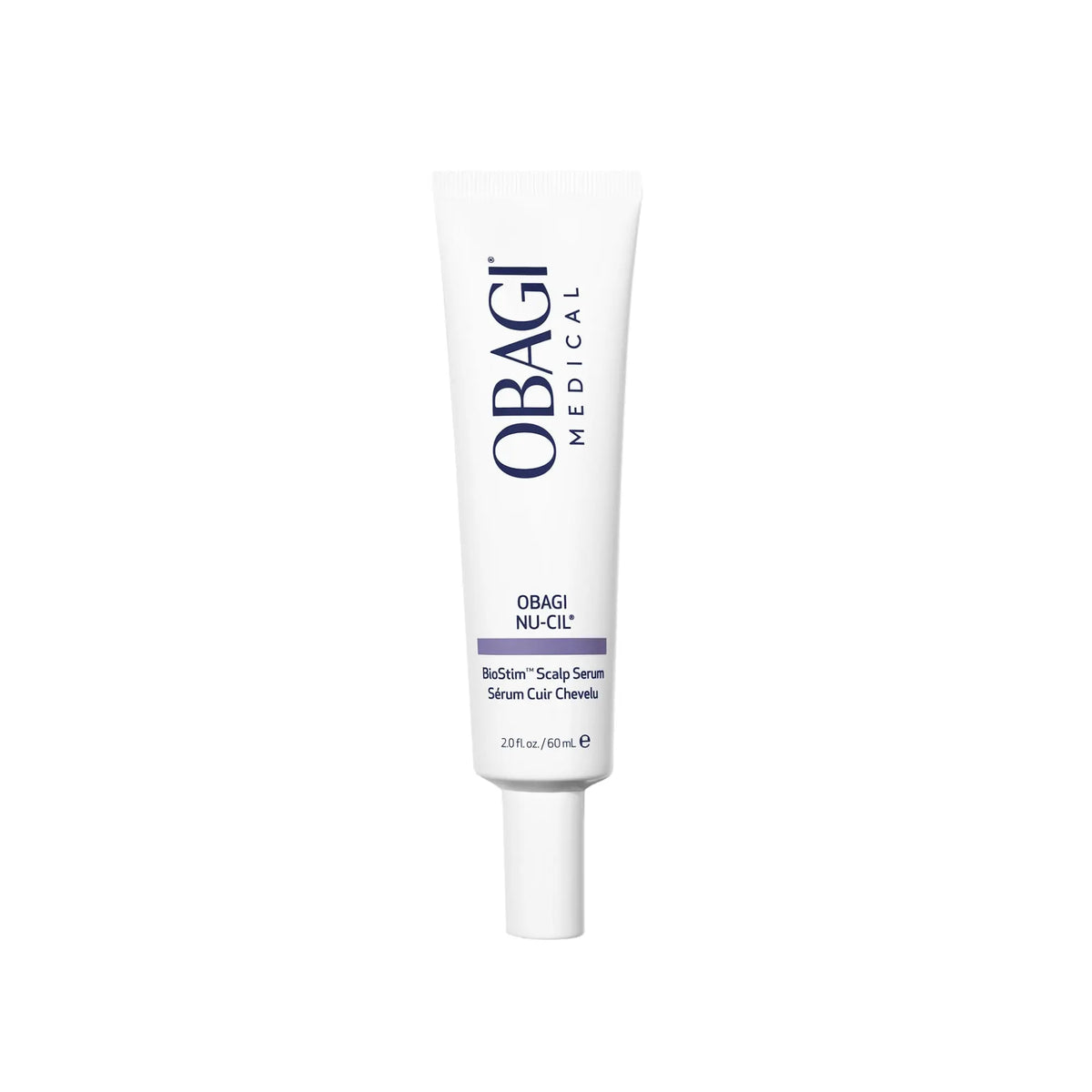
For those who choose to incorporate topical minoxidil into their wellness routines, proper application technique is crucial for maximizing the treatment’s benefits. Proudman advises adherence to a specific methodology when administering the product to the scalp.
The application process begins by parting the hair directly down the center. The minoxidil is then applied along this central parting, massaging the product gently from the crown forward toward the hairline. Next, the user should measure a gap equivalent to two fingers on either side of the center parting, creating parallel left and right side partings. The treatment is then applied along these lateral partings, massaging the formula into the temple regions and the hairline on both sides of the head.
Many users prefer utilizing a metered spray mechanism, which facilitates rapid and precise application while avoiding unnecessary coating of the hair strands themselves. Commercial formulations are available in a variety of textures, ranging from lightweight foams to traditional liquids, each accompanied by its own specific application guidelines.
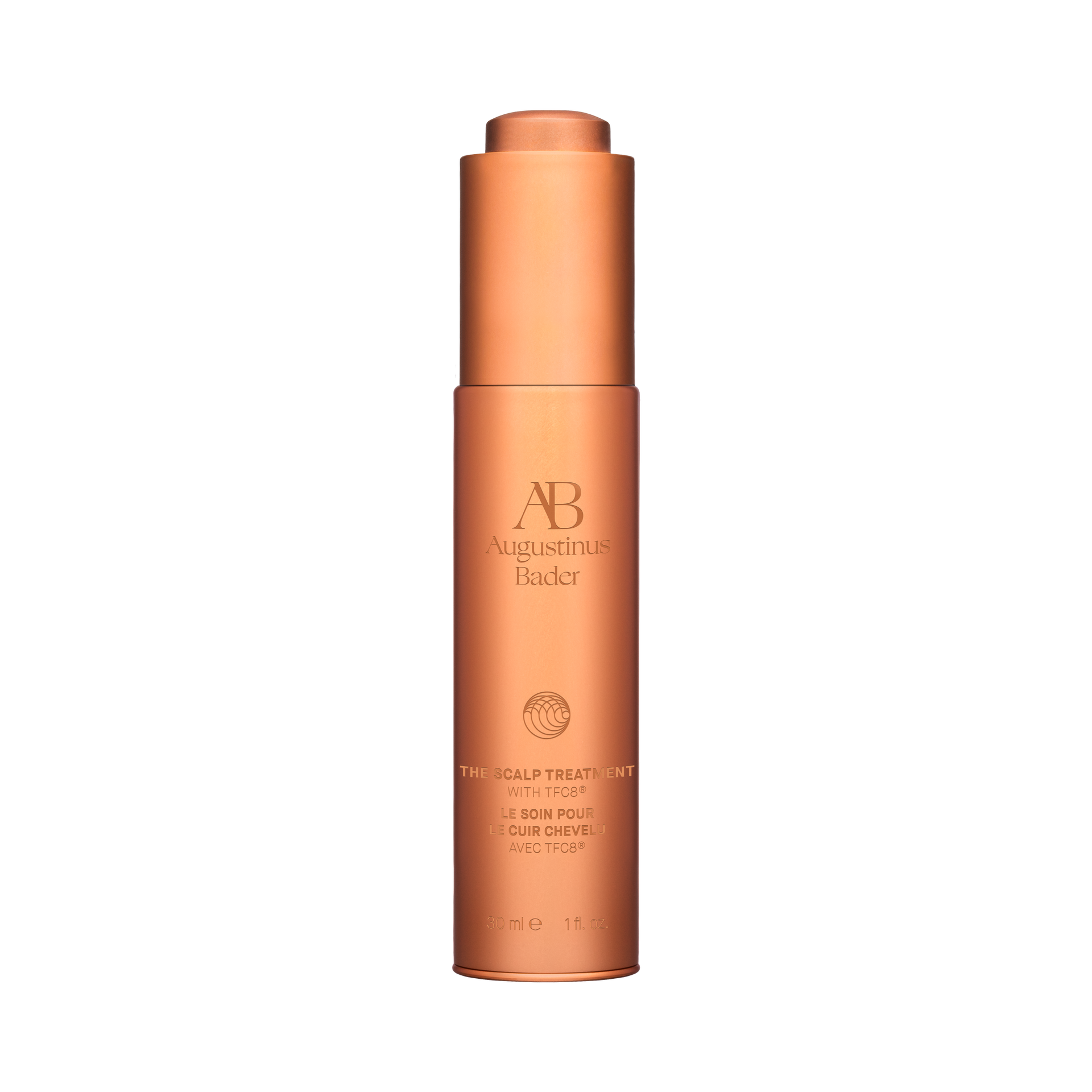
For individuals hesitant to commit to a minoxidil regimen immediately, the broader beauty market offers a diverse array of alternative hair-growth products and scalp serums designed to support overall hair health and density. Formulations containing caffeine, peptides, red clover extract, and specialized botanical complexes have gained traction among beauty editors and consumers alike. These alternatives frequently focus on nurturing the scalp barrier, reducing oxidative stress, supporting melanin production, and creating an optimal physiological environment for natural hair retention.
At Who What Wear UK, editorial evaluations emphasize that beauty solutions are rarely universal. Product recommendations are rooted in tangible performance, ingredient transparency, and rigorous expert consultation to ensure that guidance remains reliable, inclusive, and practical for readers navigating personal beauty decisions.