






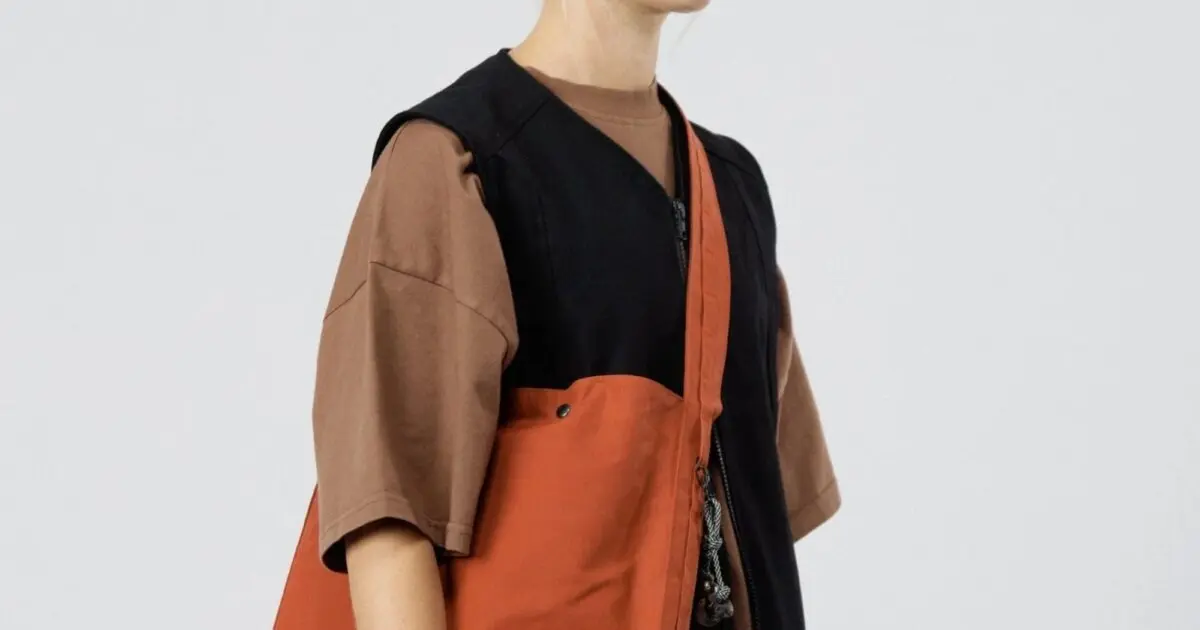
As consumers increasingly scrutinize the environmental and social footprints of their everyday purchases, the humble tote bag has found itself under the microscope. Long considered the ultimate symbol of effortless, eco-friendly living—frequently handed out at conferences, purchased at farmers’ markets, or picked up at local coffee shops—the reality of the ubiquitous tote is far more complex than many realize. While these versatile carriers are indispensable for everything from grocery runs and beach days to hauling yoga mats and laptops, not all tote bags are created equal. Many are produced by businesses that fail to meet rigorous sustainability standards, prompting a major shift in how conscious shoppers approach this wardrobe staple.
To address this growing demand for transparency and responsible manufacturing, sustainability advocates and editorial teams are continuously vetting the market to highlight top-rated brands that prioritize people, the planet, and animal welfare. A newly updated curation of sustainable tote bags showcases a diverse array of options, featuring vegan alternatives from brands like Sans Beast and Mashu, budget-friendly choices from Up-Fuse and Terra Thread, and innovative upcycled picks from Elvis & Kresse and E.L.V. Denim. These selections aim to prove that consumers do not have to compromise on style, functionality, or ethics when selecting an everyday carryall.
What Makes a More Sustainable Tote Bag?
Understanding what elevates a tote bag from a standard piece of promotional merchandise to a genuinely sustainable accessory requires a closer look at materials, manufacturing processes, and product longevity. Traditional canvas totes are typically crafted from cotton, but conventional cotton farming is notoriously resource-intensive, relying heavily on chemical pesticides and vast amounts of water. Opting for organic cotton significantly reduces this environmental burden. Similarly, many heavy-duty or structured tote bags are made from polyester, a synthetic material derived from fossil fuels. The extraction and processing of oil for synthetic textiles contribute heavily to greenhouse gas emissions. For shoppers who prefer the durability of polyester, selecting recycled polyester is widely recommended as a lower-impact alternative that gives existing plastics a second life.
Animal-derived materials present another critical consideration for ethical consumers. High-end and luxury tote bags have traditionally relied on leather, an industry associated with deforestation, massive water consumption, and toxic tanning processes. Experts advise either seeking out certified leather options that adhere to strict environmental and social standards or exploring the rapidly expanding market of innovative vegan alternatives.
Beyond materials, true sustainability is deeply intertwined with product longevity. A bag can be made from the most eco-friendly fibers on earth, but if it falls apart after a few months of use and ends up in a landfill, its environmental value is lost. Sustainability assessments heavily factor in quality manufacturing, reinforced stitching, securely attached handles, robust seams, and dependable fastenings. These design elements ensure that a tote bag can stand up to the rigors of frequent, heavy use, ultimately reducing the need for constant replacements and fostering a more circular economy.
Highlighting Ethical Pioneers in the Accessories Space
A closer examination of the brands leading the charge in sustainable accessories reveals innovative approaches to design, social enterprise, and circular production. Among the standout names featured in the updated curation is Up-Fuse, a Cairo-based social enterprise dedicated to promoting an eco-conscious lifestyle through creative reuse. Operating under the guiding philosophy that one person’s trash is another’s fabric, the brand collaborates closely with marginalized communities, working alongside Syrian, Ethiopian, and Sudanese female refugees in Egypt to craft its distinctive line of products. By combining community empowerment with waste reduction, Up-Fuse demonstrates how accessory manufacturing can serve as a vehicle for positive social impact.
Another prominent player in the sustainable accessories landscape is Ucon Acrobatics, a brand that resonates deeply with creative consumers seeking innovative, functional, and minimalistic design. The company places a strong emphasis on utilizing a high proportion of eco-friendly materials, most notably organic cotton. In addition to its material choices, Ucon Acrobatics integrates renewable energy directly into its operational facilities to minimize its overall climate footprint. Furthermore, the brand maintains a commitment to fair labor practices, ensuring the payment of a living wage at the final stage of production where garments and accessories are assembled.
For shoppers looking specifically for luxury vegan options, Svala has carved out a distinct niche by crafting premium handbags, purses, and totes without the use of animal products. Each piece is responsibly handcrafted in Los Angeles, utilizing high-quality vegan leather alongside alternative materials such as cork and Piñatex, a natural textile made from pineapple leaf fibers. This commitment to cruelty-free luxury proves that high-end fashion and ethical responsibility can seamlessly coexist.
Similarly, Lefrik tackles the pressing issue of plastic waste by giving synthetic materials a second life. The brand specializes in backpacks and accessories that masterfully blend functionality, modern design, and smarter production practices, transforming discarded plastic bottles into durable, everyday gear.
British vegan accessories label Mashu has also earned widespread recognition for its commitment to sustainability, holding a solid "Good" environmental rating. Mashu specializes in handbags that feature exteriors crafted from innovative vegan leather alternatives, while their interiors are lined with vegan suede made entirely from recycled polyester. This meticulous attention to detail ensures that style-conscious consumers never have to compromise their personal morals for the sake of fashion.
The ongoing evolution of the accessories market underscores a broader cultural shift toward mindful consumption. As editorial teams continue to refine their directories and evaluation systems, assessing brands based on their impact on people, the planet, and animals, consumers are equipped with the resources needed to make informed choices. Whether prioritizing recycled synthetics, organic natural fibers, upcycled materials, or transparent supply chains, the modern sustainable tote bag represents a practical step toward a more responsible fashion future.