





Denim is more than just a staple of modern wardrobes; it is an enduring cultural icon defined by its durability, comfort, and timeless appeal. When crafted from the natural, sustainable properties of authentic cotton fibers, denim possesses a hidden advantage that extends far beyond its initial lifespan: it can be completely recycled. For a growing movement of conscious creators, artists, and outdoor enthusiasts, this circular potential is not merely an environmental buzzword—it is a guiding ethos. These individuals firmly believe that small, intentional choices can compound into a meaningful, lasting impact on the health of our planet.
At the heart of this sustainable movement is Cotton’s Blue Jeans Go Green™ program, a well-established initiative designed to intercept authentic denim pieces before they end up discarded in local landfills. Instead of letting worn-out jeans, jackets, and workwear go to waste, the program repurposes the natural cotton fibers into a wide variety of innovative products. Transformed denim can find a second life as high-performance insulation material for building and construction projects, cozy inserts for pet beds, or thermal packaging used in sustainable food and pharmaceutical distribution.
The scale of the problem makes initiatives like this increasingly urgent. According to environmental data, roughly 17 million tons of textile waste are discarded in the United States each year, placing an immense burden on natural resources and energy grids. For nearly two decades, Cotton’s Blue Jeans Go Green™ program has worked to counter this trend by conserving resources, reducing landfill overcrowding, and promoting a circular economy. Participating in the program is remarkably straightforward: individuals can simply drop off their well-loved denim items at participating retail partners or utilize the program’s dedicated mail-in service.
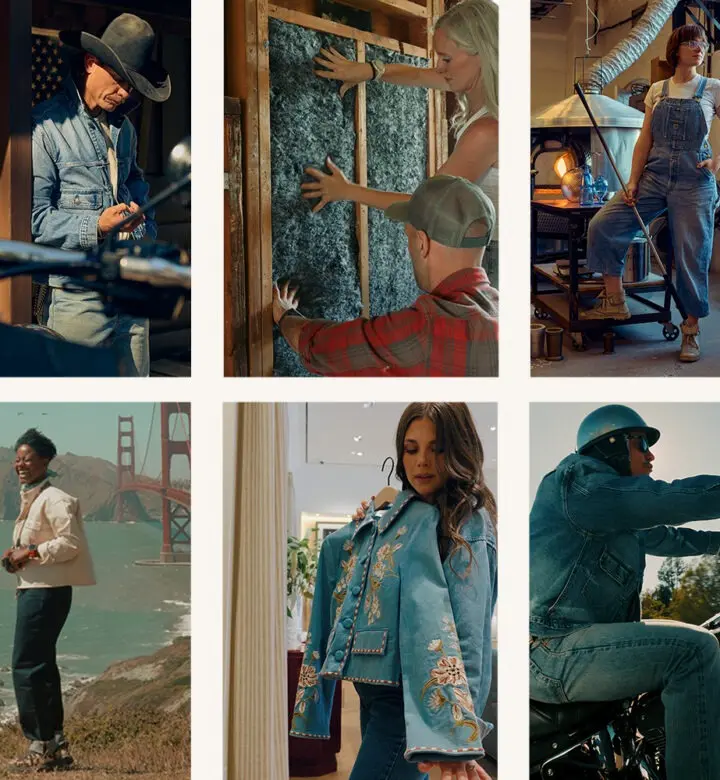
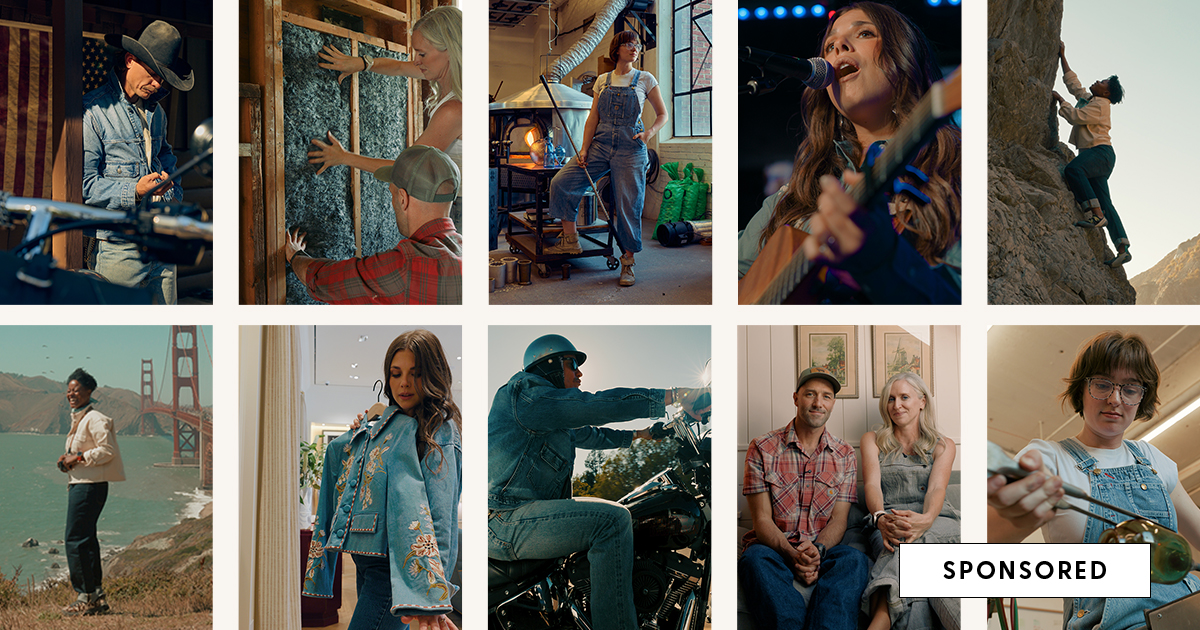
To highlight the lifecycle of sustainable denim and showcase how everyday choices intersect with creativity, five distinct cultural figures have shared their personal approaches to recycling their beloved wardrobe staples.
1. Ben Christensen
Operating out of Arizona, photographer and creative director Ben Christensen often describes his daily life and work through the lens of a classic Western. His creative process demands gear that is rugged, reliable, and built to withstand the elements. Because of this demanding environment, Christensen is unapologetically hard on his clothing, particularly his denim.
"That’s why I’m hard on my denim," Christensen notes, reflecting on the wear and tear that comes with his profession. When a favorite pair of jeans or a jacket finally reaches the end of its active lifecycle, Christensen does not throw it away. Instead, he taps into Cotton’s Blue Jeans Go Green™ program, utilizing participating retailers like Madewell to ensure his heavy-duty pieces are diverted from the trash and transitioned into new, useful materials.
2. Gemma Hollister
In Philadelphia, professional glass blower and Antolini Glass Co. co-founder Gemma Hollister understands the physical demands of high-heat craftsmanship. Working with molten glass requires materials that are resilient, protective, and authentic. For Hollister, denim is the natural uniform of choice.
"I work mostly in denim because it’s made from natural cotton and can take the heat," she explains, highlighting the unique heat-resistant qualities of natural cotton fibers. Yet, even the toughest artisan denim eventually succumbs to the intense demands of the workshop. When a well-loved pair is finally finished, Hollister knows precisely where to turn. By bringing her worn denim to participating retail partners such as Rails, she ensures that the durable cotton fabric is collected and prepped for transformation into innovative new products through the Blue Jeans Go Green™ program.
3. Cathy and Garrett Poshusta
For Cathy and Garrett Poshusta, the art of restoration is a full-time endeavor. Renowned for their work in bringing historic and aging houses back to life, the couple looks at dilapidated spaces and sees potential where others see only flaws.
"Most people walk into an old house and see everything that’s wrong with it, but we see everything it could become," Garrett reflects on their renovation philosophy. That dedication to preservation and renewal naturally extends to their everyday wardrobes. "Any time there’s a way to re-use something and give it a second life, we absolutely love doing that," he adds.
Working on construction sites and restoration projects means their Carhartt apparel and heavy denim take a serious beating. Rather than discarding these durable garments, the duo relies on Cotton’s Blue Jeans Go Green™ program to recycle their well-worn Carhartt pieces. "It’s another second life we get to be a part of," Cathy says, bridging their professional passion for historic preservation with personal environmental stewardship.
4. L. Renee Blount
As a climber, explorer, and professional adventure photographer, L. Renee Blount spends much of her time immersed in rugged landscapes. Her work behind the camera is driven by a deep appreciation for the natural world and a desire to preserve it for future generations.
"Exploring the outdoors inspires a sense of wonder for me and I love capturing those moments of joy on camera," Blount explains. "I feel a responsibility to take care of this world and make sure others get the chance to experience it in the ways that I have."
To meet the physical demands of climbing and exploring, Blount deliberately reaches for denim garments composed of at least 90 percent cotton. "I wear denim because it’s durable, comfortable and I know I look good," she notes. When those adventure-tested pieces have weathered their final trail, Blount takes her garments to MUJI, a participating partner in Cotton’s Blue Jeans Go Green™ program, ensuring her outdoor gear continues to make a positive impact long after her journeys conclude.
5. Kylie Frey
Living out her dreams as a country music artist in Nashville, Kylie Frey understands the value of authenticity, storytelling, and heritage. For Frey, the connection between her lifestyle and her wardrobe is deeply rooted in American culture.
"That’s where cotton, denim and country music go hand in hand," she observes. "Just like a great song, a great pair of jeans can keep making an impact long after it starts to fade."
This artistic philosophy directly influences her commitment to environmental responsibility and her support for the Cotton’s Blue Jeans Go Green™ program. When her favorite denim pieces have been lived in, performed in, and worn down, Frey brings them to Veronica Beard, a participating retailer where her old garments can be collected, repurposed, and given a valuable second act through the initiative.