






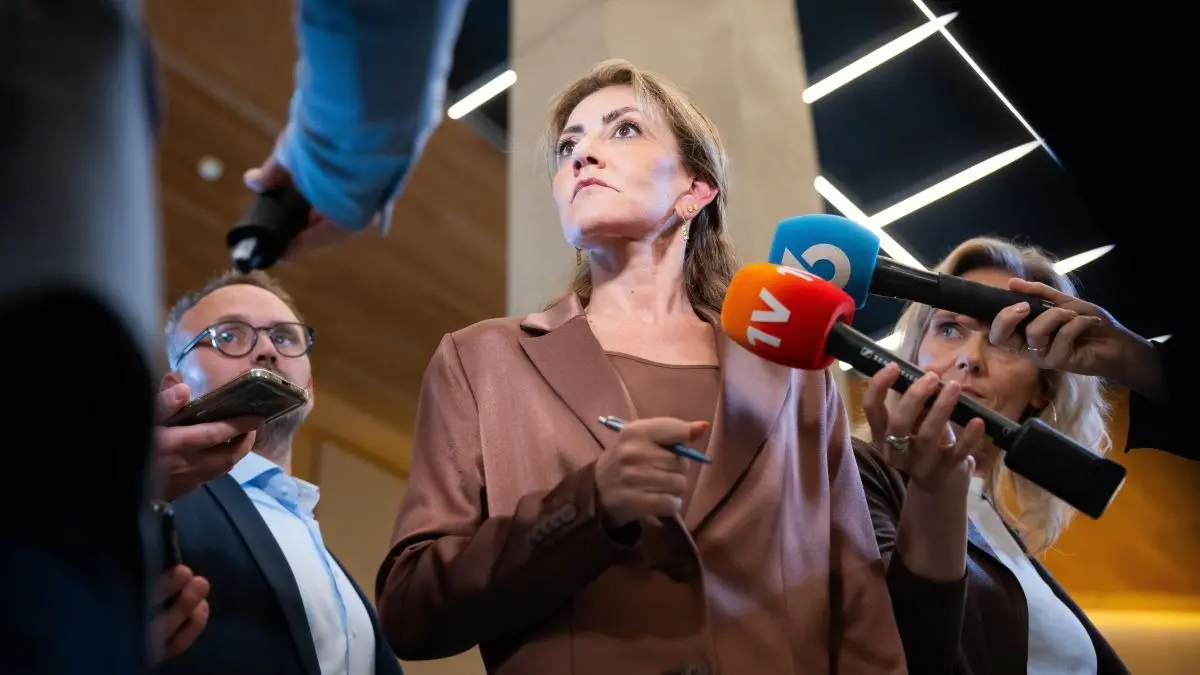
The right-wing liberal VVD minister deployed the terminology on Thursday during a parliamentary debate centered on the national defence budget. Speaking during a recess to public broadcaster NOS, Yeşilgöz explained that an escalating frequency of hostile acts across Europe—including coordinated sabotage campaigns, mysterious drone incursions, and persistent political intimidation—makes it imperative to name the geopolitical threat plainly and without diplomatic ambiguity.
“It is very clear that Russia is presenting itself as the enemy,” Yeşilgöz stated during the interview. She was quick to qualify the statement, however, noting that “That does not mean we are at war or that we will suddenly take a completely different approach.”
The rhetorical shift comes on the heels of significant legislative maneuvers by the Dutch cabinet. In August, the government published a draft law designed to grant the country’s domestic intelligence service, the AIVD, and its military intelligence counterpart, the MIVD, sweeping new legal powers specifically tailored to counter operations originating from Russia, China, and Iran.
A "New Reality" on Europe’s Doorstep
Elaborating on the security environment, Yeşilgöz asserted that while Moscow has long been recognized as the principal strategic threat to Europe, the nature and intensity of the danger have metastasized into what she termed a “new reality.” She warned that Russian leadership, under President Vladimir Putin, is actively probing the resilience and resolve of Western alliances. According to the defence minister, security experts and advisors strongly recommended that officials call things by their actual names rather than softening descriptions for diplomatic convenience.
The minister maintained that the Dutch government has not been caught flat-footed. The overarching national policy of aggressively ramping up defence spending and forging deeper, more integrated operational ties with European and NATO allies has been the cornerstone of Dutch strategy since Russia launched its full-scale invasion of Ukraine. “We were not naive before and we will not become naive now,” Yeşilgöz told lawmakers and reporters, framing the new terminology as an alignment of language with a threat posture that has been hardening for years.
The sense of urgency underpinning the government’s stance echoes findings published earlier in the year. In April, the AIVD released its annual report, delivering a sobering assessment that Dutch national security is currently under greater pressure and facing more diversified threats than at any point since the conclusion of the Second World War.
Oversight Concerns and the Debate Over New Spy Powers
The debate over semantic definitions is closely intertwined with contentious legislative proposals regarding the operational latitude of Dutch intelligence agencies. Under the newly drafted intelligence legislation, the AIVD and MIVD would be granted the authority to formally designate specific foreign entities as “evident adversaries”—such as a targeted Russian intelligence service. Once an entity is classified as such, the services would gain the legal leeway to take proactive actions against any individuals suspected of working on their behalf, without needing to secure prior permission from an independent judicial watchdog. Instead, a single new regulatory body would conduct an ex-post review to determine whether the actions taken were lawful after the fact.
Furthermore, the proposed legislative framework would empower the intelligence agencies to legally demand sensitive data and information from a wide array of public and private institutions, including commercial banks, universities, and major online platforms.
These far-reaching provisions have not gone unchallenged, sparking friction between the executive branch and institutional watchdogs. Independent oversight bodies responsible for monitoring the AIVD and MIVD have voiced vehement objections to the trajectory of the reforms. Hugo Hillenaar, chair of the intelligence review committee CTIVD, delivered a stark warning during an interview with NOS last month, cautioning that the sweeping nature of the proposed spy powers and the dilution of prior judicial oversight pose a tangible threat to the foundations of the democratic rule of law itself.