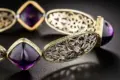





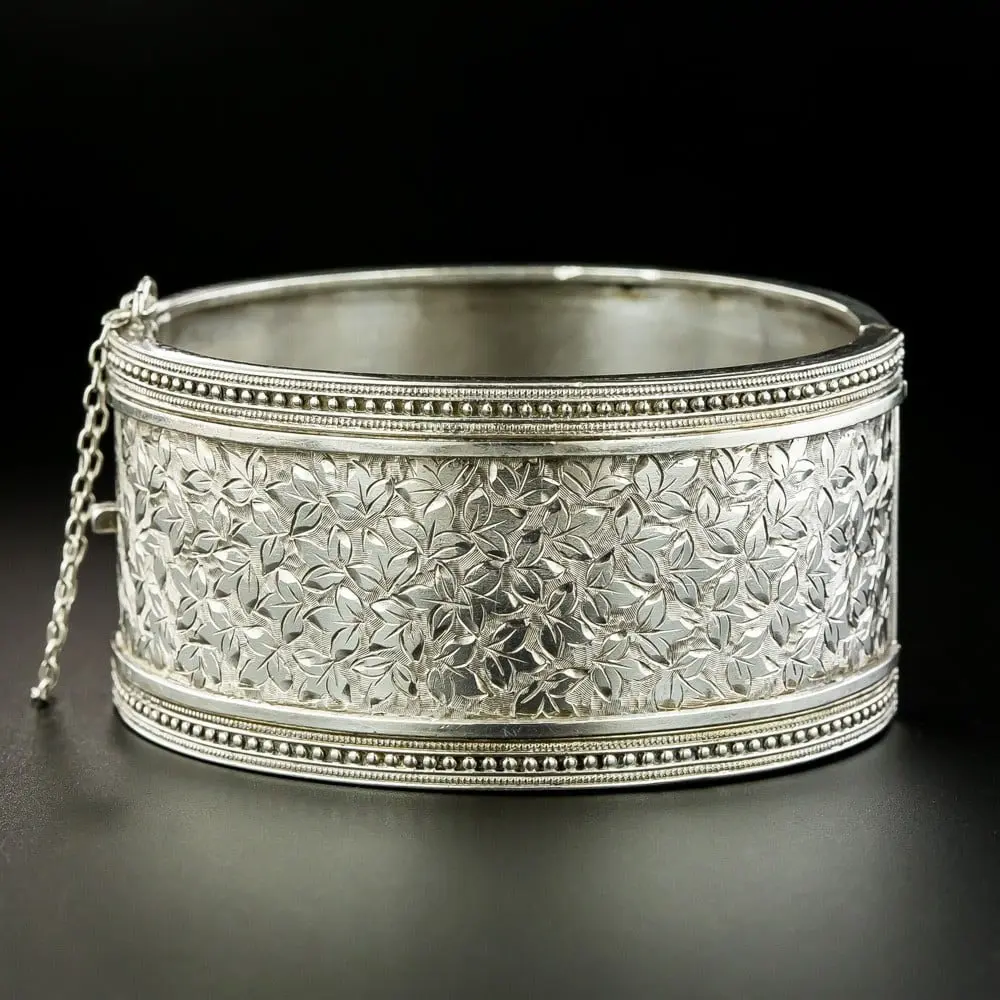
Silver, a brilliant white metallic element carrying the chemical symbol Ag, occupies a unique and monumental place in human history. Harder than gold yet softer than copper, it stands second only to gold in both malleability and ductility. Renowned as an exceptional conductor of heat and electricity, silver is classified among the noble metals due to its remarkable resistance to oxidation. Throughout millennia, it has served as a cornerstone in the production of fine jewelry, decorative arts, and global economies. While modern markets often contrast its affordability with the steep valuations of gold and platinum, historians and metallurgists emphasize that dismissing silver as a secondary metal is a profound mistake. At various points in history, silver commanded a higher value than gold, and the sheer volume of silver utilized in jewelry and civic life far outweighs that of any other precious metal. Furthermore, the pursuit and extraction of silver have historically catalyzed technological breakthroughs in mining and metallurgy, shifted the balance of power in wars, and sustained entire civilizations.
Bronze Age Foundations and Early Civilizations
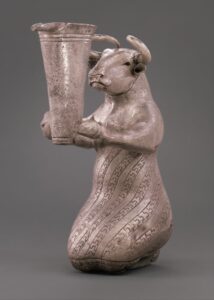
The story of silver truly begins near the close of the fourth millennium BCE, when ancient innovators in modern-day Turkey discovered a method to extract silver from lead ore through cupellation. While surviving artifacts from this nascent period are rare, those that remain demonstrate the remarkable capabilities of Bronze Age silversmiths. As human society entered the dawn of written history, silver emerged as a primary form of currency in Mesopotamia. Rather than circulating as standardized coins, silver was exchanged by weight or shaped into portable rings. Mesopotamian workshops treated silver with the same reverence as gold, often employing the same artisans. Although silver possesses slightly less ductility than gold and demands more frequent annealing during manufacturing, it can be seamlessly cast, hammered into whisper-thin sheets, engraved, embossed, worked in repoussé, and embellished with delicate filigree and granulation. Archaeological discoveries of ancient vessels, statuettes, and jewelry confirm that high-purity silver was regularly shaped into exquisite, albeit delicate, objects.
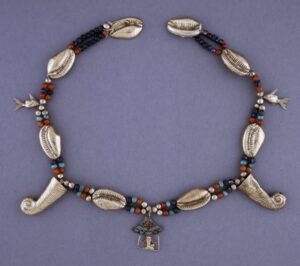
Meanwhile, ancient Egyptians maintained a profound fascination with the rare, the exotic, and the far-traveled. They went to extraordinary lengths to secure materials like Afghan lapis lazuli, which they considered exceptionally precious. Along these same ancient trade routes, silver found its way into the Nile Valley. Because gold was readily accessible nearby from the mountains of the Eastern Desert and Nubia, pure silver had to be imported from distant lands. Consequently, early Egyptian silver was valued far above gold and reserved exclusively for the elite. By approximately 1600 BCE, however, expanding supply lines caused the value of silver to drop to roughly half that of gold, establishing it as a reliable abstract currency with a relatively stable value. The shifting popularity of silver ebbed and flowed with the tides of fashion; King Tutankhamun’s tomb contained remarkably few silver artifacts, whereas Pharaoh Sheshonq II was laid to rest within an entirely silver sarcophagus.
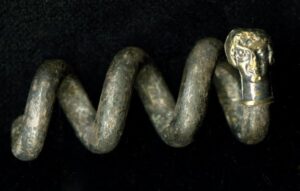
Across the Mediterranean, the Minoans and the later Mycenaeans built robust trading networks that handled significant quantities of silver, leaving behind a rich legacy of early Greek silver jewelry on the mainland, Crete, and Cyprus. Later, the Phoenicians played a transformative role in Mediterranean civilization through aggressive colonization and widespread maritime trade. By initiating the large-scale exploitation of rich Spanish silver deposits and distributing the metal across the classical world, the Phoenicians pulled silver out of its exclusive, exotic status, elevating its availability to unprecedented heights.
Classical Era Currencies and Pliny’s Observations
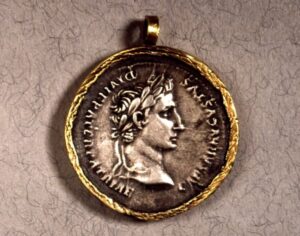
In both ancient Greek and Roman societies, the availability of silver was of paramount importance, as the stability of their monetary systems depended entirely on properly minted silver coinage. Although surviving artifacts suggest that gold was favored for personal adornment—partly due to the widespread historical practice of melting down and recycling silver—archaeological finds confirm that silver was utilized for every conceivable type of jewelry, including finger rings, anklets, and armlets. The Romans also developed a deep fondness for niello, a surface decoration technique akin to enameling but executed using silver sulfate rather than glass. Niello yielded a much tougher finish with a distinctive metallic luster, a technique that eventually spread northward during the Roman occupation of Europe, influencing Anglo-Saxon and Eastern European craftsmanship.
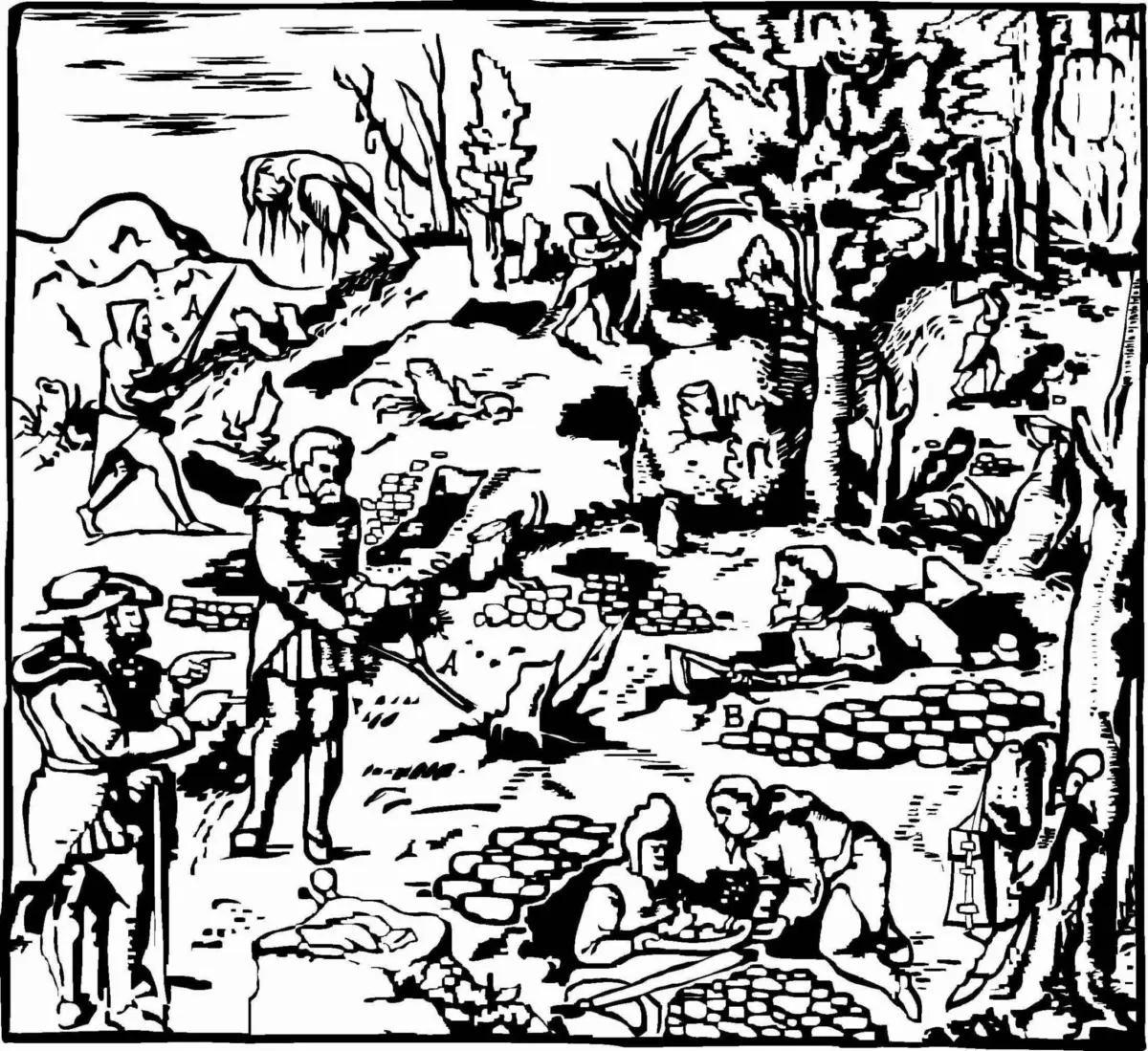
First-century Roman scholar Pliny the Elder offered a characteristically skeptical yet invaluable insider’s view of Roman society and its obsession with silver in his monumental work, Naturalis Historia. Pliny chronicled the deep shafts sunk into the earth to extract silver ore, noting that unlike gold, silver offered no glittering surface sparkles to betray its location. He detailed how the metal required smelting in combination with lead or galena, and observed that the finest silver in the empire came from Spain. According to Pliny, Hannibal himself had operated mines in the Spanish provinces, extracting hundreds of pounds of silver daily through grueling operations where water-bearers labored day and night by torchlight.
Pliny also documented the rigorous testing methods employed by the Romans, such as placing silver on a white-hot iron fire-shovel to observe its color retention, as well as the mounting excesses of Roman luxury. He lamented the shifting fashions of silver plate, where specific workshops and styles constantly cycled through elite favor, and recounted astonishing displays of wealth, such as the orator Calvus complaining about silver saucepans, Emperor Nero’s wife Poppaea ordering her favorite mules to be shod in gold, and Roman generals marching off to war with thousands of pounds of silver service ware. These accounts contrasted sharply with the frugality of early Roman republicans, who had dined off common earthenware and viewed excessive displays of precious metals with suspicion.
Celtic and Medieval Transformations
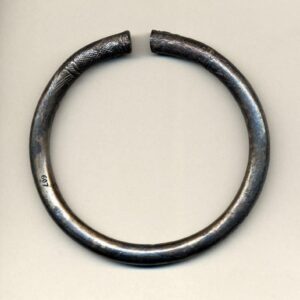
To the Celtic tribes of Europe, silver and bronze served as the primary mediums for personal adornment. Elaborately decorated brooches, torcs, and crescent-shaped lunulae defined their metallurgical artistry. Before the arrival of Roman coinage, Celtic communities utilized "ring money"—standardized rings of silver, copper, bronze, or gold that functioned strictly as currency rather than wearable items.
Following the collapse of Roman supply lines and trade networks, gold grew exceedingly rare across Europe, prompting silver to claim the undisputed throne as the preeminent metal for jewelry and decorative objects. Germanic jewelry from this era focused primarily on functional items such as fibulae, disc brooches, penannular brooches, and heavy belt buckles crafted from silver. Artisans frequently gilded these pieces or inlaid them with precious stones, with red garnets emerging as a dominant favorite.
The ninth and tenth centuries brought sweeping changes as Viking conquests along the northwest coasts of Europe funneled immense quantities of silver into Scandinavia, where silversmiths fostered a rich tradition of silver ornamentation. This trend was further amplified around the turn of the first millennium by the discovery of major silver deposits in Sweden. Germanic and Anglo-Saxon craftsmen embraced niello to create stark, high-contrast black-and-white patterns on silver items, a masterpiece of which is preserved in the British Museum as the Fuller Brooch. This circular Anglo-Saxon brooch from the ninth century is intricately inlaid with niello and features personifications of the Five Senses surrounded by geometric animal and human motifs symbolizing creation.
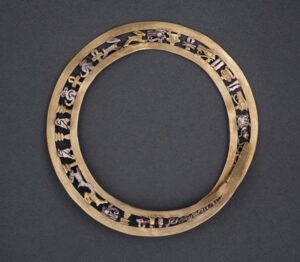
As medieval society evolved and trade routes to the East were gradually re-established, gold reclaimed its status as the premier metal for elite jewelry. Nonetheless, expanding trade allowed a prosperous middle class to emerge, creating a demand for personal adornment that had previously been restricted to wealthy rulers. Those with more modest budgets turned to silver, broadening the versatility of jewelry as designs shifted away from purely functional pieces toward decorative and symbolic forms, including finger rings, bangles, and pendants. By the close of the middle ages, the trade in silver items had become strictly regulated by institutional hallmarking systems.
Renaissance Expansion and Baroque Innovations
The Renaissance, beginning in Northern Italy during the late thirteenth century and flourishing through the sixteenth century, was fueled by revitalized trade with the Levant, European population recovery following the plague, and the rapid growth of northern commercial centers like the Netherlands. Following the fall of the Byzantine Empire in 1453, fleeing scholars brought forgotten classical knowledge back to Europe. Concurrently, the Age of Exploration—spearheaded by Portuguese, Spanish, French, English, and Dutch explorers—unlocked vast new territories.
Spanish conquistadors like Pizarro and Cortés subdued the Incan and Aztec empires, paving the way for massive inflows of silver following the discovery of monumental deposits in modern-day Mexico and South America beginning in 1546. While traditional silverworking techniques remained largely unchanged, the sheer volume of metal arriving in Europe ensured that silver maintained its dual role as a vital currency and an affordable precious metal for a growing, prosperous middle class. Some of this American silver was even shipped directly across the Pacific to China to secure valuable Asian goods.
During the Baroque period spanning the seventeenth century, South American silver continued to flood European markets. Political landscapes shifted as the Netherlands secured independence from Spain and emerged as a dominant maritime and artistic power, frequently clashing with rival navies over heavily laden silver galleons returning from the New World. While silver manufacturing methods remained rooted in tradition, the era introduced significant novelties. Portable timepieces emerged as technological marvels frequently housed in silver cases. More importantly, Baroque artisans began utilizing silver settings for diamonds. Intensified direct trade with India—established after European sailors bypassed traditional Arab middlemen—brought unprecedented quantities of diamonds to Europe, and the cool, white luster of silver proved to be the ideal complement for these colorless stones.
Georgian and Victorian Industrialization
The Georgian era witnessed booming silver production driven by steady mining output in South America. The Baroque practice of setting diamonds in silver blossomed into a widespread standard. While fine jewelry continued to utilize gold foundations with silver-topped fronts to hold stones securely, items crafted entirely from silver remained common. The characteristic cut-down collet settings of Georgian jewelry were almost universally fashioned from silver to enhance the brilliant white appearance of the diamonds.
A major manufacturing revolution arrived in 1777 with the introduction of die striking for jewelry production. This innovative technique involved stamping and cutting precious metal components using heavy presses and drop hammers, allowing artisans to assemble complete items by hand much faster and more cheaply than traditional handmade methods. As inexpensive manufacturing took hold, massive quantities of die-struck silver jewelry flooded commercial markets throughout Europe.
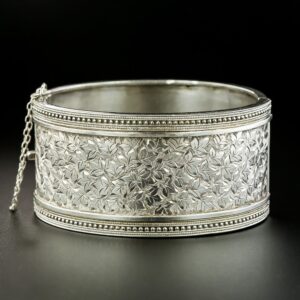
The Industrial Revolution of the Victorian era brought further mechanization to jewelry manufacturing, perfecting the stamping and die-striking techniques developed in the late Georgian period. Following Queen Victoria and Prince Albert’s acquisition of Balmoral Castle in Scotland in 1848, Scottish agate jewelry surged into international popularity, predominantly executed in silver in keeping with Northern European traditions.
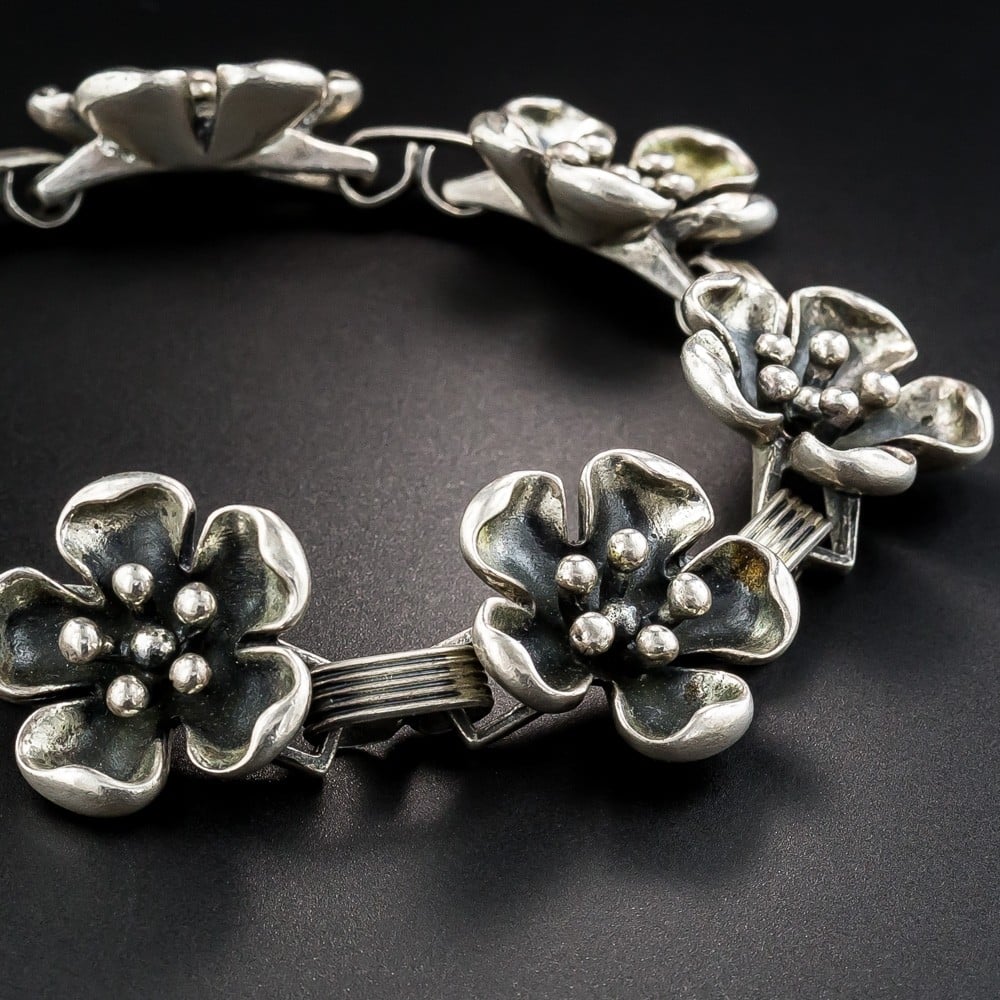
Toward the end of the Victorian period, the Arts and Crafts movement emerged as a direct aesthetic reaction against the mass production and industrialization of jewelry. Arts and Crafts artisans prioritized artistic design and handcrafting over the intrinsic market value of precious metals and gemstones. Consequently, they rejected faceted stones in favor of bezel-set cabochons and championed silver over gold, cementing silver’s artistic integrity for generations to come.