





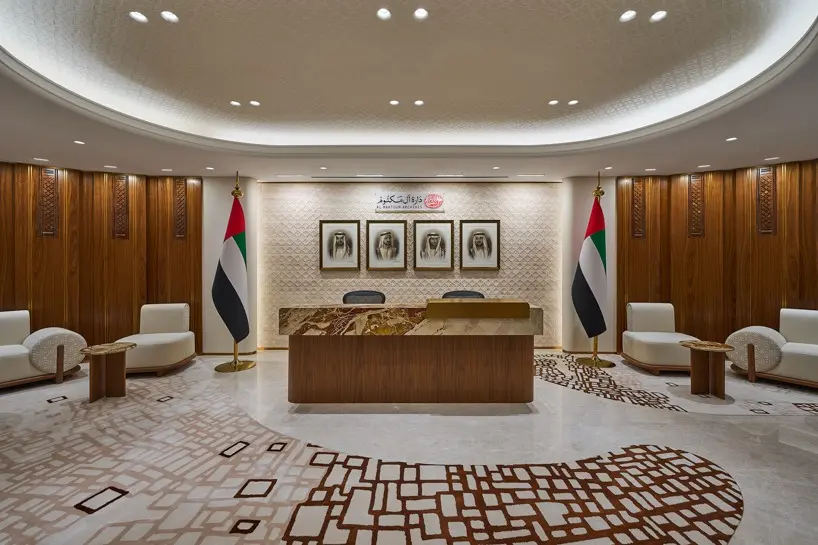
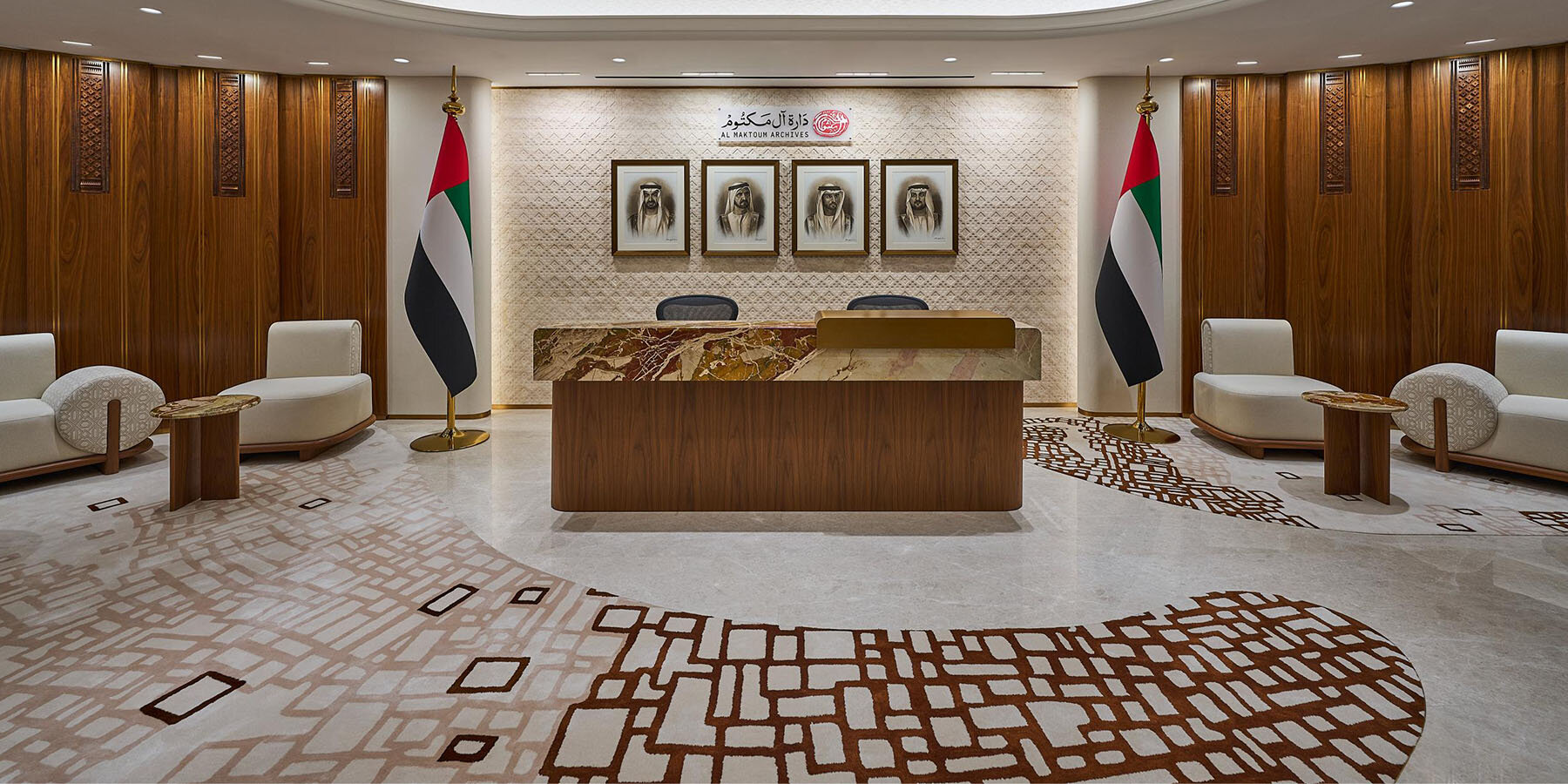
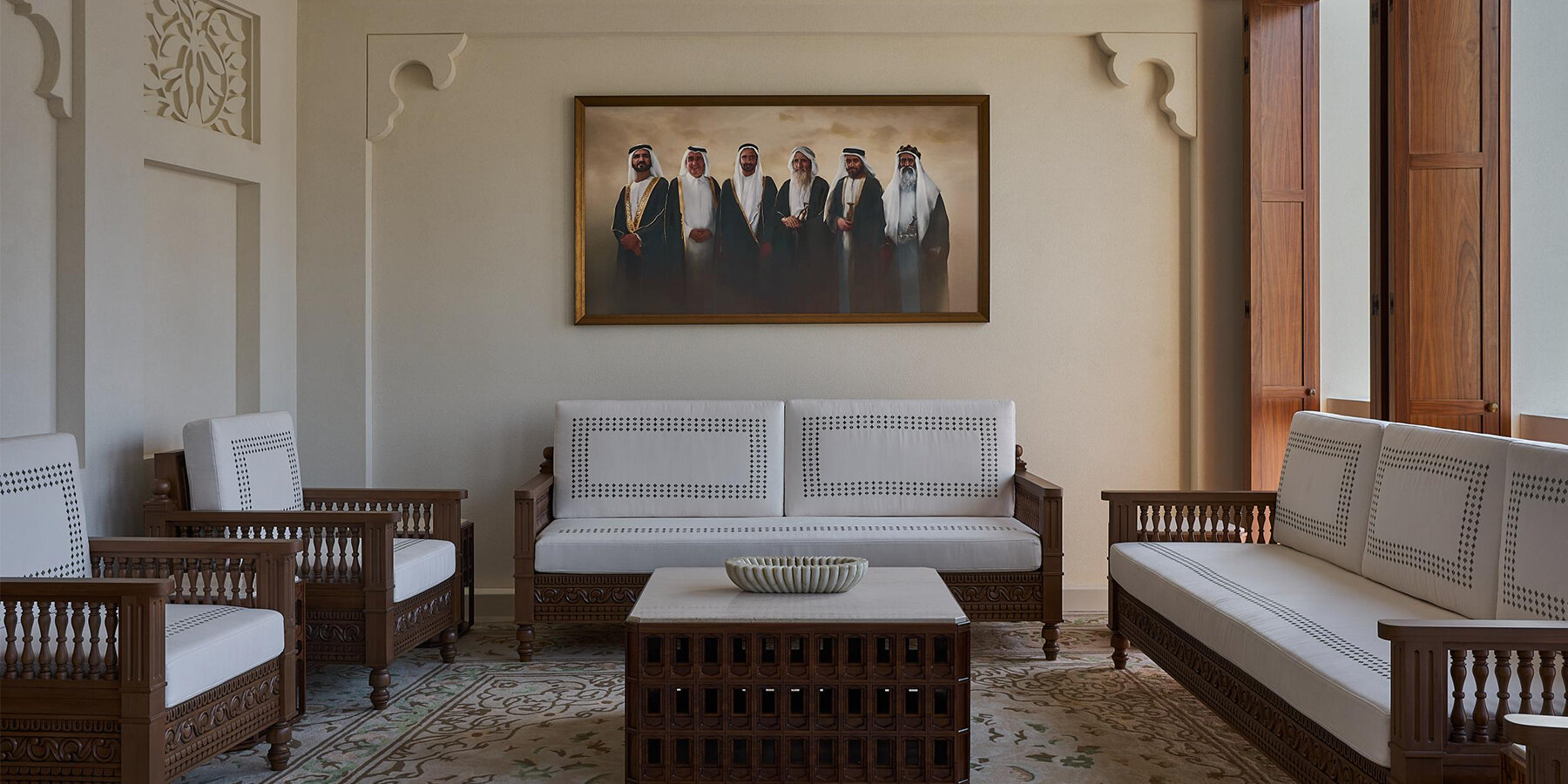
Dubai’s architectural landscape continues to evolve as a bridge between its deep-rooted heritage and its hyper-modern future, most recently exemplified by the design choices implemented for the Al Maktoum Archives. In a project that pays careful homage to local craftsmanship and historical aesthetics, Kart Group has introduced an interior geometry heavily informed by the intricate Mashrabiya motifs found at the historic Al Shindagha Museum. This thoughtful integration of traditional Emirati patterns into a contemporary archival setting highlights an ongoing commitment within the region to preserve cultural narratives through modern spatial design.
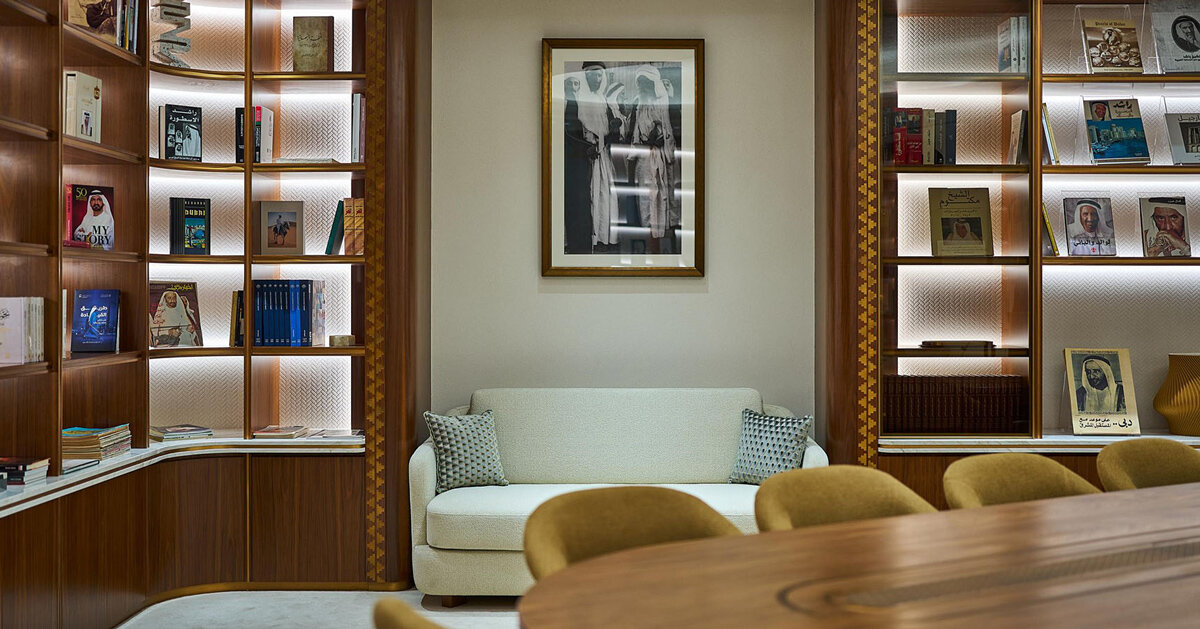
The Al Maktoum Archives project stands as a testament to the meticulous research and design sensitivity required to honor historical motifs without falling into mere replication. By drawing directly from the architectural vocabulary of the Al Shindagha Museum, the design team at Kart Group has successfully translated the functional elegance of traditional wooden latticework into modern spatial configurations. The Mashrabiya, historically utilized across the region for climate control, privacy, and aesthetic enrichment, serves here as a foundational design element that dictates the flow, light play, and structural rhythm of the interior spaces.
This fusion of heritage and contemporary design arrives at a time of vibrant cultural activity across the global design and architecture sectors, where institutions and creative practitioners are increasingly exploring how historic forms can inform modern interventions. Across the international stage, recent months have seen notable cultural and architectural unveilings that similarly test the boundaries of space, history, and public engagement. From landmark museum expansions in Europe to temporary architectural interventions commissioned by high-profile contemporary art programs, the architectural world is actively redefining how audiences experience built environments.
In London, the architectural conversation recently shifted toward the adaptive reuse of industrial heritage with the opening of a specialized 600-capacity music venue inside the iconic Battersea Power Station. Developed in connection with Apple, the new space offers musicians a streamlined environment where artists can perform live concerts, record tracks, mix audio, and distribute global broadcasts without ever needing to leave the facility. This integration of cutting-edge technology into a historic, monumental industrial structure mirrors the philosophy behind Dubai’s archival project, demonstrating how former industrial and cultural landmarks can find new, highly specialized life in the twenty-first century.
Meanwhile, in Basel, Switzerland, the architectural community celebrated the gradual public opening of Peter Zumthor’s long-awaited expansion of the Fondation Beyeler. Incorporating the new Wyss Museum, the Ammann Pavilion, and the Erlen Torhaus, Zumthor’s design deeply extends the museum’s harmonious relationship with its surrounding landscape while simultaneously opening a previously private park to the broader public. The project exemplifies the Swiss architect’s signature sensitivity to materials, light, and context, offering visitors a contemplative journey that merges art, architecture, and nature.
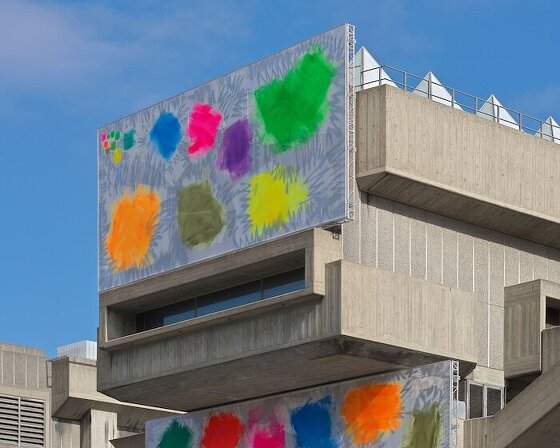
In the realm of contemporary art and temporary installations, Swiss artist Renée Levi recently transformed the brutalist facade of London’s Hayward Gallery through a striking Audemars Piguet Contemporary commission. Utilizing industrial mesh and raw concrete as her canvas, Levi introduced vibrant fluorescent paintings that react dynamically to architecture, human movement, and the shifting conditions of the urban environment. The temporary intervention challenges visitors to reevaluate the cold permanence of brutalist architecture through the ephemeral, energetic lens of contemporary color theory.
Simultaneously, the fashion world has continued to intersect with experimental architecture and spatial design, as seen during Milan Fashion Week. Designer Glenn Martens staged his final runway show for Diesel by collaborating with studio Dennis Vanderbroeck to construct a temporary club setting in Milan. Built to house 200 performers, the immersive environment blurred the traditional boundaries between the audience and the runway, allowing spectators to actively participate as living components of the fashion presentation itself.
Back in the United Arab Emirates, the incorporation of Mashrabiya motifs from the Al Shindagha Museum into the interior geometry of the Al Maktoum Archives reinforces the significance of localized storytelling in architecture. As Dubai moves forward with ambitious urban developments, projects that anchor contemporary interiors in traditional crafts ensure that the narrative of the city’s past remains visible and legible to future generations. Through the careful execution by Kart Group, the Al Maktoum Archives do more than simply store historical documents; they embody the very cultural heritage they seek to protect, creating an immersive environment where history and modern design coexist seamlessly.