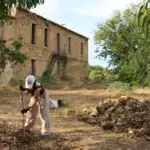





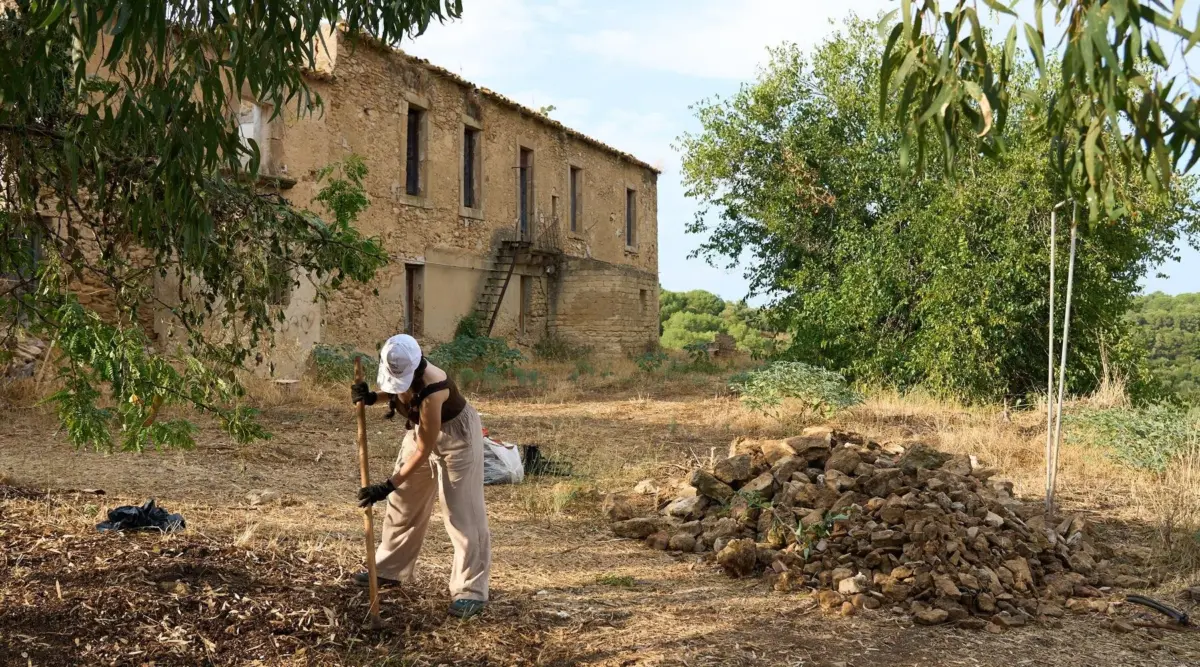
Nestled deep within the ancient forests of Santo Pietro, near the historic town of Caltagirone in southeastern Sicily, a quiet revolution in ecological design and community life is taking root. Established in 2022 by the cultural organization Makramè APS, Bosco Colto is an ambitious ecological regeneration project that reimagines how humans interact with, inhabit, and care for their surrounding territory. Through interdisciplinary programming that bridges architecture, agroecology, local history, and spatial design, the initiative seeks to heal the land while forging new models of coexistence.
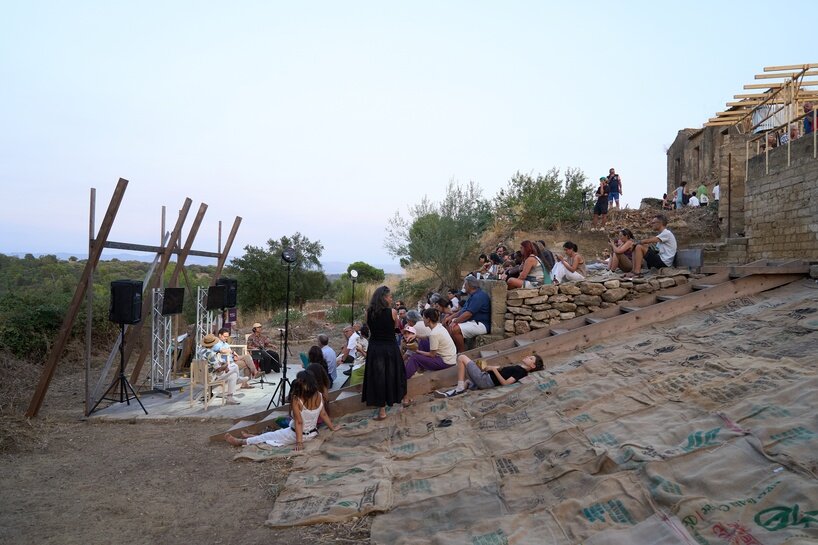
In the late summer of 2026, the project welcomed international designers, academics, artists, and local community members for its annual Bosco Colto Campus. Running from late July through the first week of August, the multi-day session of workshops, lectures, and public activations transformed the rural village of Santo Pietro into a living laboratory. Titled Thinking with Animals, this year’s iteration of the campus deliberately shifted its gaze away from human-centric perspectives, inviting participants to explore environmental justice through a nonhuman lens.
The program featured contributions from prominent global figures, including Yoshiharu Tsukamoto of Tokyo-based practice Atelier Bow-Wow, alongside the Food Hack Lab and numerous researchers in spatial practices, ceramics, and environmental science. In conversation with designboom, Marco Navarra, who co-directs the program alongside Dario Felice, Beatrice Fontana, and Antonio Scarponi, reflected on the organization’s steady growth and the philosophical and physical harvests cultivated during Thinking with Animals.
Thinking with Animals and a New Approach to Architecture
The ten-day summer program was anchored by a diverse array of hands-on and theoretical explorations. Among them was a workshop led by Fabio Ciaravella titled Order of the Oaks of Santo Pietro, which investigated the historical, symbiotic relationship between the ancient forest and the nearby urban center. The campus also witnessed the construction of a hybrid train kiln—a wood-fired kiln dedicated to experimental ceramics—alongside audio installations, digital mapping sessions, and culinary modalities designed to foster a deeper, multi-sensory connection with the surrounding landscape.
Reflecting on how the overarching theme of Thinking with Animals unified these disparate practices, Navarra explained that the framework provided an invaluable opportunity to experiment with a fundamental shift in perspective. Traditional architecture has long been dominated by an anthropocentric framework, one that prioritizes human comfort, scale, and economic utility above all else. By challenging this paradigm, the campus forced participants to reconsider the built environment as a shared habitat.
Navarra noted that the campus evolved into a living research tool over the course of its run. In this context, design ceased to be a mere formal exercise—a drawing on a page or a volumetric calculation—and instead transformed into a situated practice. It became an approach capable of embracing the unexpected, acknowledging other living presences, and welcoming the ecological logics of the non-human world as an integral, driving part of the design process.
On Designing Spaces Shared with Other Species
The very name of the governing organization, Bosco Colto, plays on a meaningful duality in the Italian language: bosco, signifying woodland or forest, and colto, meaning cultivated, tilled, or cultured. This synthesis of wild nature and human cultivation formed the conceptual bedrock of the 2026 campus.
Expanding on this philosophy, Navarra emphasized that designing spaces shared with other species requires a delicate balance of humility and expansive imagination. On one hand, it demands that humans recognize their own inherent limitations—acknowledging that the built environment cannot and should not be entirely engineered for human convenience. These very limits must serve as the starting point for architectural and landscape interventions. On the other hand, this realization must be matched by a heightened capacity for deep listening and creative foresight, allowing designers to tune into the needs, movements, and rhythms of non-human inhabitants.
This ethos manifested clearly across the campus’s various site-specific projects, where interventions were scaled to fit within the broader ecological web of the forest and village. Rather than imposing rigid, foreign structures onto the landscape, the participants sought to graft their designs onto existing environmental networks, respecting animal pathways, microclimates, and botanical rhythms.
Sicilian Satoyama with Yoshiharu Tsukamoto
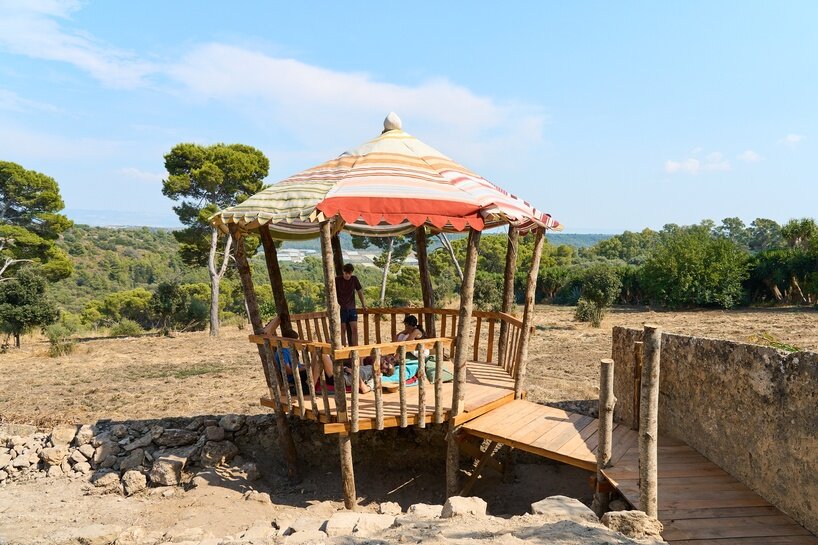
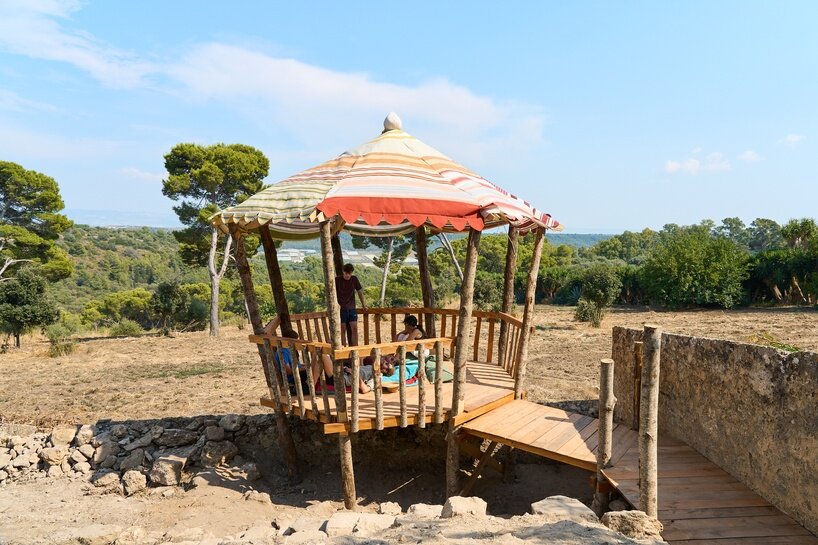
One of the standout highlights of the late-summer program was the Sicilian Satoyama workshop, led by renowned Japanese architect Yoshiharu Tsukamoto of Atelier Bow-Wow. Working closely with workshop participants, Tsukamoto directed the collective construction of two permanent installations on the site: the Zucca Gazebo and the Mulberry Canopy.
To understand the relevance of the workshop, Navarra explained the traditional Japanese concept of Satoyama. In Japan, Satoyama refers to a traditional agricultural landscape where various forms of land use—such as coppice forests, agricultural fields, and irrigation ponds—coexist in a mosaic-like structure. This intricate balance is maintained through a sustainable social system that ensures the long-term care, management, and stewardship of the land over time. Tsukamoto’s team experimented with local materials and construction techniques to adapt this philosophy to the Sicilian context, creating new opportunities to utilize regional resources within a structured network of ecological elements.
Navarra expressed enthusiasm for the successful translation of the Satoyama model to the Boschi di Santo Pietro area. He noted that the region naturally features a comparable mosaic structure, composed of traditional agricultural lands meeting the edges of an ancient forest. While Sicily has historically developed its own indigenous agrarian practices that share conceptual affinities with Satoyama, Navarra highlighted the immense value of linking Bosco Colto’s local efforts with the active Satoyama revitalization projects that Tsukamoto is currently spearheading in Japan.
A Space to Practice at Casa Bosco Colto
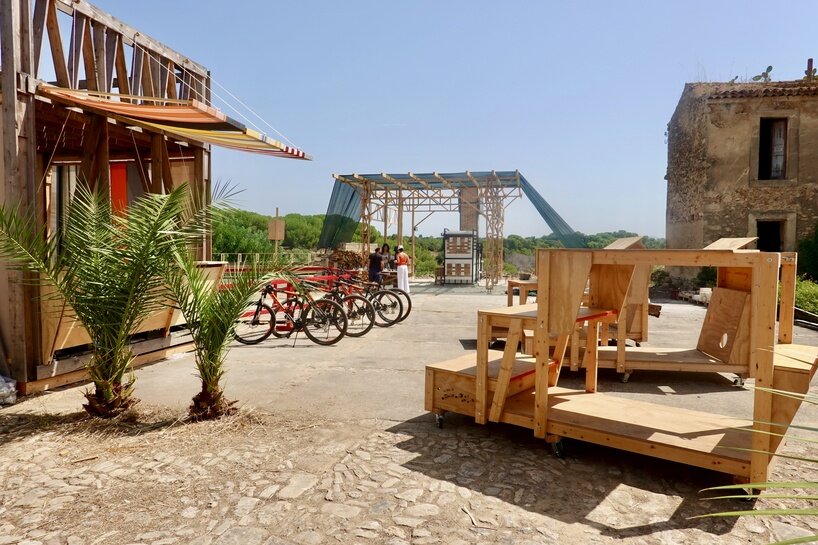
Beyond the temporary bustle of the summer campus, the Bosco Colto initiative is actively establishing permanent roots through the development of Casa Bosco Colto. Conceived as a dispersed network of restored buildings and public outdoor spaces throughout Santo Pietro, the project took a major step forward during the summer of 2026 with the inauguration of its permanent wood-fired ceramic kiln.
This addition is part of a broader, ongoing municipal revitalization plan to transform four underutilized public buildings into an interconnected cultural infrastructure. Once fully realized, Navarra envisions the space as an independent research center equipped with specialized laboratories and guest accommodations. It will serve as a permanent hub dedicated to field research intersecting architecture, contemporary art, and natural sciences, with the local community deeply integrated into its daily operations and governance.
Reflecting on the long-term vision of Bosco Colto and its continuous engagement with the cultural and ecological fabric of Sicily, Navarra offered a poetic perspective on the initiative’s role in the region. Foundations, he suggested, bloom from seeds buried deep in the past, acting like a regenerating fire that brings dormant histories back to light and allows them to blossom anew. Through small-scale architectural interventions and patient, community-led programming, Bosco Colto works intentionally with time, using the self-regeneration of places to actively build a more resilient future.