






Mini PCs have steadily evolved from niche hobbyist novelties into fully fledged desktop powerhouses. By cramming all the essential components of a traditional desktop tower into an enclosure no larger than a paperback book, these compact machines appeal to anyone looking to reclaim valuable desk space without sacrificing computing performance. While they require users to supply their own display, mouse, and keyboard, modern mini PCs possess more than enough horsepower to effortlessly handle web browsing, document creation, expansive spreadsheets, and basic photo and video editing.
Unlike ultrabooks or standard all-in-one computers, Windows-based mini PCs typically offer a surprising degree of hardware flexibility. Users can easily upgrade internal storage and memory on most Windows models, and some even allow for CPU swaps. Expansion is naturally constrained by the physical dimensions of the chassis, and these computers generally rely on integrated graphics rather than dedicated graphics cards, meaning modern high-end gaming is largely off the table unless paired with an expensive external graphics dock. Conversely, flagship desktop options from Apple approach the category differently, utilizing power-efficient mobile architectures to deliver silent operation and robust performance in a sealed, non-upgradable package.
Why You Should Trust Us
Navigating the crowded landscape of compact computers requires rigorous testing and specialized expertise. Evaluations of computer monitors, PCs, laptops, tablets, and 3D printers are led by industry professionals certified as display calibrators through the Imaging Science Foundation. The selection process involves scrutinizing specifications from major hardware manufacturers alongside boutique brands to identify machines that balance performance, thermal management, reliability, and value. Testing protocols include standardized benchmarking tools like Geekbench and Cinebench alongside heavy real-world workloads, such as maintaining dozens of active browser tabs, streaming multimedia, handling video calls, and running creative applications like Adobe Premiere Pro to surface potential driver issues or performance quirks.
How We Picked and Tested
Selecting top-tier mini PCs involves establishing strict criteria for hardware capabilities, port selection, build quality, and thermal efficiency. Major manufacturers like Acer, Apple, Asus, Dell, HP, Intel, and Lenovo are regularly surveyed, alongside specialized compact PC makers such as Aoostar, Beelink, and Minisforum.
Once potential candidates are acquired, testing begins by booting each machine and executing all available operating system and hardware updates. Benchmarking software helps gauge relative processing speeds across multiple systems. Beyond synthetic tests, each computer undergoes practical, real-world trials where it serves as a primary workstation for at least a full day. This hands-on phase ensures that everyday multitasking runs smoothly and provides a window into real-world noise levels, thermal throttling, and bundled software bloat.
Top Pick: Apple Mac mini (M6, 2026)
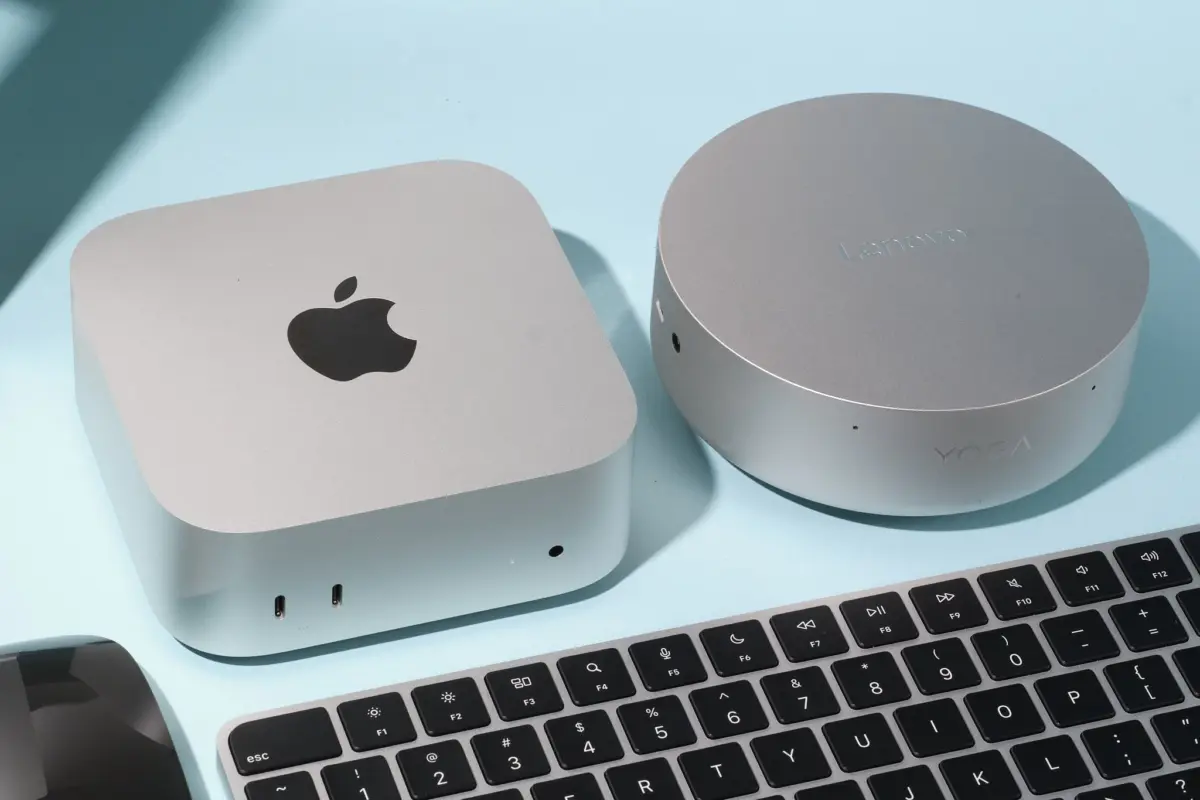
For users seeking an ideal blend of speed, efficiency, and quiet operation, the Apple Mac mini equipped with the M6 processor stands out as the premier choice in the category. Apple’s M6 chip delivers blistering performance that matches or exceeds older professional-grade silicon, easily handling intensive multitasking, coding, photo editing, and video compilation. Despite this processing might, the system remains whisper-quiet, generating minimal heat thanks to the power efficiency inherited from mobile architecture.
The base configuration comes equipped with 16 GB of memory and a 256 GB proprietary solid-state drive, retailing around $900. While upgrading memory and storage directly through Apple incurs significant costs, the base model provides more than enough capability for standard daily workflows and is projected to comfortably outlast many competing systems.
Connectivity has also seen a welcome refresh. The M6 Mac mini features a total of five USB-C ports, with two conveniently located on the front alongside a headphone jack for easy accessory plugging. The rear houses three additional USB-C ports, an HDMI output, an Ethernet port, and the power connection. Furthermore, the updated hardware supports up to three separate 5K displays, making it an exceptional hub for multi-monitor setups. Enhanced wireless capabilities include Wi-Fi 7 and Bluetooth 6, ensuring the system is ready for modern networking infrastructure.
While the Mac mini brings immense power to a compact 5-by-5-inch footprint, it is not without drawbacks. The device has seen a price increase compared to previous generations, and its internal components remain entirely non-upgradable and non-repairable by the user. Those who exhaust their internal storage must rely on external drives or cloud storage services. Nevertheless, its blend of silent operation, longevity, and raw performance secures its spot at the top.
Top Pick for Windows: Lenovo Yoga Mini
Users who prefer the Windows ecosystem will find the Lenovo Yoga Mini to be the most versatile and capable option available. Mimicking the sleek aluminum aesthetic of Apple’s design language in a circular chassis, the Yoga Mini houses an Intel Core Ultra 5 processor, 16 GB of memory, and a 512 GB solid-state drive.
While it cannot match the raw computing benchmarks of Apple’s M6 processor, the Yoga Mini excels in flexibility. One of its standout features is the ability to draw power over USB-C. Rather than relying solely on its included 100-watt power brick, the PC can run successfully when connected to a compatible monitor with USB-C power delivery or even a high-capacity portable power bank.
The port selection includes a thoughtful mix of connections distributed across the rear and side panels, featuring USB-C, USB-A, HDMI, 2.5 Gbps Ethernet, and a headphone jack. The system also incorporates unique software-driven interactive features, such as RGB lighting that can react to music or proximity sensors detecting when a user approaches. An internal accelerometer even allows users to perform tap controls to toggle lighting or activate voice commands.
Though its cooling fan can become audible under heavy workloads, the sound remains relatively soft. Upgrading internal components is technically possible but requires specialized tools and patience, making it best to configure the system with adequate storage and memory at the time of purchase.
Other Notable Mini PCs and Alternative Options
For specialized use cases, several alternative systems offer distinct advantages. The Framework Desktop caters directly to developers and artificial intelligence enthusiasts who require massive amounts of rapid memory to run large language models locally. Featuring an AMD Ryzen Max+ processor, it supports up to 128 GB of LPDDR5 RAM at a fraction of the cost of comparable workstation setups, though its physical footprint is roughly three times larger than traditional mini PCs.
For maximum portability between multiple fixed desk setups, the HP EliteBoard G1a integrates a complete Windows PC directly into the base of a keyboard. Powered entirely over USB-C, it eliminates the need to transport a separate computer chassis when moving between home and office environments.
Meanwhile, users tackling intensive local AI development or complex 3D media production projects will find the Mac Studio with the M5 Max chip to be the ultimate powerhouse. Offering an 18-core CPU, 32-core GPU, and substantial unified memory, it dwarfs standard mini PCs in heavy computational workloads.
Competition in the wider market includes business-focused alternatives like the Asus ExpertCenter series and various budget models from manufacturers such as GMKtec and Minisforum. While some alternative Windows machines offer easier user-upgradability or lower introductory pricing, issues with thermal noise, driver stability, or fluctuating retail costs continue to solidify the Apple Mac mini and Lenovo Yoga Mini as the most reliable choices for everyday consumers.