





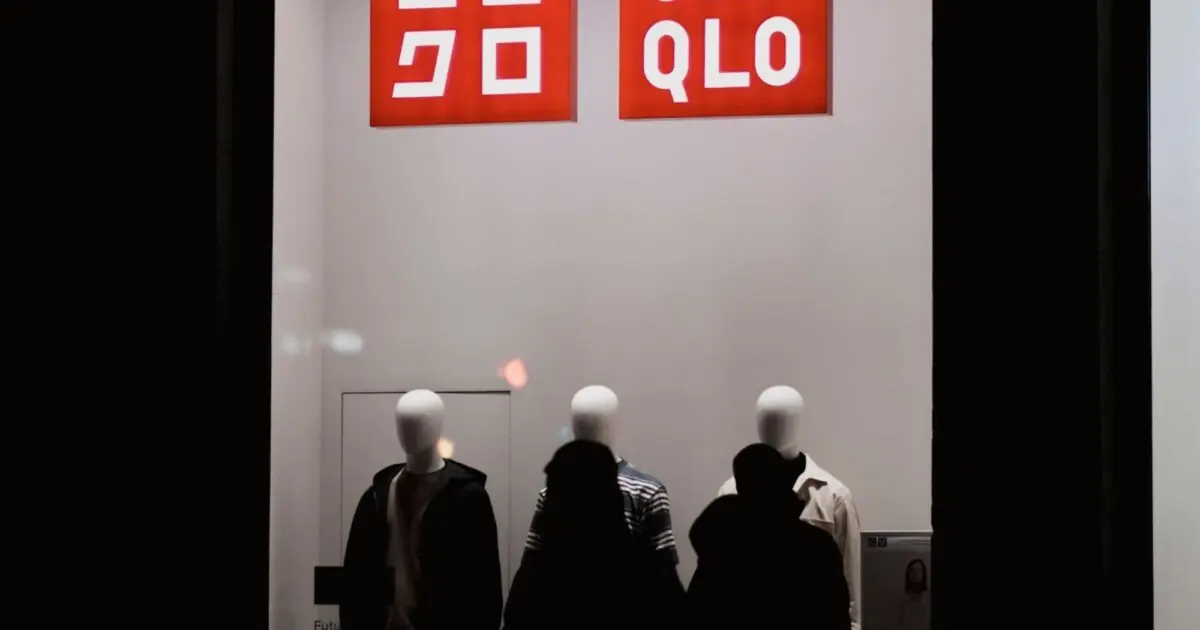
As shoppers seek out minimalist wardrobes and long-lasting casual staples, multinational retail giant Uniqlo has firmly established itself as a go-to destination for everyday fashion. Founded in Hiroshima in 1984, the brand has grown into a massive international presence with approximately 2,500 stores worldwide. Known for its accessible, versatile items—ranging from reliable cardigans to lightweight winter puffers—Uniqlo presents an aesthetic that feels more enduring than the rapid-fire "new styles every week" model typical of traditional fast fashion competitors.
However, beneath the polished surface of timeless design and comfortable basics lies a pressing question for modern consumers: how ethical is Uniqlo?
According to sustainability ratings platform Good On You, which evaluated the brand based on public disclosures and credible third-party reporting, Uniqlo currently holds a middling overall score of “It’s a Start.” This rating reflects a complex corporate profile where positive labor initiatives and environmental policies are balanced against systemic challenges inherent in large-scale apparel manufacturing, including a lack of guaranteed living wages, vague material sourcing disclosures, and high-volume production models.
Is Giant Uniqlo Doing Enough?
With founder Tadashi Yanai ranking among Japan’s wealthiest individuals and harboring explicit ambitions to make Uniqlo the world’s largest retailer, the brand faces intense scrutiny regarding its trajectory. Surpassing major competitors like H&M and Zara would inevitably require an increase in production volume and retail reach. This growth trajectory prompts critical conversations among sustainability analysts about whether a truly sustainable business model can exist on such a massive global scale.
To determine how the retailer handles its responsibilities, analysts examine performance across three core pillars: environmental impact, labor conditions, and animal welfare. While the brand has introduced notable initiatives to improve its practices, the overarching tension between mass consumerism and ecological accountability remains a central theme of its current evaluation.
Environmental Impact
Uniqlo earns an “It’s a Start” rating for its environmental performance, reflecting a mix of forward-looking initiatives and traditional fast-fashion hurdles. On the positive side of circularity, the retailer has implemented repair and reuse programs, such as the Re.Uniqlo Studio, alongside clothing recycling drop-offs designed to help address end-of-life textile waste. Furthermore, the brand’s emphasis on designing enduring, classic items theoretically reduces the urge for immediate disposal compared to ultra-fast fashion alternatives.
Despite these measures, the brand continues to produce a massive volume of garments and frequently relies on promotional discounting to encourage higher consumer spending—tactics that fundamentally align with the unsustainable consumption cycles of the broader fashion industry.
Transparency regarding material selection remains another hurdle. While Uniqlo incorporates some lower-impact materials into its collections, analysts have noted the absence of an aggregate breakdown detailing the exact percentages of these alternatives within the total material mix. Such transparency is vital for consumers to gauge the true scale of a brand’s transition away from conventional fabrics.
Regulatory scrutiny has also highlighted challenges in marketing transparency. An advertisement by Uniqlo in the United Kingdom was recently banned by regulatory authorities after they determined that claims regarding a fleece being made from "recycled materials" were overly vague.
On the climate front, Uniqlo has established science-based targets to reduce supply chain emissions and has stated its intention to eliminate hazardous chemicals following 2025. However, evaluators point out that public verification regarding whether the company is strictly on track to meet these benchmarks remains limited.
Labour Conditions
Labor practices represent one of Uniqlo’s stronger areas, earning the brand a “Good” rating in this category. The company’s social auditing program, which covers its entire final production stage, is accredited by the Fair Labor Association (FLA). Additionally, its Code of Conduct explicitly incorporates the principles of the International Labour Organization’s Four Fundamental Freedoms.
Beyond standard compliance, Uniqlo has implemented initiatives aimed at providing financial security for its suppliers, which helps foster better working environments on the ground. The company also supports leadership programs designed to empower women and promote upward mobility within the manufacturing workforce—positive steps expected of financially powerful global corporations.
However, a significant gap remains in the area of living wages. While the brand has acknowledged project initiatives aimed at addressing worker remuneration, evaluators found no concrete evidence that a verifiable living wage is actively ensured at any tier of its supply chain. Ensuring the financial dignity and long-term wellbeing of garment workers remains a crucial next step for the retailer’s social responsibility agenda.
Animal Welfare
Uniqlo’s approach to animal welfare is rated “It’s a Start.” The brand avoids the use of several controversial materials, including fur, alpaca, shearling, and mohair, which marks a constructive baseline. However, it continues to utilize leather without publicly documented commitments to certified production standards, leaving gaps in traceability and chemical management within the leather supply chain.
Seasonal staples such as cashmere and down represent a core component of Uniqlo’s winter offerings, including sweaters, scarves, and lightweight puffer jackets, indicating substantial material consumption in these categories. The brand also uses wool, noting a policy against mulesed sheep, yet lacks transparent verification mechanisms to ensure compliance throughout its sourcing network. Additionally, the company’s formal animal welfare policies do not fully align with the internationally recognized Five Freedoms.
Analysts conclude that while eliminating cruel materials like fur demonstrates progress, the brand needs to strengthen its formal animal welfare policies and commit to certified or recycled alternatives across all animal-derived inputs.
Overall Rating and Industry Context
Ultimately, Uniqlo’s “It’s a Start” designation reflects a brand that is taking meaningful, documented steps in certain operational areas while falling short of comprehensive sustainability standards. Positive environmental policies and accredited labor programs sit alongside unresolved challenges regarding living wages, material transparency, and animal welfare safeguards.
Industry analysts emphasize that Uniqlo remains firmly anchored within the broader fast-fashion ecosystem. The continuous production and aggressive discounting of high-volume garments drive environmental strain, as cheap apparel frequently ends up discarded after limited use. While accessible price points appeal to budget-conscious shoppers, they often obscure the hidden environmental and social costs absorbed further down the supply chain.
For consumers navigating these choices, experts suggest that perfection should not be the enemy of progress. Purchasing a durable staple from a brand making incremental improvements like Uniqlo is often preferable to supporting companies that exhibit little to no accountability for people or the planet. By staying informed, supporting transparency, and engaging directly with brands to demand higher standards, shoppers can help steer the retail industry toward a more responsible future.