





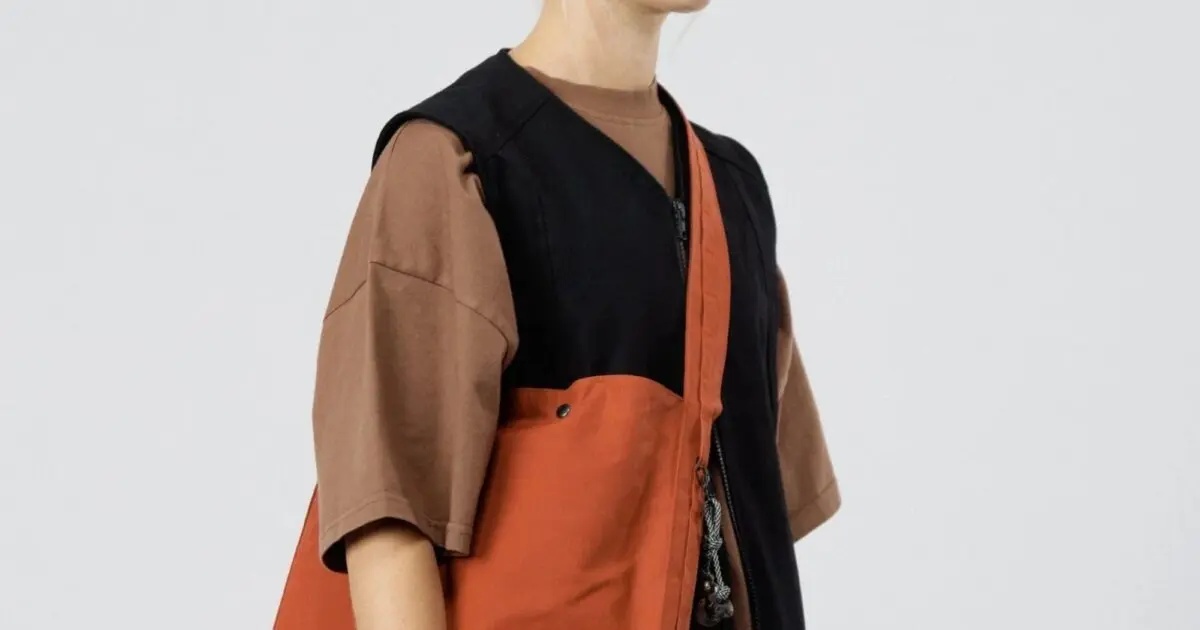
To help shoppers navigate this expanding landscape, curators have rounded up a diverse selection of more sustainable tote bags from leading ethical brands. The curated options span a wide variety of styles, needs, and price points, including vegan pieces from labels like Sans Beast, Mashu, and Svala, budget-friendly choices from Up-Fuse and Terra Thread, and creative upcycled picks from Elvis & Kresse, E.L.V. Denim, and Lefrik.
The initiative comes as part of ongoing efforts by independent rating systems to guide consumers toward businesses that actively minimize their impact on people, the planet, and animals. However, understanding what truly separates a genuinely sustainable tote bag from "greenwashed" alternatives requires a closer look at the materials, manufacturing processes, and ethical standards behind the product.
What Makes a More Sustainable Tote Bag?
Tote bags are among the most versatile accessories in modern life. They are routinely deployed for carrying groceries, packing everything needed for a day at the beach, hauling yoga mats to the studio, and serving as everyday catch-alls for work or school. Because they are available everywhere—handed out for free at corporate events or sold cheaply at corner stores—it is easy to forget that not all tote bags are created equal. Many are produced by businesses operating with little regard for environmental or social governance.
What, then, defines a more ethical and sustainable tote bag? According to industry analysts and sustainability criteria, the foundation begins with lower-impact materials. Traditional tote bags are frequently crafted from cotton canvas, which sounds natural and harmless, but conventional cotton farming is notoriously resource-intensive, often relying heavily on synthetic pesticides and vast amounts of water. Organic cotton offers a significantly better alternative by avoiding hazardous chemicals and supporting healthier soil systems.
At the same time, polyester options are frequently utilized for durability, particularly when consumers need to carry heavy loads. However, virgin polyester is derived from fossil fuels, contributing directly to greenhouse gas emissions and driving global demand for oil. To combat this, sustainability advocates consistently recommend choosing recycled polyester, which gives existing plastic waste a second life and reduces the need for virgin resource extraction.
Animal-derived materials also play a crucial role in evaluating the ethics of accessories. High-end tote bags are frequently crafted from leather, an industry associated with high carbon footprints, toxic tanning chemicals, and animal welfare concerns. For consumers who prefer the look and feel of leather without the ethical baggage, experts advise either seeking out certified, responsibly sourced leather options or turning to high-quality vegan alternatives.
Beyond materials, longevity is a critical indicator of sustainability. A bag that falls apart after a few months of heavy use forces the consumer into a cycle of replacement, generating unnecessary waste. True sustainability demands quality manufacturing, characterized by robust stitching, securely attached handles, reinforced seams, and durable fastenings that can stand up to frequent, rigorous daily use.
Spotlight on Leading Ethical Brands
To address these complex criteria, a number of innovative brands have emerged as leaders in the sustainable accessories space.
Up-Fuse, a Cairo-based social enterprise, exemplifies how design and social impact can intertwine. Operating on the philosophy that one person’s trash is another’s fabric, the brand creates distinctive, eco-conscious lifestyle products. In addition to using innovative materials, Up-Fuse works closely with Syrian, Ethiopian, and Sudanese female refugees living in Egypt, providing meaningful employment and supporting community integration through fair wages and skill-building.
Similarly, Ucon Acrobatics focuses on delivering innovative, functional, and minimalistic products tailored for creative consumers. The brand places a strong emphasis on material transparency, utilizing a high proportion of eco-friendly inputs such as organic cotton in its collections. Beyond its material choices, Ucon Acrobatics actively works to reduce its operational climate impact by powering its direct facilities with renewable energy. The brand also places significant weight on social responsibility, ensuring that workers at the final stage of production receive fair living wages.
For shoppers seeking luxury alternatives entirely free of animal products, Svala offers a compelling model. Handcrafted responsibly in Los Angeles, the brand specializes in luxury vegan handbags, purses, and totes. Svala’s collections utilize premium vegan leather alongside innovative plant-based materials like cork and Piñatex, proving that high-end fashion does not need to compromise on ethical principles.
Lefrik tackles the pervasive issue of plastic pollution by giving synthetic materials a second life. The brand specializes in backpacks and accessories that seamlessly blend urban functionality with smarter production practices, transforming post-consumer plastic bottles into durable, well-designed everyday carryalls.
Mashu, a British sustainable vegan accessories label, has likewise carved out a strong reputation for ethical craftsmanship. Specializing in handbags and totes, Mashu has earned strong environmental ratings for its thoughtful material choices. The brand crafts the exterior of its bags using innovative vegan leather alternatives, while the interiors are lined with vegan suede made entirely from recycled polyester. This meticulous attention to detail ensures that consumers never have to sacrifice their personal style or their moral values.
As consumer demand for transparency continues to shape the fashion and accessories industries, these brands demonstrate that style, functionality, and ethical responsibility can successfully coexist. By looking closely at material origins, manufacturing ethics, and product durability, shoppers can make choices that actively support a more sustainable future.