





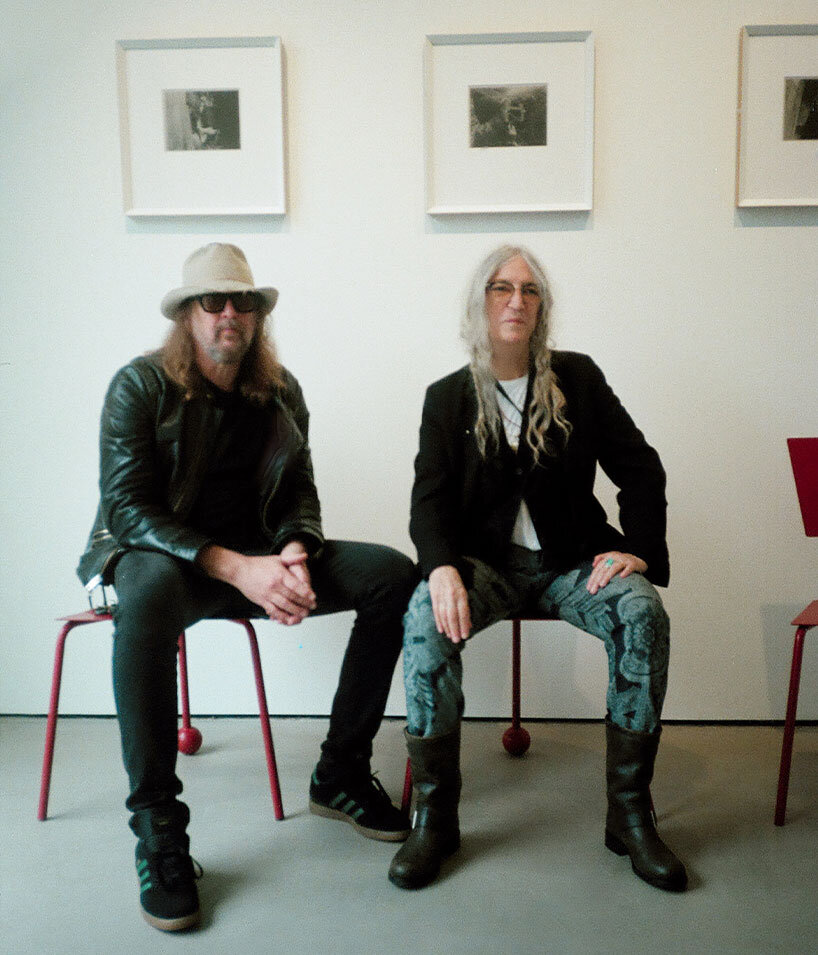
Massimo Dutti is making a bold and unconventional entrance into the New York retail landscape. Rather than relying on a traditional ribbon-cutting ceremony or a standard corporate product launch to mark the opening of its new flagship store at 575 Broadway, the international fashion brand has opted to root its arrival deeply in the cultural fabric of downtown Manhattan. To introduce itself to the city, the brand has partnered with filmmaker and photographer Steven Sebring to present a rare, intimate photography exhibition celebrating Patti Smith, the undisputed godmother of punk and a defining icon of New York’s creative heritage.
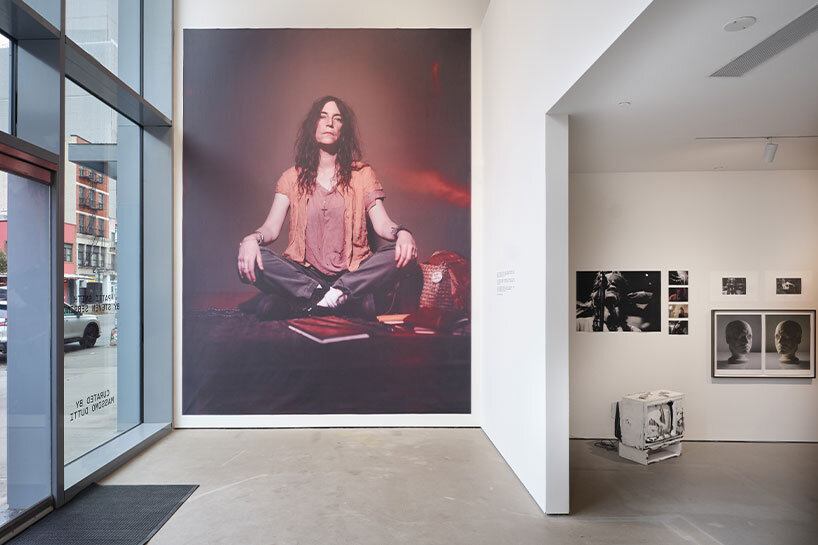
Running through October 25th at 260 Bowery, the exhibition—titled Patti Smith by Steven Sebring—mines the artist and filmmaker’s private archives to present a series of previously unseen portraits. These images document a multi-decade artistic relationship between Sebring and Smith, capturing the raw, unfiltered energy of the city’s legendary downtown scene. By choosing to lead with a profound artistic statement rather than pure commerce, Massimo Dutti is signaling that its arrival in SoHo is designed to be an active, cultural dialogue with the neighborhood rather than a passive retail footprint.
The ambition of the project extends well beyond the physical boundaries of a single storefront. Instead of confining its presence to 575 Broadway, the brand has orchestrated a network of creative partnerships spanning SoHo, the West Village, and the broader Manhattan landscape. This multi-layered rollout ensures that the brand’s New York debut echoes far beyond the main flagship, engaging locals and visitors alike through a series of street-level activations, exclusive collaborations, and public programming.
Inside the Restored SoHo Flagship
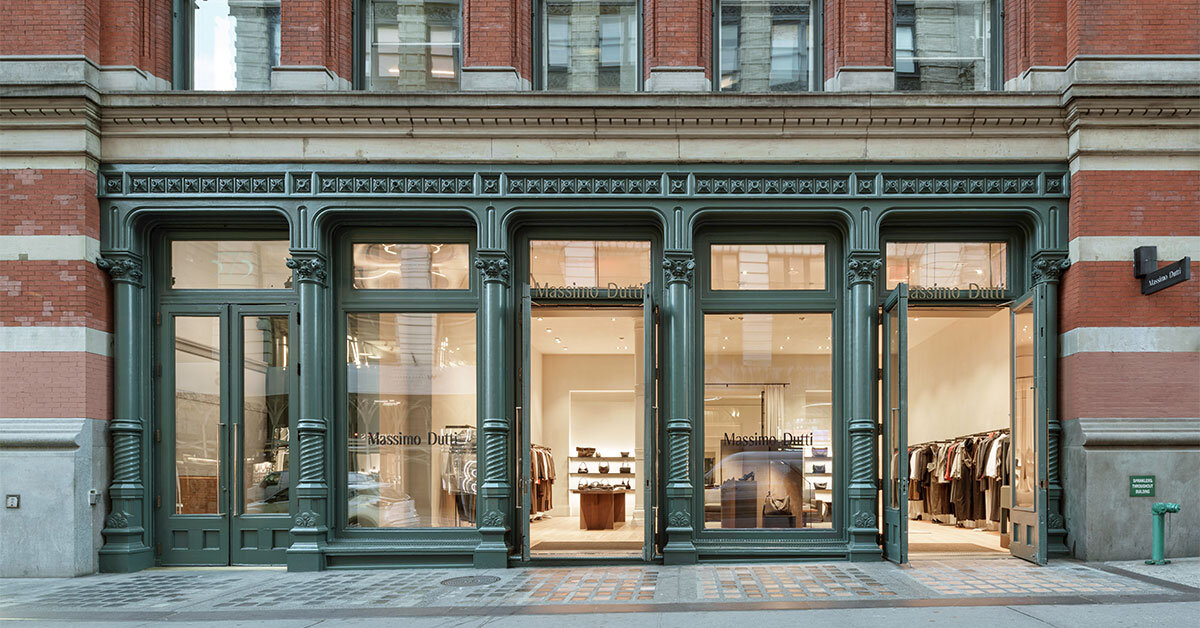
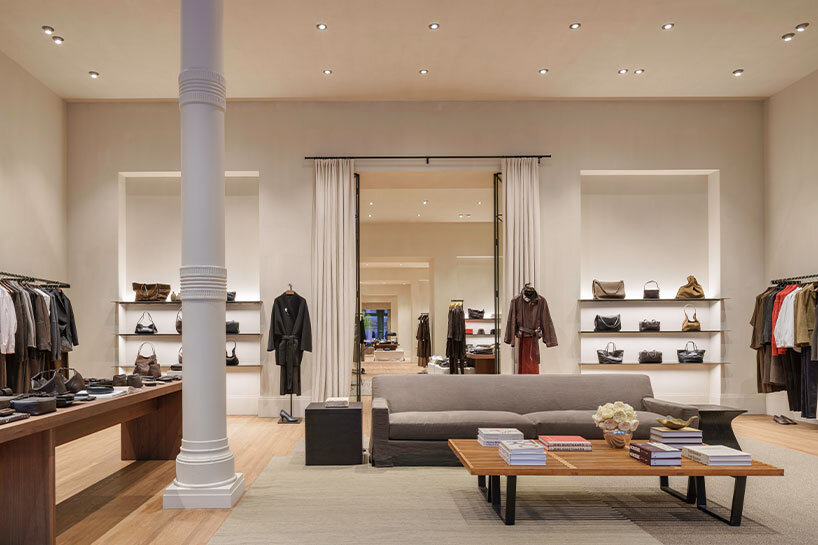
The physical anchor of this cultural introduction is the newly restored flagship store located at 575 Broadway. Situated within one of SoHo’s iconic historic landmarks, the interior design of the space pays careful homage to the neighborhood’s architectural legacy while embracing a modern, sophisticated aesthetic. The resulting environment is a masterclass in spatial design, blending local antiques with contemporary furniture across a sequence of interconnected rooms.
High ceilings and visible original cast-iron columns anchor the space, immediately recalling the atmosphere of classic downtown Manhattan interiors and artist lofts. Massimo Dutti has intentionally curated the environment to bridge photography, publishing, fashion, and fine art, transforming a traditional retail setting into an active stage for public programming and community collaborations.
Within this warm, wood-floored interior, shoppers and visitors encounter a thoughtfully designed layout that balances heritage with modernity. The store features specialized private Style Advisor fitting rooms, offering tailored services to clientele. Furthermore, handpicked garments displayed throughout the racks are identified by special editorial labeling, guiding shoppers through a curated selection of pieces that reflect a sophisticated, urban sensibility.
Patti Smith’s New York Through Unseen Archival Photos
At the heart of Massimo Dutti’s cultural programming is the special photography commission featuring the work of Steven Sebring. The exhibition at 260 Bowery offers an unprecedented look at Patti Smith, drawing from decades of candid documentation by Sebring. Following an exclusive private preview on October 16th, the showcase opened its doors to the general public, welcoming art lovers, music fans, and fashion enthusiasts to experience a deeply personal visual history of New York’s cultural vanguard.
The exhibition is further enlivened by public events, including a live, in-depth conversation between Sebring and representatives from The Theatre NYC on October 19th. This dialogue provides attendees with deeper context regarding the creation of the portraits, the nature of Sebring and Smith’s enduring creative partnership, and the evolving identity of downtown Manhattan over the past several decades. By grounding its debut in the lived history of New York’s artistic community, Massimo Dutti positions itself not merely as an international retailer, but as an appreciative guest and active participant in the city’s ongoing creative story.
Street-Level Activations Extend Across SoHo and Beyond
To ensure that the energy of the opening resonates throughout the city, Massimo Dutti has expanded its presence onto Manhattan’s sidewalks and community spaces through a series of strategic collaborations. Among these initiatives is a partnership with the independent culture and design publication Apartamento, resulting in a specially commissioned editorial city guide. Filled with insider recommendations curated by local creatives, the guide serves as an authentic navigation tool for exploring the city through the eyes of those who shape its cultural landscape.
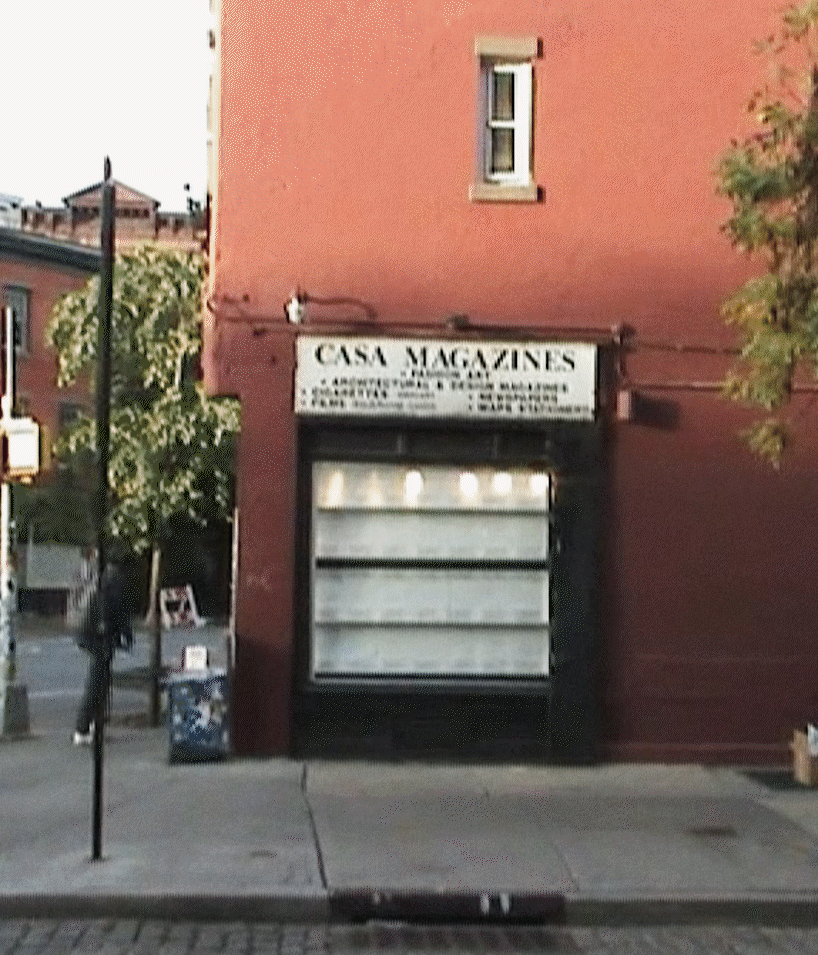
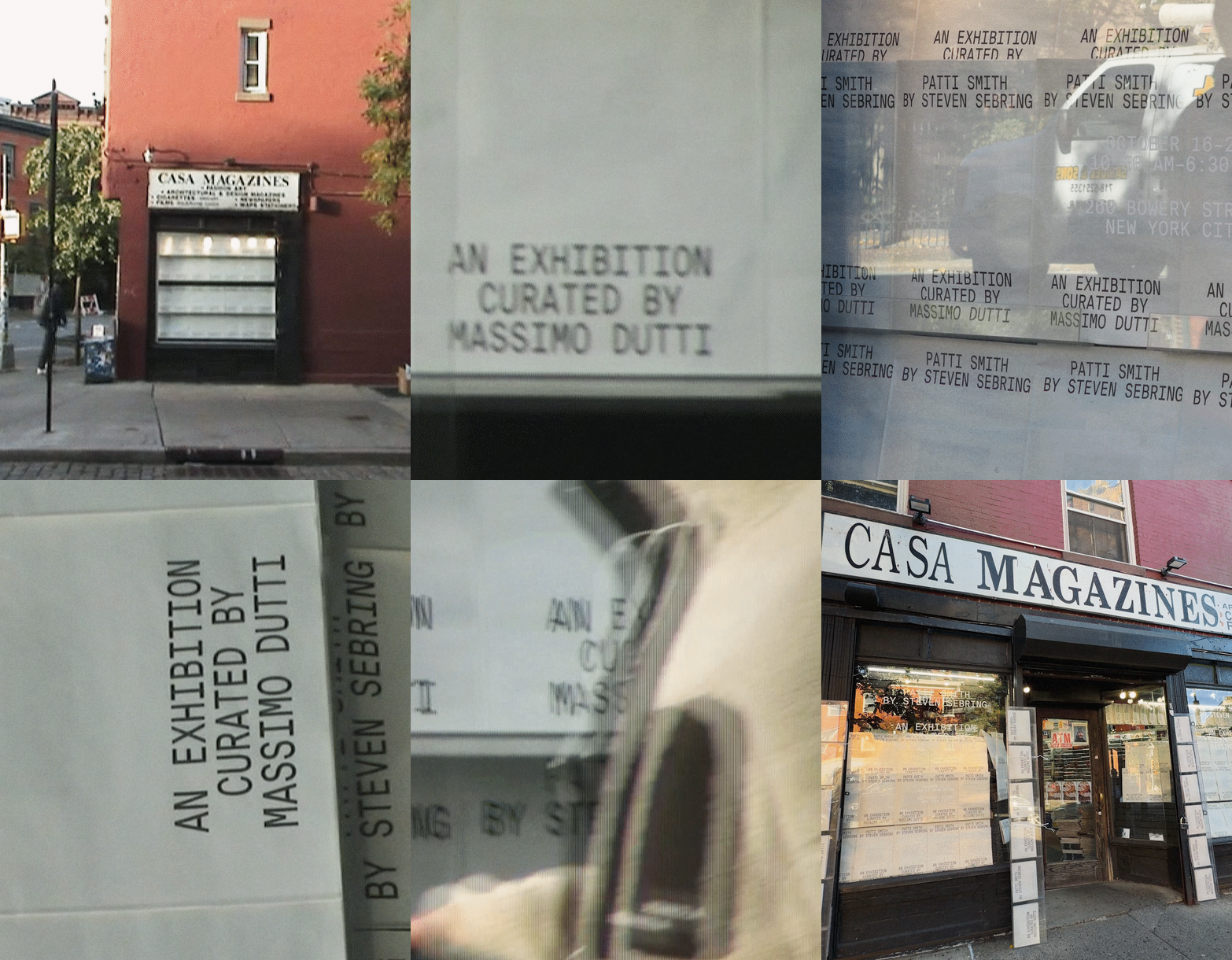
The footprint of these activations reaches into neighboring districts as well. In the West Village, the legendary independent newsstand and cultural landmark Casa Magazines has installed a dedicated window display tied directly to the Patti Smith archive. Visitors to Casa Magazines can pick up copies of the Massimo Dutti and Apartamento city guide at the cafe, blending everyday neighborhood routines with the broader cultural narrative of the brand’s arrival. Meanwhile, a striking graphic installation has taken over 145 Spring Street, further integrating the brand’s visual identity into the architectural texture of SoHo.
The comprehensive cultural program is scheduled to culminate on October 26th with a public conversation hosted by creative director and editor Jessica Diehl. Focusing on the themes of contemporary fashion, artistic creation, and editorial vision, the discussion will bring together diverse perspectives from within the creative industries. Through this diverse agenda of exhibitions, publishing projects, and public dialogues, Massimo Dutti has transformed a standard flagship store opening into a vibrant, city-wide celebration of art, fashion, and urban culture.