






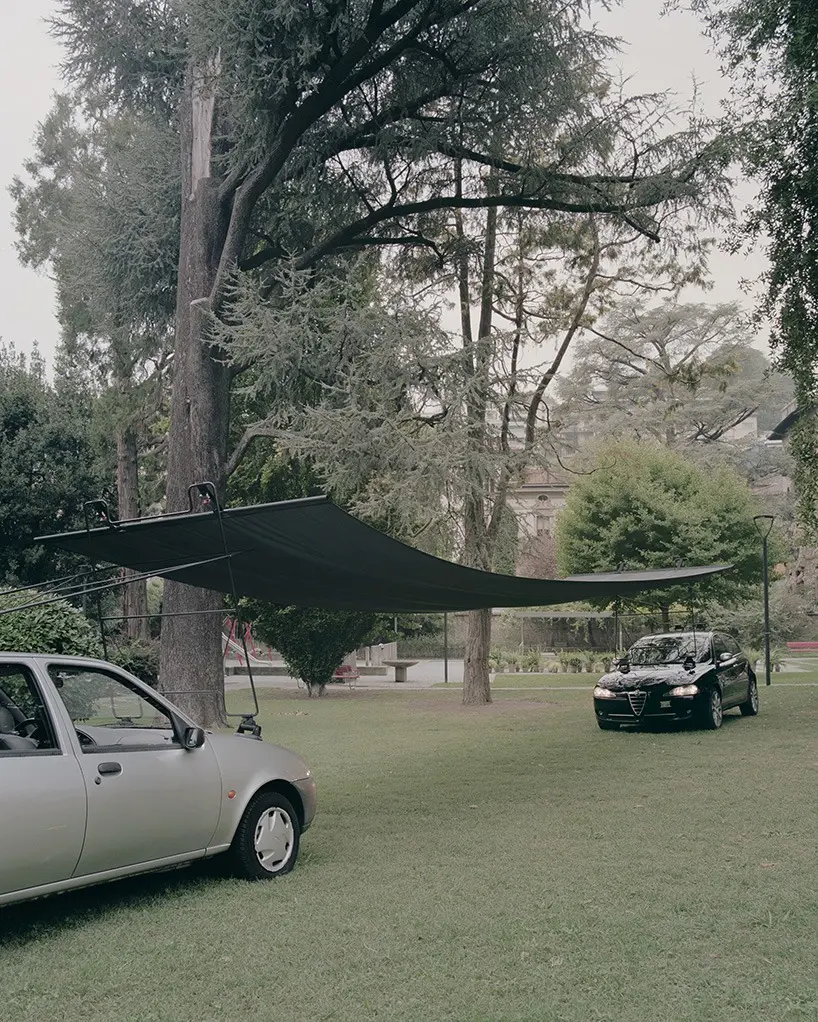
The future of sustainable architecture may very well be forged from the discarded remnants of our fossil-fuel past. In Switzerland, an innovative art and architectural installation titled It all remains, conceived by designer Giona Bierens de Haan, confronts a pressing environmental challenge head-on: the accumulation of automotive waste and the widespread practice of exporting end-of-life vehicles abroad. By challenging conventional perceptions of industrial scrap, the project reimagines decommissioned cars not as valueless refuse, but as robust structural building blocks and vital local resources for a post-fossil-fuel built environment.
The conceptual undertaking arrives at a critical juncture for Switzerland, where automotive culture is deeply ingrained in daily infrastructure. Currently, the country maintains nearly five million registered vehicles circulating domestically. This translates to an average of roughly 0.5 cars for every inhabitant, a dense concentration of private transport that inevitably feeds a continuous cycle of retirement and replacement. Each year, approximately 200,000 automobiles are officially removed from service across the nation.
However, the destination of these retired machines raises significant environmental and ethical questions. Statistics show that two-thirds of all decommissioned automobiles in Switzerland are exported beyond national borders, often shipped to developing nations or regions with significantly less stringent environmental regulations. This practice effectively outsources the heavy burden of domestic waste management, concealing the true ecological toll of the nation’s automotive consumption behind international logistics chains.
It all remains directly confronts this reliance on foreign markets to absorb domestic industrial waste. As the global economy slowly shifts its gaze toward a post-fossil-fuel future—one where traditional combustion-engine automobiles face inevitable obsolescence—designers and architects are forced to reconsider the material legacies left behind. Giona Bierens de Haan’s installation acts as both a critique of current export-heavy disposal models and a visionary proposal for local material revalorization.
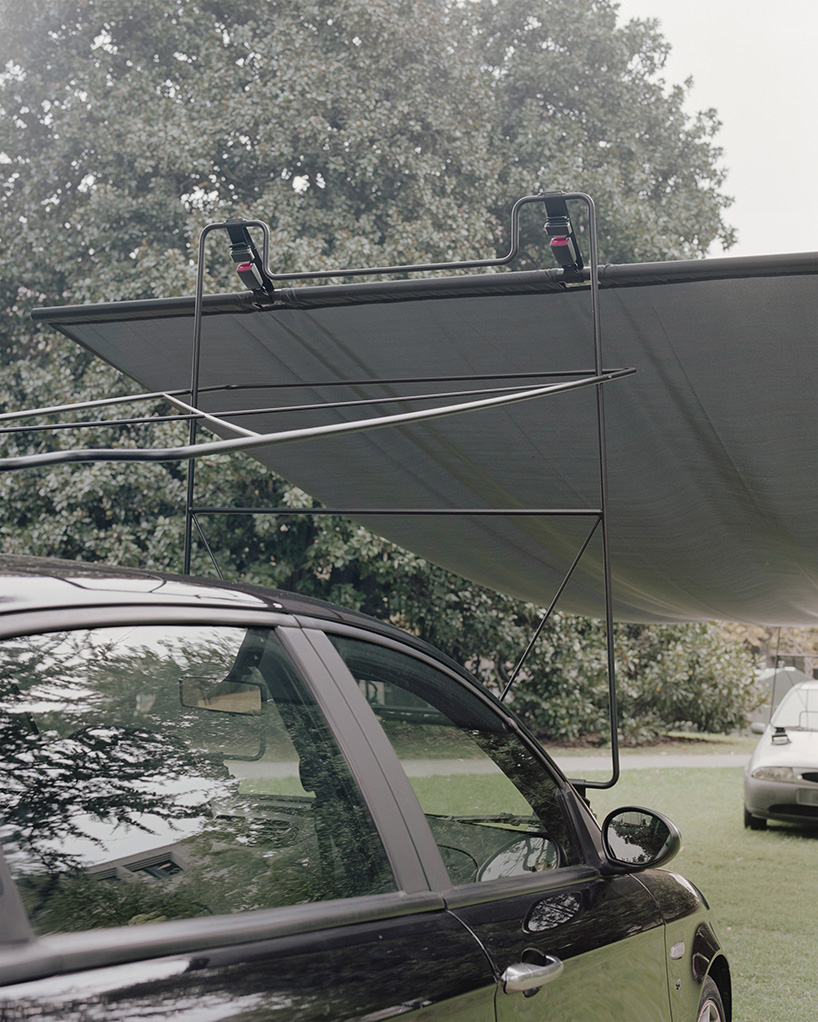
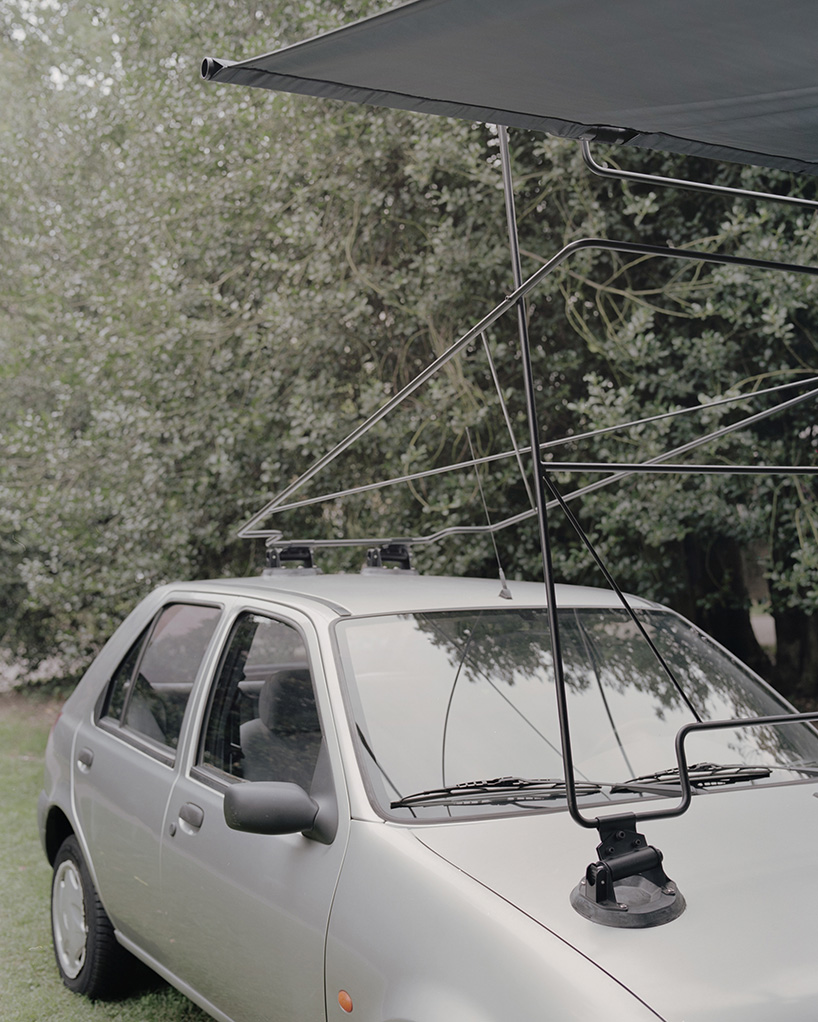
At the heart of the project is a fundamental shift in material categorization. Instead of treating crushed cars, chassis, frames, and complex metal assemblies as hazardous waste or low-value scrap destined for distant processing plants, the installation treats them as pre-fabricated structural components. Modern vehicles are engineered with immense precision, utilizing high-strength steels, durable polymers, and rigid geometric cages designed to withstand severe impacts. By repurposing these hidden architectural potentials, the designer suggests that obsolete cars can serve as foundational building blocks for future construction projects.
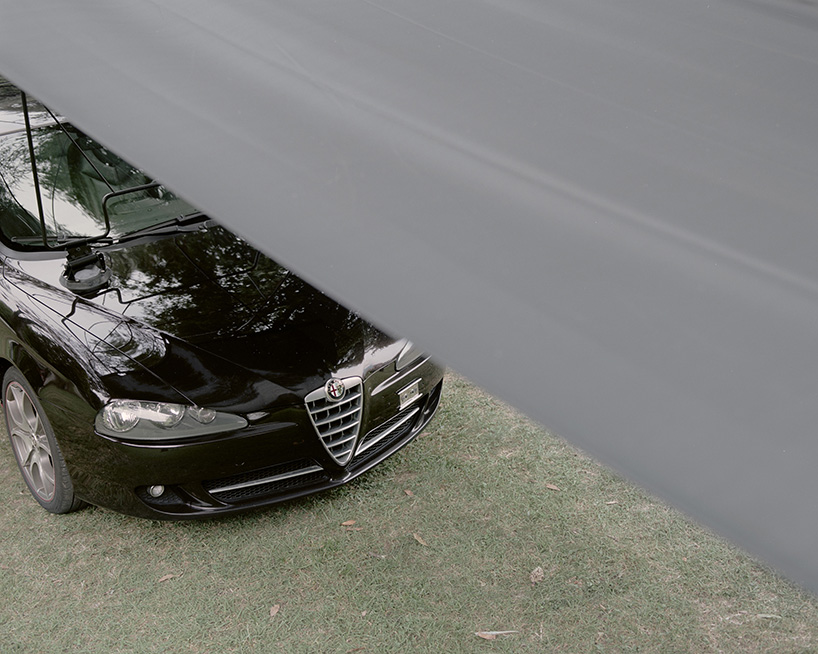
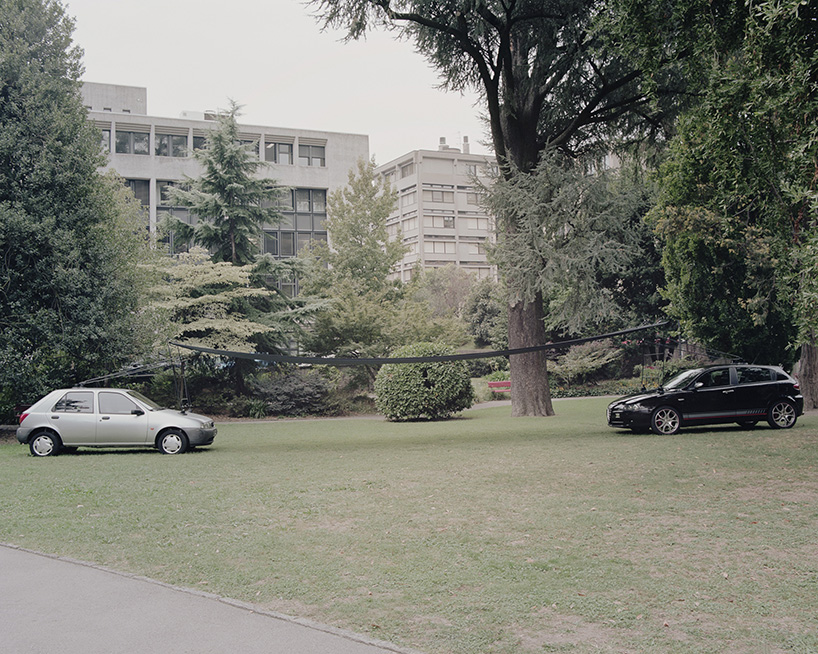
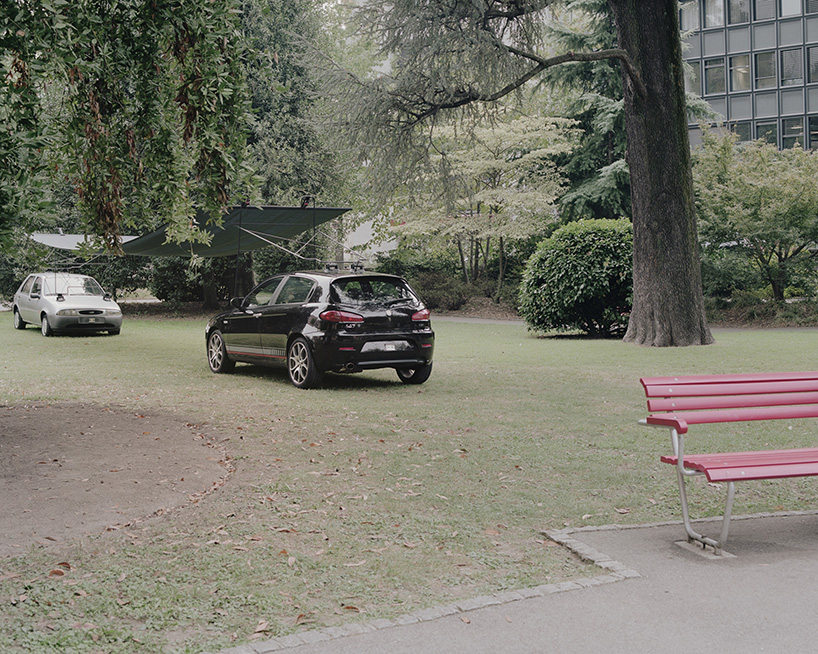
The visual and conceptual presentation of It all remains translates these dense systemic critiques into tangible, provocative forms. Through a meticulous series of images documenting the project, the installation showcases how automotive components can be deconstructed, recontextualized, and stacked to form structural arrays. The heavy steel frames and curved body panels, once designed to aerodynamic perfection for highway transit, find new life as load-bearing elements, exploring the aesthetic and functional intersections between industrial design and structural engineering.
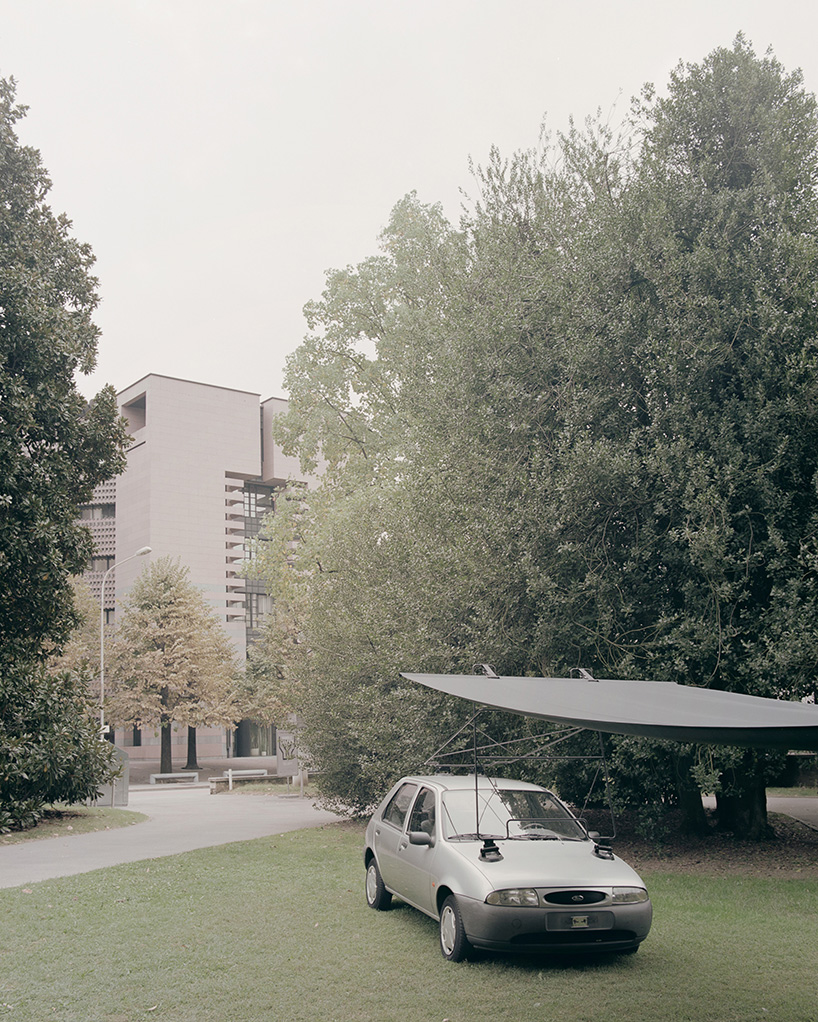
This approach speaks to a broader, growing movement within contemporary architecture that seeks to close the loop on material lifecycles. As virgin raw materials become scarcer and the environmental costs of manufacturing new building elements continue to rise, urban miners and architectural visionaries are looking toward existing man-made landscapes as the quarries of the future. By treating the Swiss car fleet as an urban mine waiting to be tapped, Bierens de Haan highlights the paradox of modern material wealth: societies often discard precisely the heavy, durable resources that future low-carbon construction will desperately need.
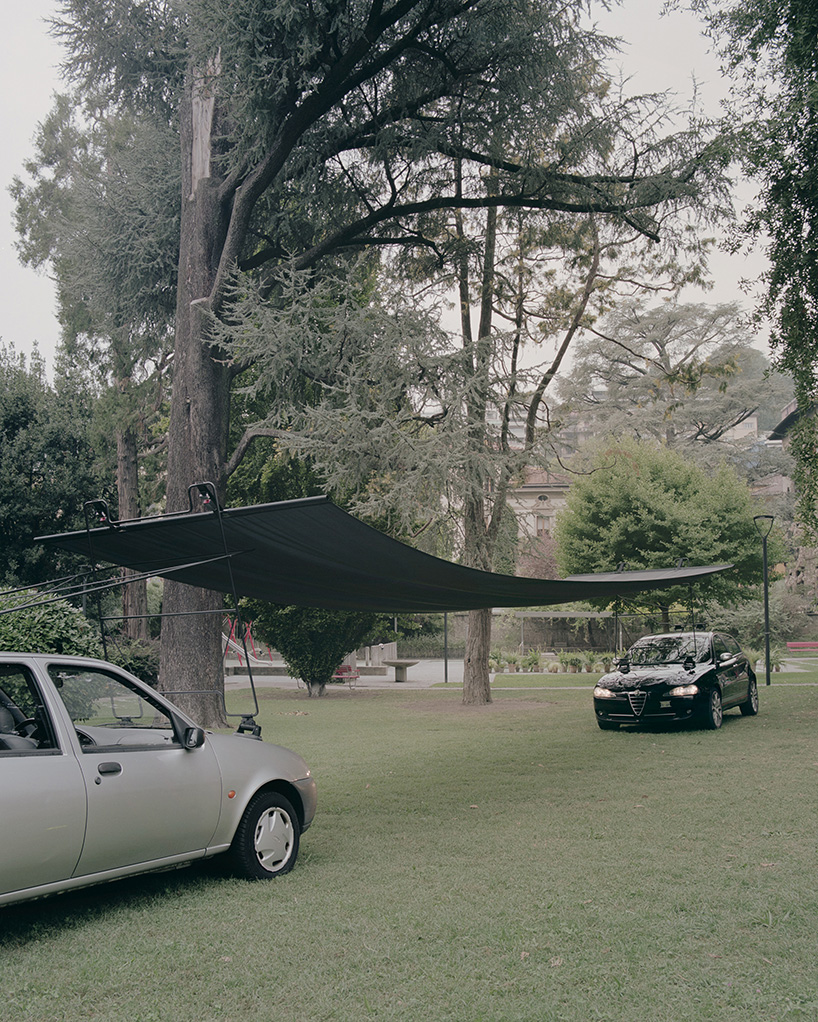
The installation also serves as a stark reminder of the spatial and material footprint generated by personal mobility. By translating the abstract statistics of 200,000 annual vehicle retirements into physical architectural elements, It all remains forces viewers to confront the sheer scale of the automotive apparatus. It challenges policymakers, architects, and the public to rethink the entire lifecycle of industrial goods, urging a transition from a linear take-make-dispose model to a circular paradigm where nothing truly disappears, but rather is continually reimagined.