





The Hague – In a significant shift in diplomatic and political rhetoric, Dutch Defence Minister Dilan Yeşilgöz has begun explicitly referring to Russia as “the enemy” rather than the traditional designation of “the aggressor.” While the right-wing liberal VVD minister emphasized that this linguistic pivot does not represent an immediate or radical overhaul of national security policy, the change underscores a sobering assessment of the growing threats facing the European continent.
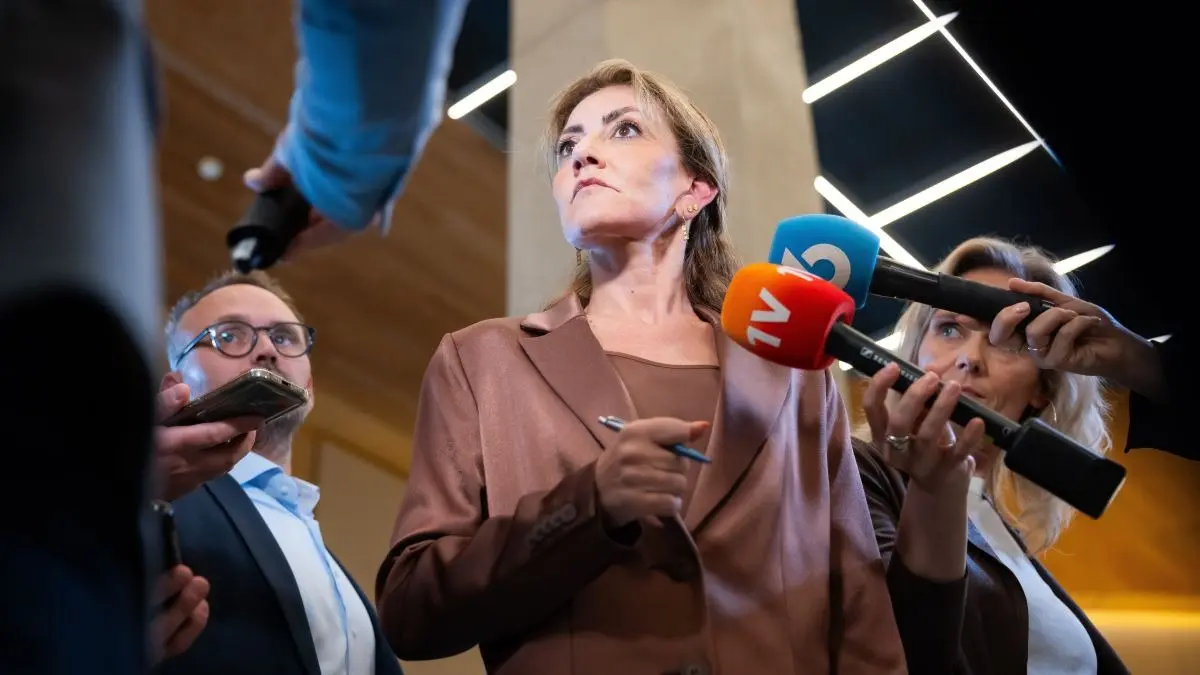
The terminology was deployed by Yeşilgöz during a parliamentary debate dedicated to the national defence budget. Speaking to public broadcaster NOS during a break in the proceedings, the minister explained that a persistent and alarming rise in hostile activities across Europe—including acts of sabotage, provocative drone incursions, and coordinated political intimidation—has made it necessary to abandon diplomatic ambiguity and name the threat plainly.
"It is very clear that Russia is presenting itself as the enemy," Yeşilgöz told NOS. "That does not mean we are at war or that we will suddenly take a completely different approach."
This frank assessment arrives against a backdrop of mounting geopolitical anxiety. In August, the Dutch cabinet published a controversial draft law designed to grant the country’s domestic intelligence service, the AIVD, and its military intelligence counterpart, the MIVD, sweeping new powers. The proposed legislation specifically targets state actors deemed to be hostile, namely Russia, China, and Iran, aiming to equip security agencies with the legal tools necessary to counter sophisticated foreign interference.
A "New Reality" on the Continent
Elaborating on her remarks, Yeşilgöz noted that while Moscow has long been recognized as the single largest security threat to Europe, the nature and intensity of the danger have metastasized into what she described as a "new reality." Vladimir Putin, she argued, is actively and continuously testing the structural resilience and collective resolve of Western alliances.
According to the defence minister, security experts and geopolitical analysts strongly advised that policymakers begin calling things by their proper names, matching their public rhetoric to the gravity of the threat landscape.
The underlying strategic posture of the Netherlands, however, remains consistent with the policies adopted immediately following the Kremlin’s full-scale invasion of Ukraine. This approach has prioritized increased defence spending, military modernization, and deeply integrated cooperation with European and NATO allies. "We were not naive before and we will not become naive now," Yeşilgöz asserted, defending the continuity of the nation’s strategic direction.
The urgency underpinning her statements echoes findings released earlier in the year. In April, the AIVD published its comprehensive annual report, warning that the state of national security in the Netherlands was under greater pressure than at any time since the conclusion of the Second World War. The report highlighted a complex web of cyberattacks, espionage operations, and covert influence campaigns designed to destabilize democratic institutions.
Oversight Concerns and Legal Pushback
Despite the broad political consensus regarding the reality of the Russian threat, the legislative measures proposed to combat it have ignited a fierce domestic debate concerning civil liberties and democratic oversight.
Under the terms of the draft law currently moving through the legislative pipeline, the Dutch intelligence services would be empowered to formally designate certain entities as "evident adversaries," such as specific branches of Russian intelligence. Once an entity is classified as such, the agencies would be authorized to take direct action against individuals believed to be working on their behalf. Crucially, this would allow security personnel to bypass the requirement of obtaining prior permission from an independent watchdog. Instead, a single new regulatory body would conduct a review after the fact to determine whether the actions taken were lawful.
Furthermore, the legislation would grant intelligence agencies the authority to demand sensitive information and data from a wide array of civil organizations, including financial institutions, universities, and major online platforms.
These proposed expansions of executive power have met with stern resistance from the very institutions tasked with safeguarding the rule of law. Independent watchdogs responsible for overseeing the AIVD and MIVD have voiced profound misgivings about the direction of the legislation. Hugo Hillenaar, chair of the independent intelligence review committee CTIVD, delivered a stark warning during an interview with NOS last month, cautioning that the sweeping changes could ultimately undermine the democratic rule of law itself by eroding essential checks and balances.