




The United States has announced sweeping financial and operational sanctions against the International Criminal Court, marking a dramatic and unprecedented escalation in the Trump administration’s ongoing campaign against the global tribunal.
The aggressive new measures, unveiled by US Secretary of State Marco Rubio, target the institution itself rather than just individuals associated with it. This move represents a sharp departure from previous tactics and threatens to fundamentally disrupt the daily operations of the world’s permanent war crimes court, which is headquartered in The Hague in the Netherlands.
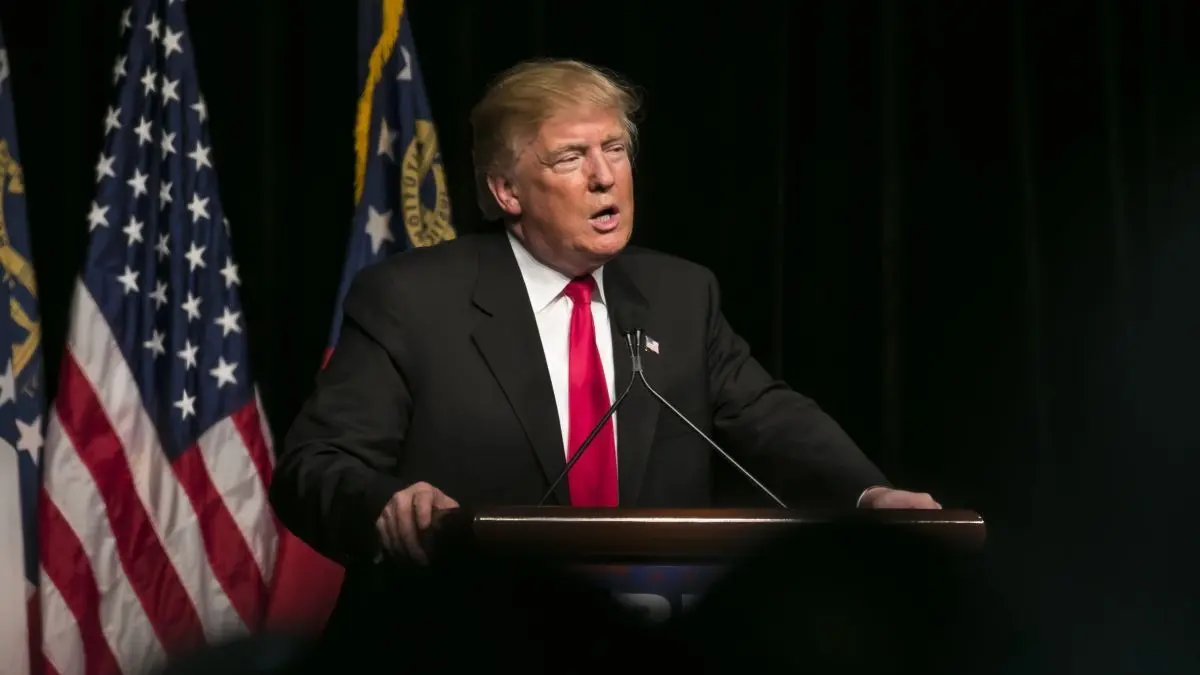
“We will ban transactions with this rogue court, cutting off their resources and crippling its ability to operate,” US Secretary of State Marco Rubio declared during the official policy announcement.
Under the newly enacted measures, the International Criminal Court will be effectively severed from any American companies, financial institutions, and organizations. This sweeping restriction includes vital technological service providers, banking networks, and operational infrastructure reliant on US-based platforms, which legal and administrative experts warn could paralyze the court’s case management systems and financial transactions.
The Trump administration has long held a deeply adversarial relationship with the tribunal. Previous policy statements from Washington have explicitly pledged to dismantle the international judicial body “brick by brick.” While the administration had previously imposed targeted sanctions and travel restrictions on 13 current and former staff members of the court, Friday’s announcement marks the first time that comprehensive sanctions have been levied directly against the institution as a whole.
The announcement immediately drew fierce condemnation and swift pledges of defiance from the host nation. Ahead of the formal US declaration, Dutch Prime Minister Rob Jetten signaled that the Netherlands would firmly protect the tribunal, vowing that the country would defend the ICC “stone by stone.”
Dutch Foreign Minister Tom Berendsen echoed the prime minister’s sentiments in a formal governmental statement, decrying the US decision as a dangerous and counterproductive move that threatens the global rules-based order.
“The announced sanctions against the International Criminal Court are an undesirable new escalation,” Berendsen stated. “I deeply regret this new step.” As the host country of the ICC, the Netherlands has historically taken on a primary diplomatic and logistical role in safeguarding the security, independence, and operational integrity of the court and its personnel.
The timing of the American sanctions added another layer of diplomatic friction, coming just hours after a major international accolade was awarded in Europe. South African jurist Navi Pillay, who has a distinguished career serving as a judge at both the International Criminal Court and the International Court of Justice in The Hague, was awarded the Nobel Peace Prize.
The recognition of Pillay’s lifelong dedication to international law and human rights drew global praise, but it also coincided awkwardly with Washington’s intensifying hostility toward international judicial institutions. US President Donald Trump has long made clear his personal fascination with the Nobel Peace Prize, having frequently complained to reporters and international interlocutors that he believes he deserves the prestigious award himself. Earlier in the week, Trump reiterated his grievance to reporters, asserting that he was personally responsible for bringing an end to eight separate armed conflicts around the globe and therefore warranted the honor.
The confluence of the Nobel Peace Prize announcement and the crippling economic sanctions against the ICC highlights a widening chasm between the United States and its European allies regarding the enforcement of international law and accountability for global atrocities. As the fallout from Washington’s latest decree begins to unfold, officials in The Hague, alongside international legal advocates and diplomats, are left assessing how the tribunal can maintain its vital investigations into war crimes, crimes against humanity, and genocide while locked in an existential financial and political conflict with a global superpower.