





As LGBTQ+ History Month is observed across the United States, Canada, and Australia, a critical conversation is once again taking center stage regarding how consumers choose to support the queer and trans community through their purchasing habits. For years, the mainstream retail and fashion industries have treated the promotion of LGBTQ+-owned enterprises as a seasonal, fleeting marketing exercise. This performative support often manifests as a temporary corporate logo redesign featuring rainbow colors during designated pride periods, engineered primarily to drive short-term consumption rather than foster genuine, long-lasting change.
Critics and industry watchdogs point out that these same massive commercial entities frequently fail to ensure that the LGBTQ+ community—both broadly in society and specifically within their own complex global supply chains—receives ongoing, meaningful support, protection, or economic empowerment. This systemic disconnect was recently highlighted in a comprehensive report on the fashion industry’s prevailing trends of "pinkwashing" and subsequent "pinkhushing," spearheaded by Good On You brand director JD Shadel. According to the findings, many fast-fashion giants and large multinational brands that enthusiastically display rainbow logos throughout Pride and history months routinely manufacture their garments and products in countries and regions where queer and trans individuals face severe social stigma, systemic discrimination, and legal persecution. Crucially, these corporations rarely use their immense market influence or financial leverage to advocate for human rights or local protections in those vulnerable jurisdictions.
Industry analysts emphasize that true solidarity requires a structural shift in consumer behavior. Rather than buying mass-produced, transient merchandise from massive corporations that view inclusion as a temporary quarterly trend, advocates argue that making a conscious effort to shop from LGBTQ+-owned brands as a regular, year-round purchasing practice is a far more impactful approach. This sustained economic engagement directly helps to uphold the livelihoods, creative autonomy, and overall wellbeing of entrepreneurs and workers within the community.
To help bridge the gap between intention and action, sustainability-focused evaluation networks have highlighted a selection of top-rated independent labels owned and operated by members of the LGBTQ+ community. These businesses have been rigorously assessed by independent analysts for their measurable performance across key sustainability metrics, evaluating their holistic impact on people, the planet, and animal welfare. By relying strictly on publicly available evidence and corporate transparency regarding their operations, these assessments aim to encourage accountability and deeper disclosure across the retail landscape.
Among the recognized enterprises championing both ethical production and community ownership is Disruptor London, a PETA-approved vegan beauty brand dedicated to replacing traditional, high-impact personal care items with alternatives engineered for a lower environmental footprint. The company operates under five core operating principles: ingredient transparency, responsible consumption, waterless formulas, responsible manufacturing practices, and entirely plastic-free packaging. By redefining what conscious personal care looks like, the brand demonstrates that ethical manufacturing and inclusive ownership can go hand in hand without compromising product efficacy or environmental responsibility.
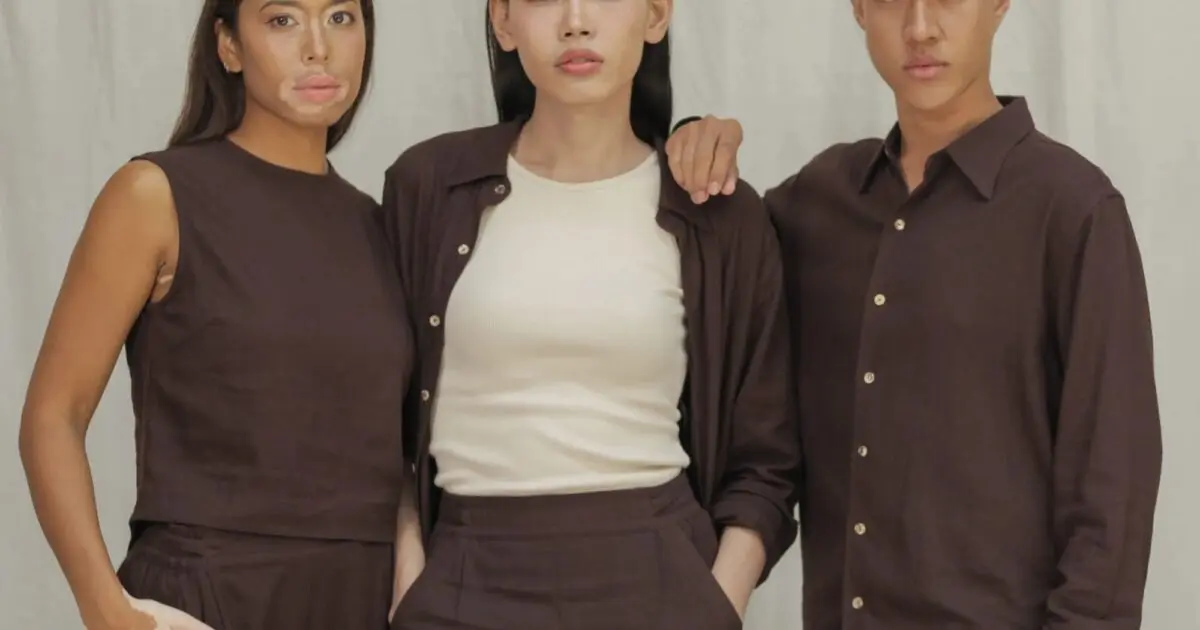
Another notable name within the conscious fashion space is Dorsu, a clothing label rooted in Cambodia that focuses on the creation of everyday basics and signature wardrobe staples designed to form the foundational core of a sustainable closet. By maintaining local production operations and adhering to transparent labor standards, Dorsu addresses the chronic issues of exploitation that have long plagued traditional garment manufacturing regions. The brand offers its inclusive core ranges in sizes ranging from extra-small to extra-large, proving that ethical basics can be accessible while keeping environmental degradation to a strict minimum.
Similarly, Kampos, a luxurious European brand originating in Italy, approaches conscious consumption through the lens of marine conservation and ecological integrity. Driven by a mission to combat the escalating global crises of over-fishing and severe marine pollution, the brand creates distinctive apparel and swimwear crafted from innovative materials, including recycled plastic bottles, discarded fishing nets, and other lower-impact organic fabrics. Operating with a clear vision for future generations, Kampos makes most of its products available in extended sizing from extra-small to double-extra-large, marrying high-end design with rigorous environmental accountability.
While these brands represent a cross-section of the enterprises currently meeting high standards for ethical and environmental performance, industry observers note that this list is far from exhaustive. There remains a vast ecosystem of smaller, independent queer and trans-owned labels that have yet to undergo formal rating processes but nonetheless deserve consumer attention and patronage. As LGBTQ+ History Month prompts renewed reflection on corporate allyship, the overarching message from sustainable fashion advocates remains clear: structural support for marginalized communities requires looking past temporary corporate marketing campaigns and investing directly in the independent businesses that build a sustainable, equitable future every day of the year.