






Growing up in California, wellness was treated as a kind of civic religion—and, among certain circles, a regular source for lighthearted jokes. Evian water and fat-free frozen yogurt were frequent punch lines of a bygone era, while crystals were inherently funny and continue to be viewed with skepticism by many. Yet beneath all that cultural eye-rolling, a foundational idea was absorbed almost without notice: the choices people make each day, from what they eat to how they move, fundamentally shape how well and how long they live.
That once-quirky belief feels almost quaint today. The modern landscape has shifted dramatically, and the line between everyday wellness and advanced medical science is increasingly blurred. Nowhere is this fusion more evident than in the booming global longevity industry, a sector where a single, overriding question drives all others: Exactly how much control can human beings exert over the way they age?
That driving question serves as the core theme of Robb Report’s inaugural wellness issue, marking a significant milestone for the publication as it explores the intersection of luxury, health, science, and the human desire to cheat time.
The pursuit takes many forms across the pages of the new issue, starting with genetic fortune. In his feature article for the magazine, editor at large Mark Ellwood investigates one possible answer to the longevity puzzle. His exploration begins with a simple, routine blood test—and yields an unexpectedly positive piece of news instead of uncovering a hidden disease risk. Ellwood learns that he carries KL-VS, a rare and advantageous genetic variant that helps the human body produce higher levels of Klotho.
Klotho is a specialized protein strongly associated with healthier, more resilient aging. While researchers around the globe study its immense potential to protect the human brain and other vital organs as individuals grow older, the commercial longevity sector has aggressively pounced on the discovery. Experimental Klotho treatments and therapies are already being made available abroad, with price tags that reach well into the six-figure range. Armed with what feels like a genetic jackpot, Ellwood sets out to discover whether the protein might truly change the biological reality of how we age—or whether the burgeoning longevity sector has simply found a lucrative new way to package and sell an old, familiar human fantasy.

While some individuals search for biological advantages through proteins and genetics, the relentless pursuit of a longer life can also take a much darker, psychologically taxing turn. Tori Latham, a staff writer for the publication, examines a phenomenon known as longevity-fixation syndrome. While it remains an unofficial diagnosis, it describes a very real and increasingly prevalent problem: people who become so utterly consumed with living longer that their mental health, emotional well-being, and personal relationships begin to suffer profoundly.
What often starts as a reasonable, health-conscious desire to prevent disease and maintain vitality can gradually escalate into a cycle of constant testing, obsessive tracking, and rigid daily routines built around an ever-growing roster of supplements, restrictive diets, and experimental remedies. The warning signs of this fixation can frequently be easy to miss from the outside, primarily because the obsessive behavior often masquerades as high-level discipline and self-care. However, once the regimen begins to aggressively crowd out the rest of a person’s life, hobbies, and social connections, the obsession can do genuine psychological and emotional harm. Summarizing the danger of this extreme mindset, one physician interviewed by Latham offers a striking caution: it is entirely possible to optimize the life out of your life.
To truly understand what the modern market offers, the magazine’s editorial team wanted to test the longevity sector’s ambitious promises firsthand rather than relying solely on theoretical science or cautionary tales. To that end, five Robb Report writers recently checked into some of the leading luxury wellness retreats and specialized medical clinics located around the world to evaluate what these facilities actually deliver to their clients.
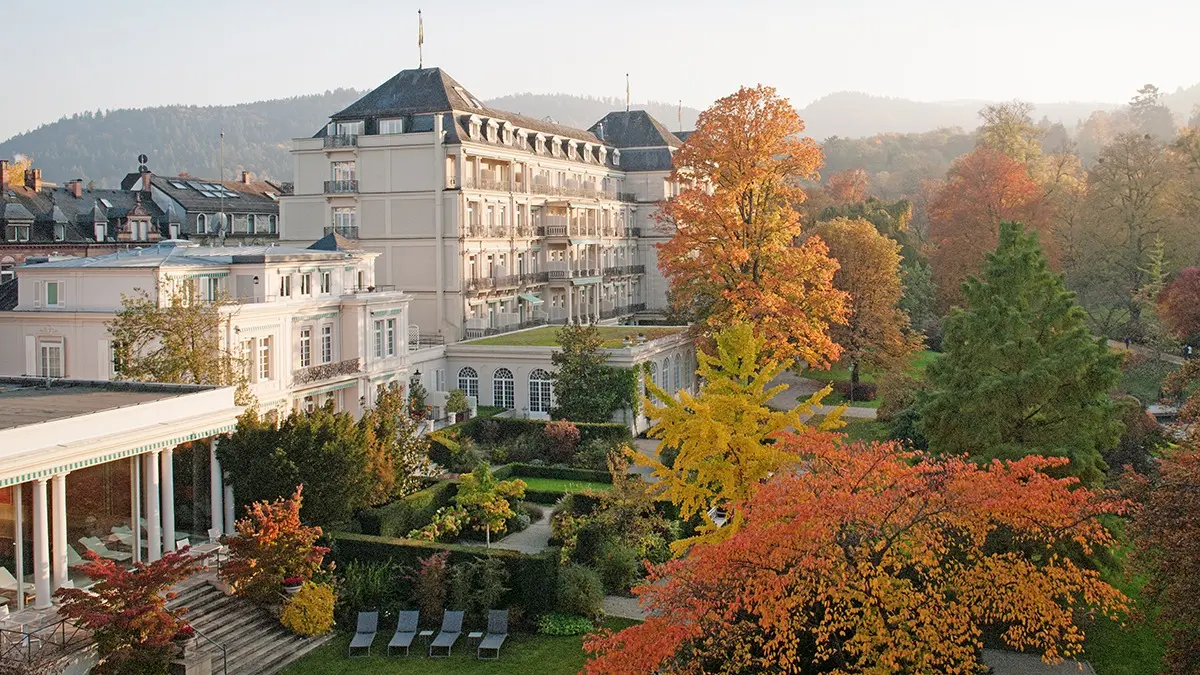
During their undercover or reporting assignments, the writers submitted to an array of intensive and sometimes futuristic procedures. They experienced everything from blood washing and advanced cryotherapy in Germany to ozone infusions and sessions inside a high-tech Human Regenerator machine at a wellness retreat in Mexico. Their collective mission was straightforward yet demanding: to report candidly and objectively on the entire experience, carefully weighing any physical or mental benefits against the hefty, often exorbitant investments of both time and money required.
The resulting accounts reveal just how far affluent individuals are willing to go—and precisely how much capital they are prepared to spend—in the desperate hope of living better, healthier, and longer lives. The journalistic experiments yielded mixed results. Some of the specialized treatments provided a noticeable, tangible difference in how the writers felt, while others ultimately raised far more scientific questions than they answered.
Despite the variable efficacy of individual treatments, one overarching reality became unmistakably clear by the end of the reporting process. Within a broader global wellness economy that is projected to reach nearly $8 trillion, the specialized sector of longevity has officially transformed into serious, high-stakes business. The days of dismissing the pursuit of eternal youth as a harmless California punch line are officially over, and within this multi-trillion-dollar market, nobody is joking anymore.