




Richard Avedon remains perpetually in fashion, a testament to a career defined not merely by the garments he photographed, but by an enduring curiosity about the inner lives of his subjects. Whether framing impossibly glamorous high-fashion models, political activists, or the raw countercultural energy of punks, Avedon consistently sought out the authentic human being beneath the surface. This penetrating approach serves as the foundational lens for a new feature-length documentary directed by Ron Howard simply titled Avedon, slated for release on Netflix on November 11.
The arrival of Howard’s documentary coincides perfectly with a major cultural moment for the legendary photographer’s legacy, highlighted by the exhibition Richard Avedon: Hollywood at the prestigious Gagosian gallery in Beverly Hills. Together, these events underscore Avedon’s monumental influence on visual culture, photography, and fashion history, a trajectory brilliantly illuminated by his historic tenure at top-tier fashion publications.
Avedon’s journey in magazine publishing reached a legendary peak in 1966 when he followed legendary editor Diana Vreeland from Harper’s Bazaar to Vogue, embarking on a groundbreaking twenty-three-year collaboration with the latter publication. During this tenure, Avedon consistently pushed the boundaries of editorial layout and photographic storytelling, creating immersive visual narratives that redefined how readers consumed fashion.
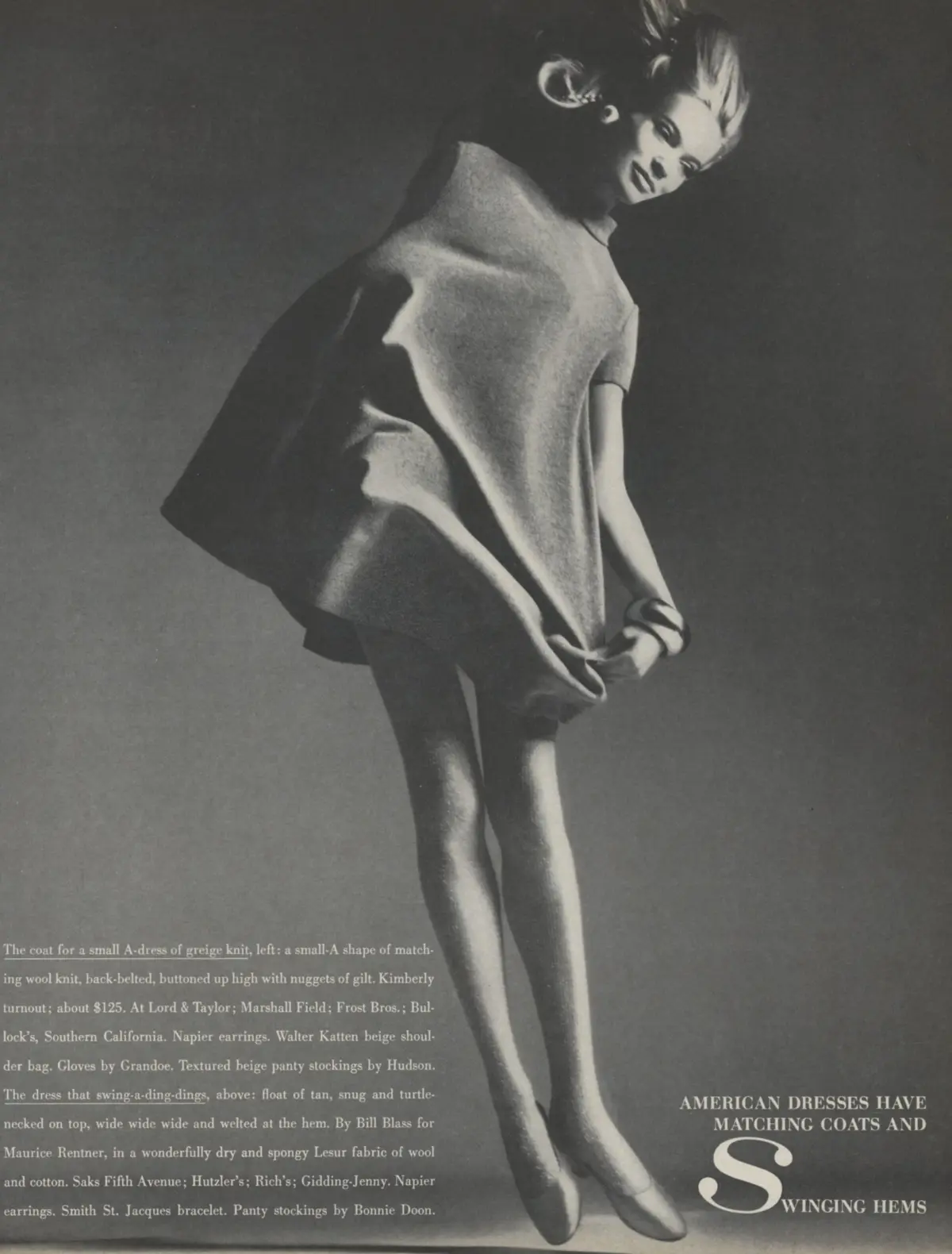
Among these monumental achievements is a sprawling twenty-five-page editorial published in the March 1, 1967, issue of Vogue, titled “Vogue’s Eye View: Fashion for Everyone—American Dresses Have It.” The monumental spread captured the striking German-born model Veruschka, whom Avedon famously regarded as “the most beautiful woman in the world.” Describing her unique presence, Avedon noted that her beauty “demands something and you must extend yourself to meet the challenge or know that a kind of splendor is lost to you forever.”
Far from losing that splendor, the resulting images capture Veruschka in perpetual, dynamic movement, serving as a powerful visual document of the deep creative symbiosis that existed between the master photographer and his muse.
The March 1967 feature arrived at a fascinating crossroads for American style, capturing a moment when ready-to-wear fashion was democratizing rapidly, bringing exciting, wearable design to a broader public than ever before. The original magazine copy accompanying Avedon’s images captured the infectious enthusiasm of the era, posing the central question of the season: What is genuinely new about dresses?
The answer, as the magazine articulated, was comprehensive: twelve months a year, spanning day, night, and every occasion in between, the dress had emerged as the ultimate wardrobe staple that every consumer desired. Through the unique magic of American ready-to-wear manufacturing, what everyone wanted, everyone could suddenly get.

The pages that followed unspooled a vibrant array of wonderful, wearable, amusing, and nifty new designs that consumers had been eagerly anticipating. The editorial showcased a diverse landscape of silhouettes that defined late-1960s modernism: one-piece dresses featuring sharply belted waists, two-piece ensembles pairing chopped tops with bouncing skirts, and narrow knit dresses accompanied by matching coats.
The breadth of the spread also highlighted floaty garments with pretty-baby sleeves, versatile black wool dresses tailored for both daytime wear and evening dinner engagements, and electrifying white dresses designed to light up the room. Among the most innovative pieces highlighted in the text were novelty items described as the real, switchy, live-wire thing—white dresses equipped with shiny red hearts that flashed in the dark.
The visual feast continued through short evening creations featuring flounced hems, tilted hems, and jewelled hems, alongside short chiffon garments rendered in bold, voyant prints. The editorial also embraced long, flowing silhouettes with caftan-like languor, alongside bare dresses, covered dresses, and even avant-garde paper dresses designed to push the envelope of traditional textile manufacturing.
As the magazine’s copy emphasized, American dresses truly had it all—delivering fashion for everyone across pages and pages of innovative editorial design. The massive twenty-five-page production was a collaborative triumph, featuring signature coiffures by Ara Gallant and Dynel hairpieces by Tovar-Tresses.
The specific garments and accessories highlighted throughout the spread reflected the pinnacle of late-sixties retail and design talent. Among the standout looks was a white wool two-piece ensemble featuring a chopped top and a dirndl bounce skirt, designed by Chester Weinberg. This look was expertly accessorized with earrings by Charles Elkaim, a handbag by La Bagagerie, gloves by Hansen, a hat by Mr. John, stockings by Beautiful Bryans, and shoes sourced from Saks Fifth Avenue.
Originally immortalized by Richard Avedon’s camera in the spring of 1967, these images continue to resonate decades later, preserved by The Richard Avedon Foundation. As Ron Howard’s documentary brings fresh perspective to Avedon’s life and career alongside the Gagosian gallery’s retrospective exhibition, the fashion world is once again reminded of the photographer’s unmatched ability to freeze time, capture dynamic motion, and reveal the vibrant soul of style through the camera lens.