





In the dynamic intersection where computational precision meets the whimsical narrative of classic literature, multidisciplinary designer Mustafa Başaran and his studio, Gliese Design, have introduced their latest creation: the Ondu Wonderland Collection. Emerging from the studio’s broader, ongoing material research into natural balance and geometric proportions, this newly unveiled series comprises a curated range of 3D-printed table lamps, statement vases, and architectural candle holders. Manufactured entirely through sustainable biopolymers and advanced additive layering techniques, the collection successfully translates surrealist thematic elements into functional, low-impact domestic objects designed to enrich contemporary living spaces with both environmental mindfulness and storytelling design.
The Izmir-based studio’s new series draws its primary inspiration from the playful, logic-defying surrealism of Lewis Carroll’s literary universe. By channeling the whimsical essence of Alice in Wonderland, Gliese Design bridges the gap between cold, high-tech digital fabrication and the evocative warmth of narrative-driven interior decor. Each object within the series acts as a subtle storyteller on the tabletop, inviting quiet curiosity and encouraging viewers to discover new dimensional details with every glance. Rather than treating technology merely as a tool for rapid prototyping, Başaran employs advanced digital manufacturing to evoke a sense of theatrical wonder, proving that high-tech production methods can possess a deeply human, artistic soul.
Where Digital Fabrication Meets Surrealism
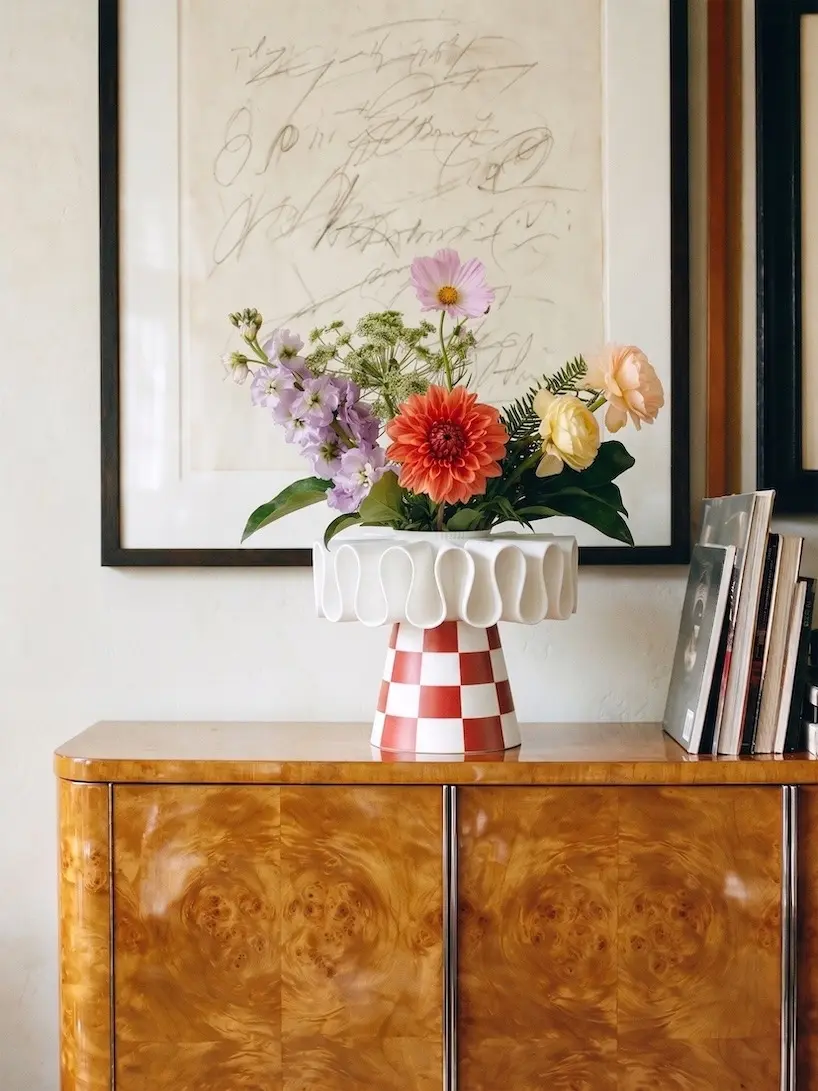
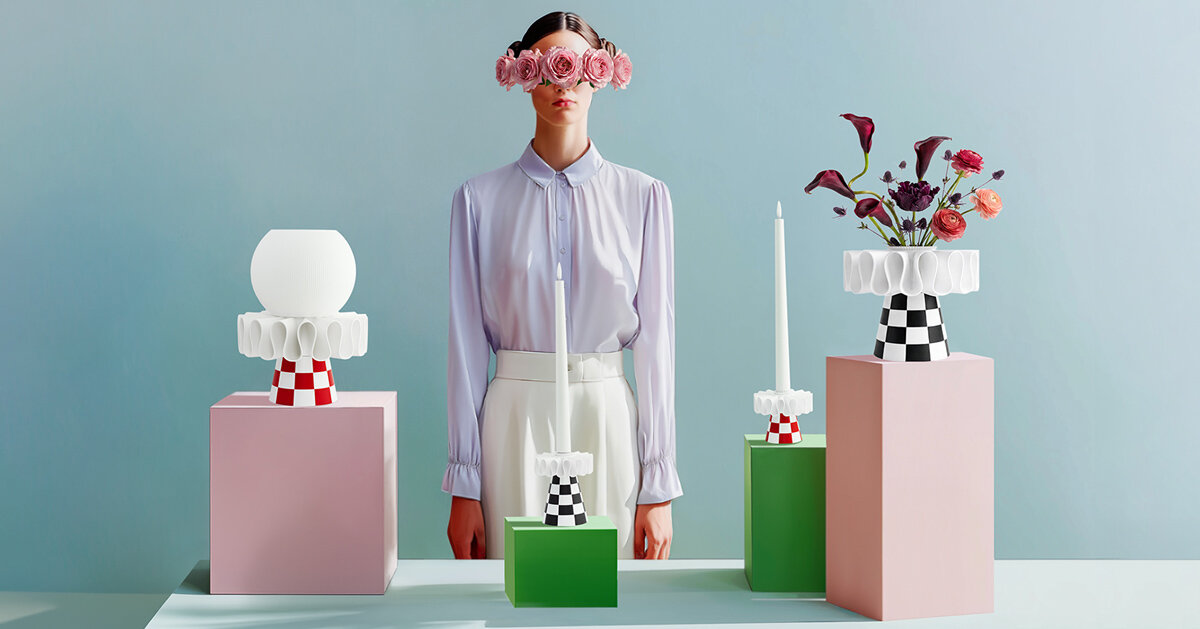
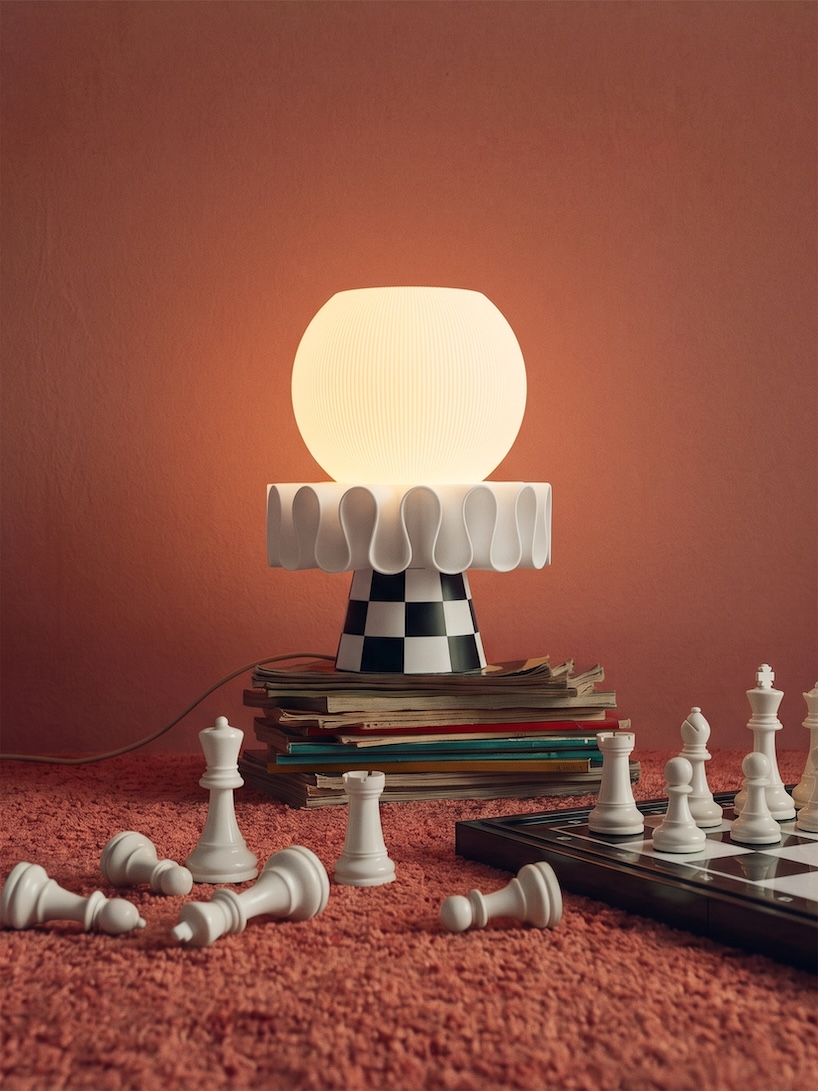
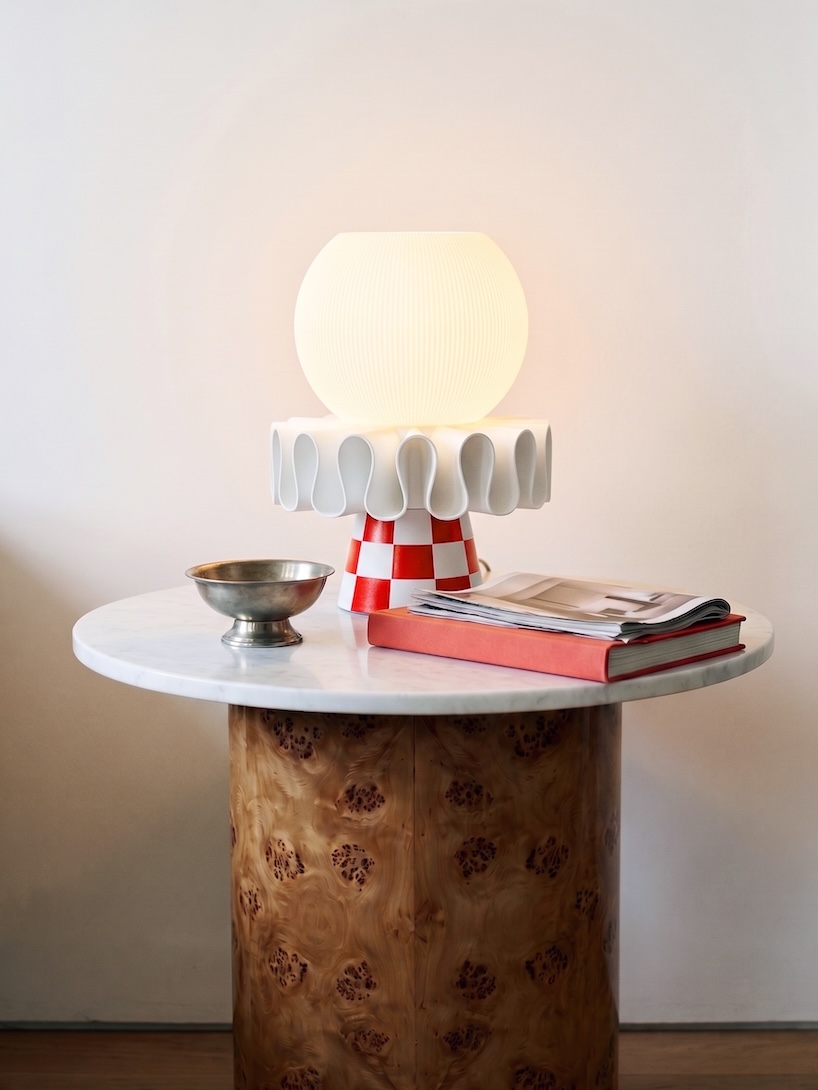
At the core of the Ondu Wonderland Collection’s distinct aesthetic is a striking juxtaposition of forms. Every piece in the series features signature ruffled silhouettes that immediately evoke the dramatic, theatrical collars of the Victorian era. These organic, fluid curves are intentionally contrasted against precise, mathematical checkerboard bases that pay homage to the timeless, structured geometry of a traditional chessboard. This tension between fluid drapery and rigid geometry forms the visual backbone of the collection, anchoring surrealist whimsy within a framework of calculated digital design.
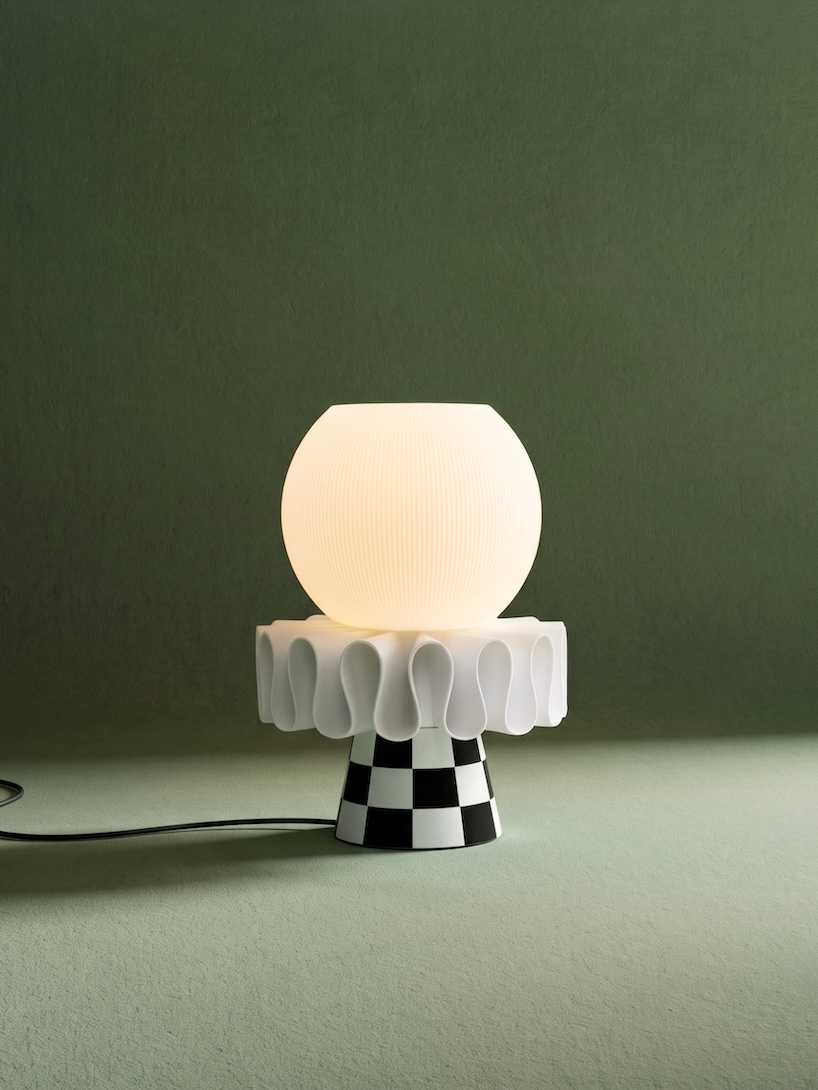
Comprising three primary functional typologies—a table lamp, a vase, and a candle holder—the series merges the structural capabilities of additive manufacturing with thoughtful material sourcing. Rather than relying on traditional, petroleum-based plastics that carry a heavy environmental footprint, Gliese Design manufactures the Ondu Wonderland objects using eco-friendly materials. The collection utilizes PLA (polylactic acid) derived from renewable resources such as corn starch and recycled food packaging, alongside post-consumer PETG. Through this deliberate material choice, the studio demonstrates that cutting-edge digital manufacturing and environmental responsibility can coexist seamlessly in the contemporary design landscape.
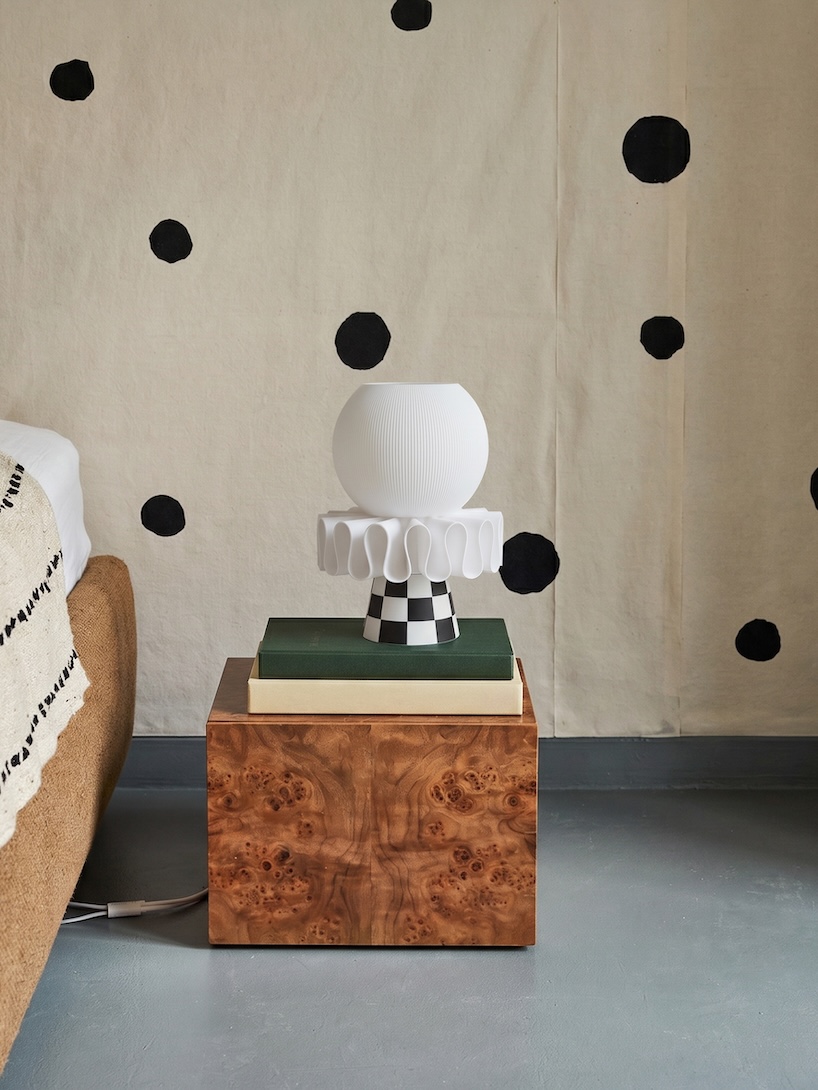
The table lamp serves as a functional centerpiece within the collection, pairing its undulating, ruffled lampshade silhouette with a solid, chess-inspired base that diffuses light through intricately layered biopolymer walls. Similarly, the vase functions as a sculptural statement piece, bringing a dramatic, story-driven silhouette to modern tabletops even when empty of floral arrangements. Rounding out the series, the candle holder translates the same design language down to a smaller scale, casting interplay of light and shadow across surfaces through its meticulously printed ridges and folds.
The Philosophy of Sustainable Digital Craft
The Ondu Wonderland Collection is not an isolated experiment for Gliese Design, but rather a natural extension of Mustafa Başaran’s ongoing exploration of material behavior and digital fabrication. Operating from his studio in Izmir, Başaran has consistently investigated how additive manufacturing can move beyond industrial applications to inhabit the intimate sphere of home decor. By utilizing additive layering, the designer is able to achieve complex geometries—such as the intricate folds of the Victorian-inspired collars and the precise squares of the checkerboard bases—that would be difficult, if not impossible, to produce through traditional manufacturing techniques like injection molding or ceramic slip-casting.
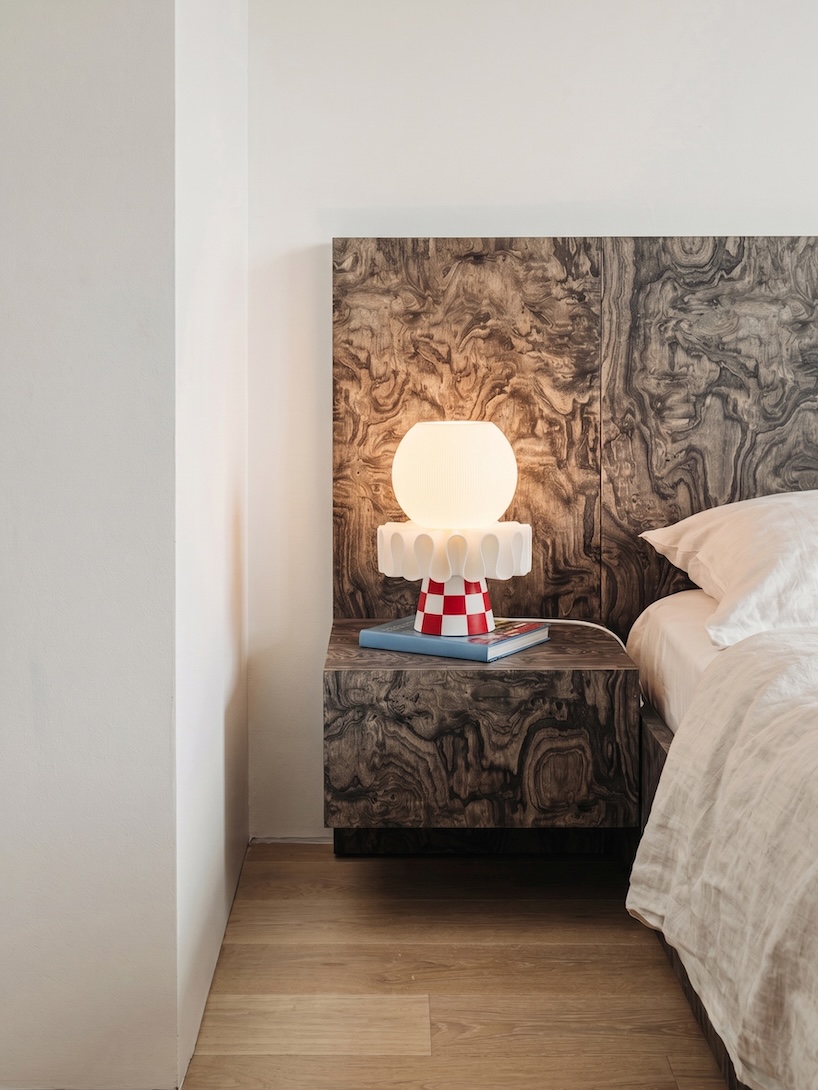
Furthermore, the decision to rely on sustainable biopolymers reflects a broader industry shift toward circular design principles. As consumers and creators alike increasingly scrutinize the lifecycle of home accessories, studios like Gliese Design are pioneering methods that prioritize local production, waste reduction, and the use of biodegradable or recycled feedstocks. The reliance on corn starch-derived PLA and post-consumer plastics ensures that these domestic objects maintain a low carbon footprint while offering the durability and refined finish expected of high-end contemporary design.
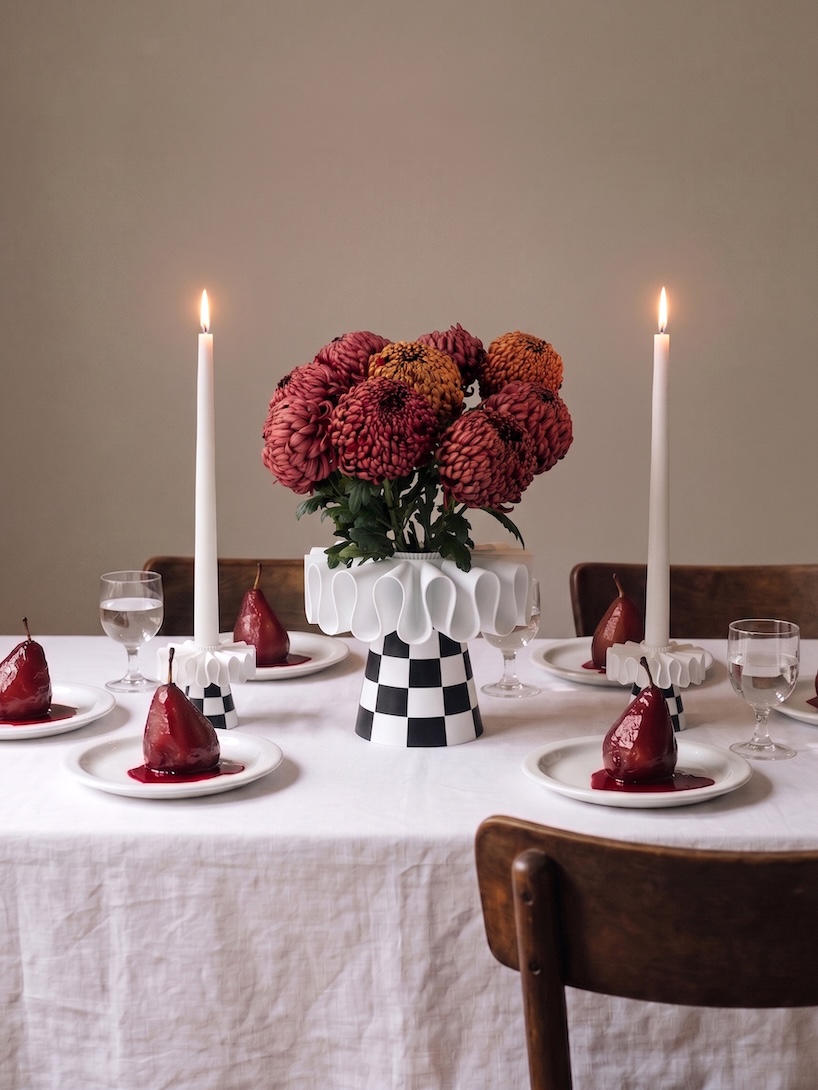
By balancing digital precision with the organic unpredictability of narrative design, Gliese Design’s Ondu Wonderland Collection establishes a new benchmark for what sustainable, technology-driven home accessories can achieve. The series stands as a testament to the creative potential of 3D printing, shifting the perception of printed objects from utilitarian prototypes to expressive, story-infused works of functional art that resonate within modern interiors.