




Escaping the city’s at times heavy-handed grandeur, new hotel Elizabeth Unique Venice introduces unpretentious, contemporary flair along the Cannaregio Canal. Set within a 17th-century palazzo, the newly opened property—the first Venice member of the prestigious Design Hotels portfolio—embraces a vibrant informality that sets it apart from the more traditional accommodations found throughout the historic Italian lagoon city.
Eschewing tourist-heavy epicenters, the surrounding district preserves daily routines shaped by local residents, offering visitors a glimpse into authentic Venetian life. The neighborhood is characterized by long-established wine bars and rustic trattorias, with the historic Venetian Ghetto situated nearby. Such localized character naturally finds its way into the interior architecture and overall atmosphere of the hotel, bridging the gap between historical preservation and modern hospitality.
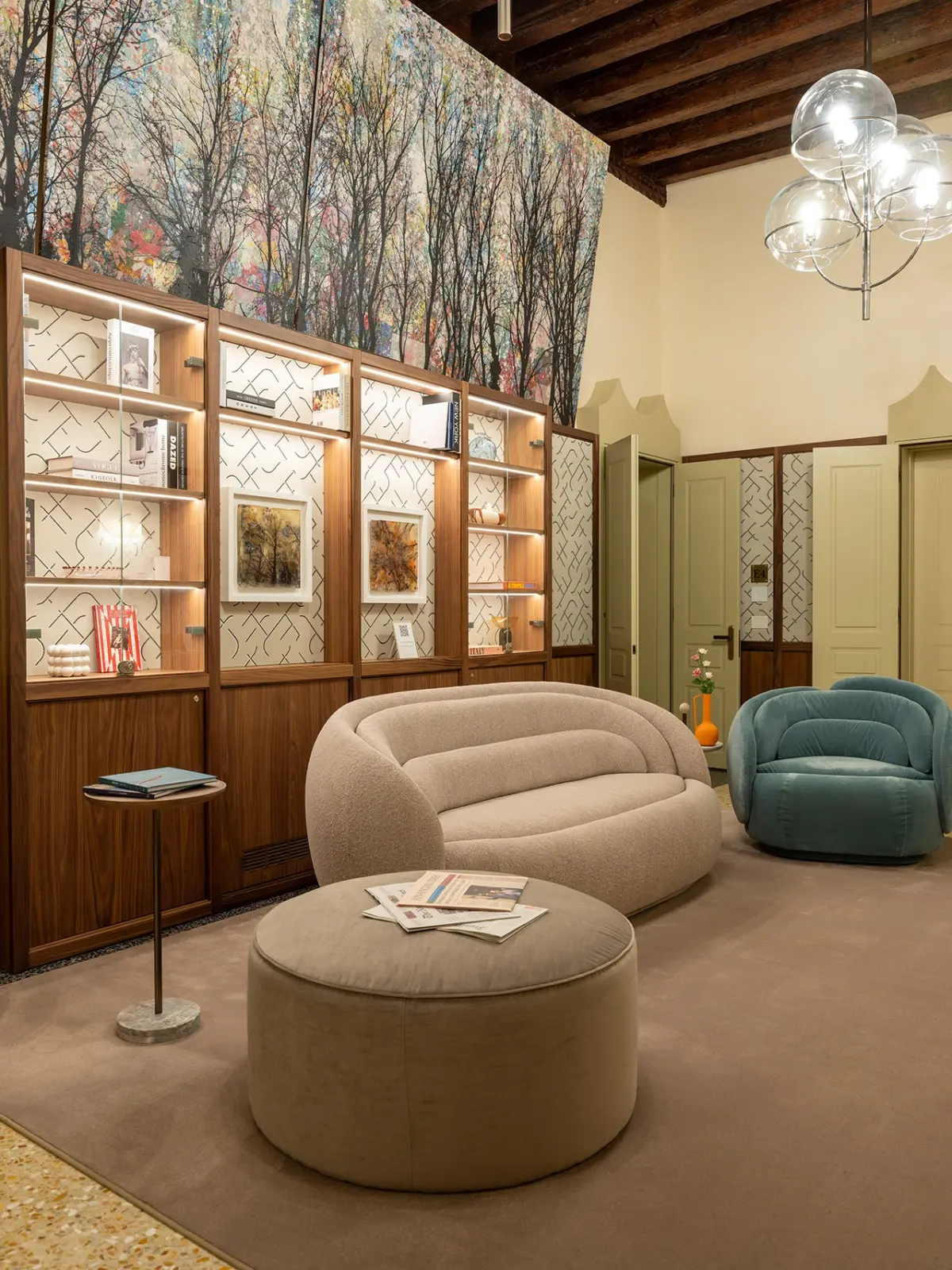
Renowned Milan-based architect Cristina Celestino orchestrated the interiors of the property, taking a thoughtful approach that honors existing architectural elements. Her design successfully preserves decorative ceilings and original timber beams while simultaneously introducing a bright, forward-thinking color palette. Rather than attempting to rigidly recreate the palazzo’s storied past, Celestino uses these historical elements as a textured, grounding backdrop for contemporary colors, innovative materials, and modern furnishings.

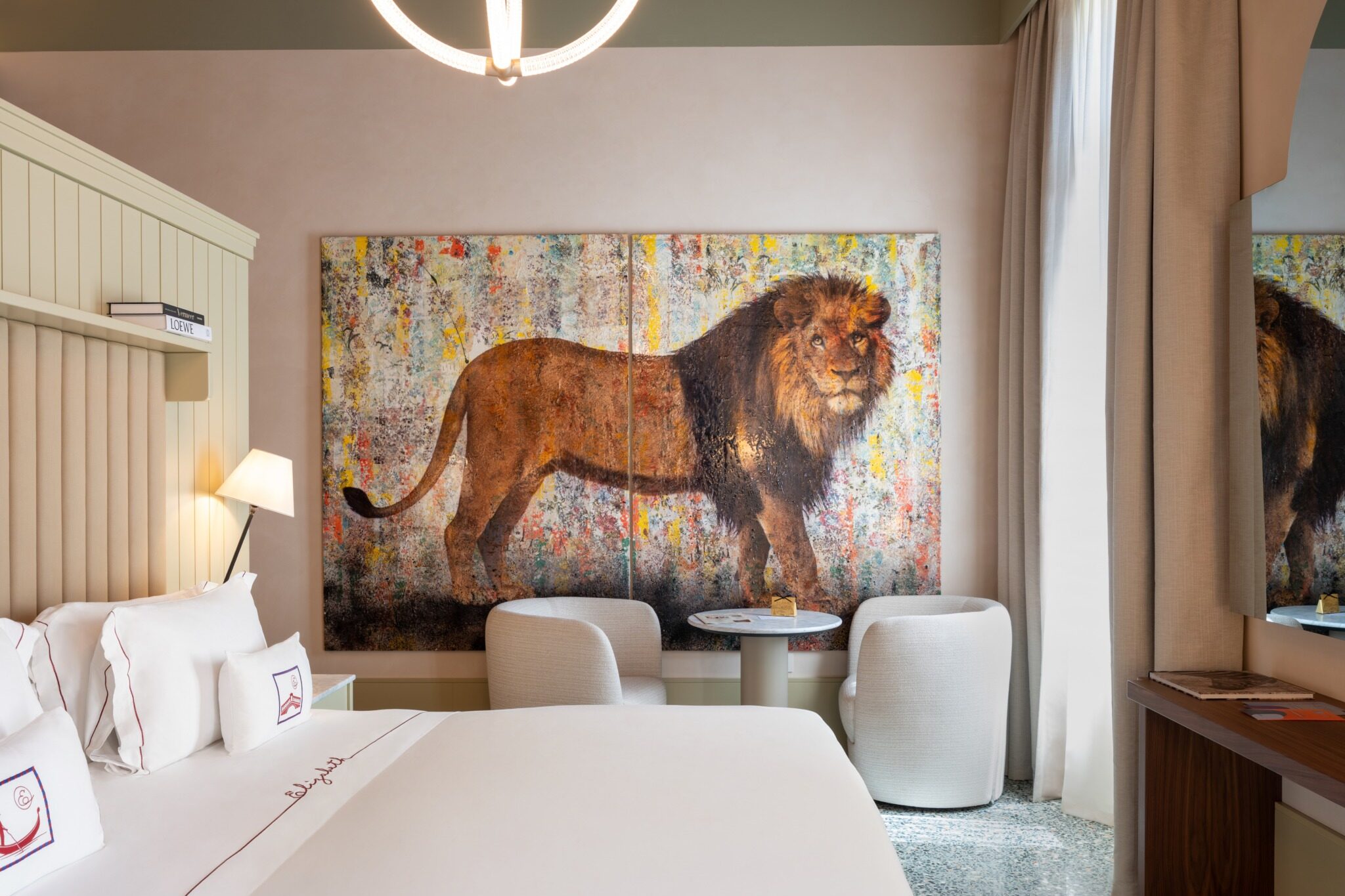
Across the property’s 14 rooms and suites, which range from Initiale rooms to expansive Spa Suites, traditional Venetian terrazzo makes a prominent appearance in three distinct colorways: lagoon green, crimson, and soft sandy tones. These carefully chosen hues continue seamlessly through marmorino walls, rich walnut boiserie, and CEDIT’s striking Policroma wallcoverings. Elsewhere within the guest quarters, colorful, full-wall wainscoting layers effortlessly with plush, padded headboards, creating a cozy yet sophisticated sleeping environment.
Subtle tactility appears throughout the property in meticulous detailing, including Carrara and Fior di Pesco marble accents, luxurious textiles sourced from Rubelli and Dedar, and custom-designed rugs conceptualized by Celestino herself. Bespoke furnishings—such as sculptural mirrors and custom-crafted bedside tables—mingle easily with high-end statement pieces like Pianca’s Calatea armchair and low glass tables sourced by Pulpo.

Lighting within the spaces plays a crucial role in defining the ambiance, featuring highlights such as Moooi chandeliers, Fontana Arte floor lamps, and Oluce suspension fixtures. Meanwhile, Kildewei bathtubs and Zucchetti fittings complete the pared-back, spa-like wet rooms, offering guests a modern retreat after a long day of exploring the city.
Rather than competing with the furnishings and architectural details, neutral stretches of wall give the hotel’s expressive contemporary artworks ample room to command attention. To achieve this cultural integration, the historic Galleria Russo helped curate a thoughtful selection of contemporary Italian art that is displayed throughout the hotel.

This ongoing interplay between old and new continues seamlessly through the public spaces. The ground-floor reception areas pair warm wooden paneling with Venetian terrazzo flooring, anchored by a check-in desk subtly accented with metallic slats. Beyond the interior common areas lies an oasis-like garden featuring a restaurant patio and a manicured lawn specifically designed for relaxed afternoon aperitivos.
Culinary programming follows a similarly thoughtful suit, centered around the da GrandMa Restaurant. The dining venue is named in honor of owner Vittorio Curatella’s grandmother, Elisabetta, who also served as the inspiration for the hotel’s name. Within the restaurant, traditional low ceilings are enriched with antique glass elements and soft blue and yellow tones drawn directly from the surrounding lagoon.

Overseen by chef Riccardo Pepe, the menus focus heavily on classic Italian cuisine, regional specialties, and cherished recipes passed down through generations. Reinforcing the property’s dedication to relaxed rhythms and unhurried travel, breakfast is made available all day long, encouraging guests to enjoy slow, deliberate starts to their mornings.
It is a fitting approach for a hotel that is ultimately less interested in recreating Venice’s familiar, ostentatious grandeur than in responding to the quieter, more authentic rhythms of Cannaregio. Through Celestino’s contemporary interventions and the palazzo’s carefully preserved traces, Elizabeth Unique Venice successfully finds its character somewhere between the city it inherited and the one still being lived outside its doors every single day.