





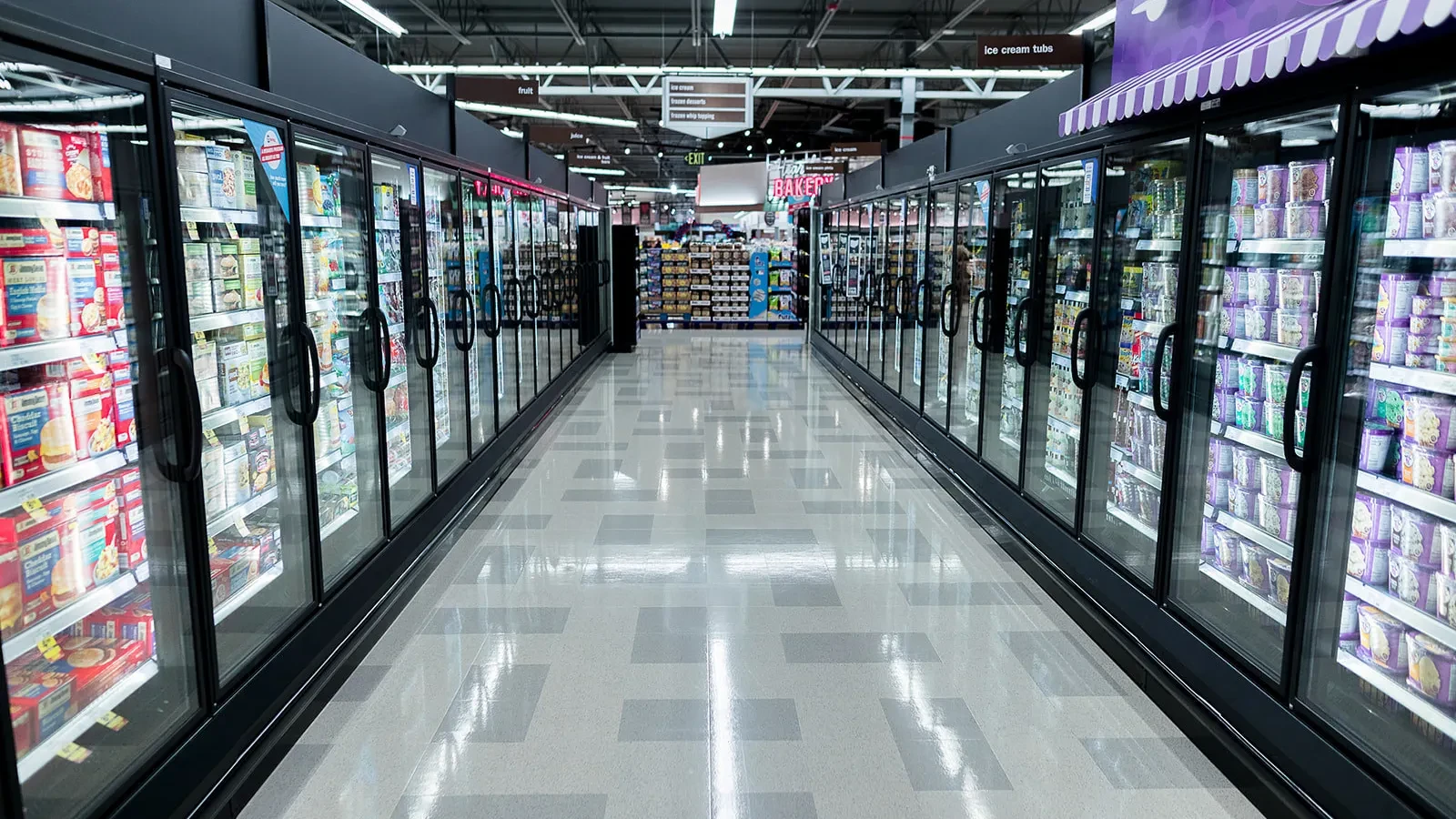
WASHINGTON — In the wake of a sophisticated and deeply damaging wave of cyberattacks targeting commercial supermarkets and cold storage facilities across Europe, the United States federal government is issuing an urgent warning to domestic businesses. Federal authorities are strongly urging companies operating internet-linked industrial refrigeration and cold chain monitoring systems to immediately implement rigorous cybersecurity safeguards to protect critical infrastructure from malicious intrusion and physical disruption.
The federal alert highlights a critical and often overlooked vulnerability within modern commercial operations: the integration of internet-connected programmable logic controllers and temperature regulation devices. According to the advisory, malicious actors have demonstrated the capability to exploit security flaws in these networked systems, granting them unauthorized remote access. Once inside, hackers can drastically alter temperature settings, creating severe operational, financial, and public safety hazards.
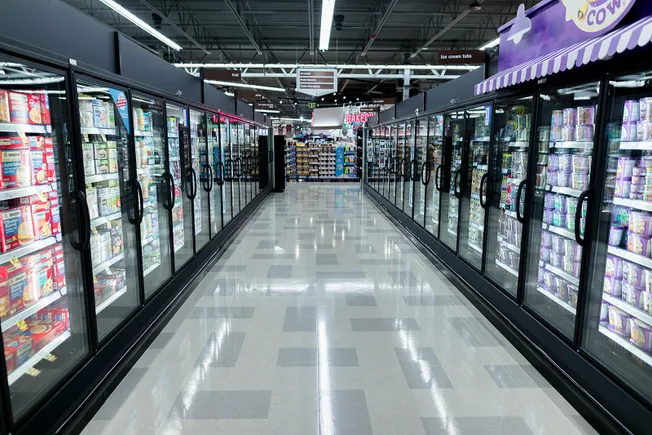
Among the primary dangers outlined by the government are potential fire hazards resulting from extreme temperature manipulations, massive inventory and food spoilage losses, and indirect health risks to consumers who might inadvertently ingest products that have undergone unsafe storage conditions. Additionally, organizations face the critical operational threat of losing real-time visibility into their current temperature monitoring metrics, blinding facility operators to developing crises until significant damage has already occurred.
To mitigate these escalating risks, the U.S. government is calling on business owners, facility operators, and system administrators to immediately take decisive action. Key protective measures highlighted in the guidance include disconnecting control system devices from the public internet, ensuring that all device firmware and software are consistently updated to patch known vulnerabilities, and establishing protocols for actively monitoring and reporting unexpected system activity or unauthorized access attempts.
The federal response underscores the cross-sector implications of these cyber threats, reflecting a coordinated interagency effort to safeguard critical supply chains. Thursday’s joint statement was backed not only by cybersecurity and infrastructure authorities but also involved the U.S. Department of Agriculture, the Department of Health and Human Services, and the Department of Transportation. These federal agencies oversee critical sectors—including food production, healthcare, and logistics—that rely extensively on large-scale industrial refrigeration and cold chain monitoring networks to preserve perishable goods, pharmaceuticals, and biological supplies.

The heightened sense of urgency from Washington follows a disturbing series of cyber incidents that unfolded overseas earlier in the autumn. In early October, cybersecurity investigators revealed that hackers had successfully manipulated the commercial refrigeration systems of hundreds of grocery stores across France. The attackers achieved this by gaining unauthorized access to programmable controllers that regulate commercial refrigeration equipment in retail environments.
In that initial wave of attacks, the malicious actors systematically forced the refrigeration units’ temperatures up to a staggering 120 degrees Fahrenheit. The sudden and extreme heat spikes resulted in localized fires, the widespread destruction of perishable food inventories, and millions of dollars in total financial damages for the affected retail chains. The sophistication and physical destructiveness of the attack caught retail security experts off guard, exposing a dangerous blind spot in how commercial facilities secure their environmental controls.
Just weeks later, a second wave of cyberattacks struck the European retail sector. Hackers targeted dozens of internet-exposed refrigeration devices across major grocery chains spanning multiple European countries. Rather than raising temperatures to cause thermal destruction, the perpetrators reset the system controls to a constant defrost cycle. While this maneuver did not cause immediate fires, it effectively compromised the cold chain integrity of the affected stores, rendering vast quantities of perishable inventory unsafe for sale and forcing retailers to discard immense amounts of food.

The threat landscape expanded further when a subsequent cyberattack targeted critical medical cold storage infrastructure managed by the French Blood Establishment, the national organization responsible for overseeing France’s vital blood supply. According to reports from specialized cybersecurity publications, unknown threat actors successfully penetrated the organization’s network and manipulated the temperature controls inside cold storage rooms across three separate operational facilities. The incident underscored the grave public health implications of securing industrial refrigeration, as attacks on cold storage extend far beyond retail food loss into the realm of essential medical supplies and healthcare logistics.
As American authorities digest the lessons learned from the European incidents, federal agencies are emphasizing that domestic businesses cannot afford to treat industrial control systems as isolated from broader enterprise cybersecurity strategies. By reinforcing network perimeters, isolating critical environmental controls from public-facing networks, and maintaining rigorous patch management protocols, U.S. companies are being asked to fortify their operations before malicious actors seek to replicate their destructive tactics on American soil.