




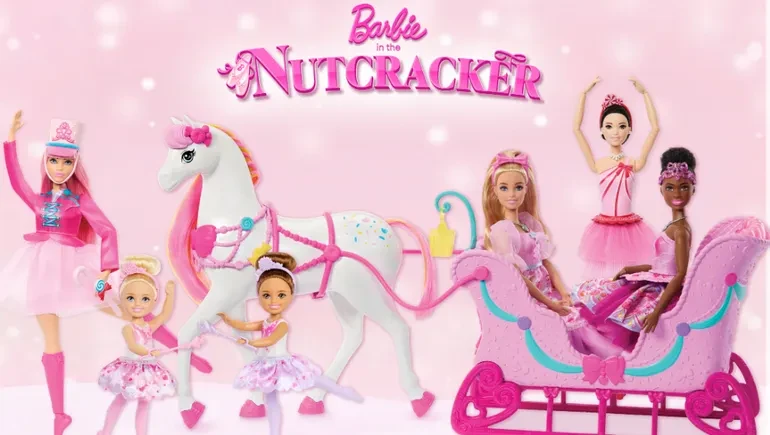
Mattel has a Barbie problem, and fixing it is quickly becoming the defining challenge for the toy manufacturer’s newly installed leadership team.
During his very first earnings call as chief executive officer, Roger Lynch addressed Wall Street analysts with a candid assessment of the company’s flagship brand. While Mattel continues to generate substantial revenue across parts of its extensive portfolio, its most iconic doll is currently underperforming expectations, creating a drag on overall category growth despite pockets of resilience.
"Barbie is a priority, but the current performance is not where it needs to be," Lynch told analysts and investors during the briefing.
The numbers reflect a nuanced reality for the broader doll division. Gross billings within the dolls category rose by 4% year over year, reaching $703 million. That growth was largely propelled by the strong performance of KPop Demon Hunters. However, even with that specific line driving momentum, the Barbie brand itself weighed down the category’s overall financial trajectory.
The dichotomy presents a formidable puzzle for Lynch, who took the helm at Mattel in September, succeeding former leadership as the company navigates a shifting retail and consumer landscape. Barbie remains a cultural juggernaut, widely recognized across generations and borders.
"Barbie is one of the most iconic and recognized brands in the world, and the number one doll globally," Lynch emphasized during the call. "We know consumers respond when we bring them compelling product, content and cultural moments. Our focus is on doing that with more consistency with Barbie."
Efforts to revitalize the brand were already underway prior to Lynch’s arrival. Earlier in the year, recognizing the pressing need to refocus attention on the iconic fashion doll, Mattel launched a targeted marketing initiative dubbed "Barbie is Moving." The campaign spans a broad spectrum of commercial activities, including strategic brand partnerships, innovative consumer products, and completely reimagined product packaging designed to capture shopper attention on crowded retail shelves.
While Barbie looks to regain its footing, Mattel’s vehicle portfolio continues to serve as an anchor of stability and success. Hot Wheels, the company’s largest brand overall, remains a phenomenal bright spot. The miniature car franchise is currently on track to secure its ninth consecutive record-setting year, with gross billings rapidly approaching the staggering milestone of $2 billion.
"Hot Wheels is perhaps the clearest example of what our brand-centric strategy can look like when we execute well," Lynch noted, pointing to the automotive line as a blueprint for how legacy franchises can maintain relevance and continuous growth through clever merchandising and consistent engagement.
Yet, industry experts caution that Mattel cannot afford to rest its long-term fortunes solely on the shoulders of its two historic cornerstones, Barbie and Hot Wheels. Relying too heavily on heritage names, analysts argue, is no longer a guaranteed strategy in an evolving marketplace where consumer tastes shift rapidly.
"Those are iconic franchises, but that doesn’t automatically translate into sales," said Emarketer analyst Zak Stambor in written statements released following the earnings report. "The company needs to give consumers reasons to buy, whether through fresh products, new experiences, or tapping into the trends kids and kidults are excited about."
Compounding the pressure on the new leadership team is Mattel’s financial outlook for the crucial holiday shopping season. Although a temporary boost from tariff refunds provided a favorable cushion for the company’s profits during the third quarter, the overarching financial projections reveal potential headwinds.
"Mattel’s decision to lower its sales and profit forecasts heading into the holiday season is not the kind of news new CEO Roger Lynch wanted," Stambor observed. "He’s already under pressure from investors to turn the company around, and these results suggest he has his work cut out for him."
The cautious outlook comes against a surprisingly resilient backdrop for the broader domestic toy market. According to a recent comprehensive report by market research firm Circana, the United States toy industry as a whole recently experienced its strongest first-half performance in six years, posting a notable 17% increase year over year. Mattel’s mixed results highlight the challenge of capturing that broader market enthusiasm amidst shifting internal brand dynamics.
When an analyst during the earnings call lightheartedly probed the new CEO for his corporate catchphrase or overarching mission statement, Lynch offered a grounded and realistic response: "Oh give me a break, I just got here."
The leadership transition at Mattel extends beyond the chief executive’s office. The company also recently appointed its second chief financial officer in a span of under 18 months. Peter Griffith assumed the role of CFO just over two weeks ago, stepping into the position as the organization prepares for the critical end-of-year financial stretch. Meanwhile, the previous CFO, Paul Ruh, has agreed to stay on as an advisor through the remainder of the calendar year to ensure a smooth handoff of financial responsibilities.
Beyond operational and executive changes, Mattel has faced external pressures regarding its corporate structure and ownership. Earlier this spring, activist shareholder Southeastern Asset Management pushed the toy maker to explore a potential sale. That pressure resurfaced in October when another major investor, Ariel Investments, renewed calls for the company to evaluate strategic alternatives, including a potential sale or combination with rival toy giant Hasbro or private equity interests.
Addressing the backdrop of corporate speculation and investor scrutiny, Lynch maintained a measured and focused tone during his introductory briefing.
"I want to acknowledge there’s been considerable external commentary about the company recently," Lynch said. "As I step into the CEO role, I see significant opportunity to improve our focus and execution."