






By Christopher Stevens, TV Critic
Published: 23:20 BST, 5 October 2026 | Updated: 23:20 BST, 5 October 2026
Television viewers are surely more than familiar with the archetype of the maverick detective battling personal demons, office politics, and domestic chaos. From brooding inspectors on remote Scottish islands to hard-drinking cops in rain-slicked metropolitan alleys, the troubled investigator is a cornerstone of modern television drama. Yet, in Channel 4’s compelling new legal drama, Pierre, the protagonist breaks away from this well-trodden path. Pierre Jeffreys is not a police detective working high-profile homicides or cracking elaborate conspiracies; he is a duty solicitor. And unlike the typical television investigator, who usually manages to solve the case despite their messy personal life, Pierre finds himself grappling with profound troubles pretty much everywhere he turns.
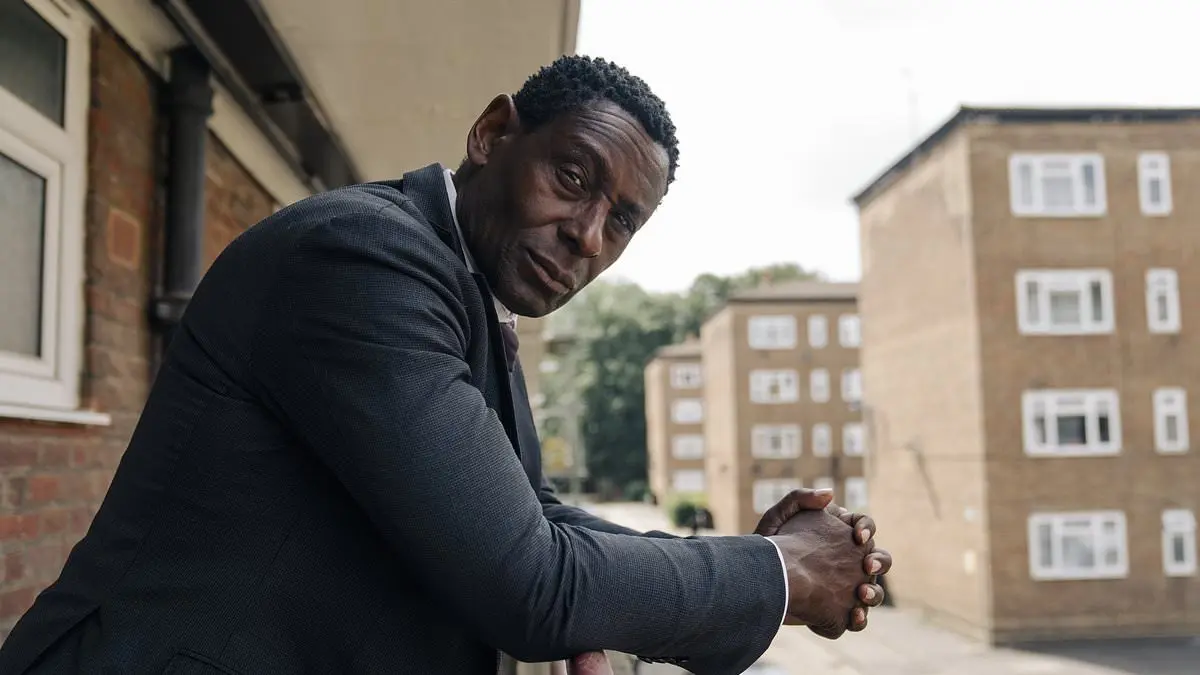
It took the entirety of the show’s first episode to fully establish the staggering weight of Pierre’s burdens, leaving viewers wondering just where the narrative was ultimately heading. With few major narrative surprises until a tragic twist right at the very end of the premiere, the burden of carrying the show fell squarely on the shoulders of acclaimed actor David Harewood. Portraying the overwhelmed criminal solicitor with quiet dignity and grim determination, Harewood puts on a remarkably brave face as his professional and personal world slowly unravels around him.
The laundry list of Pierre’s daily stressors is enough to test the patience of a saint. At home, his domestic life offers no sanctuary; his son has chosen to abandon his university education entirely, opting instead to spend his days immersed in video games rather than pursuing a degree. Meanwhile, back at his law practice, the working environment is nothing short of dismal. The office is actively infested with rodents, and the electrical wiring is in desperate need of urgent professional attention. Financially, the firm is bleeding money, running at a persistent loss that Pierre is forced to counteract through unconventional means. In a desperate bid to keep the lights on and pay his staff’s wages, the duty solicitor has taken to funding the payroll using his winnings from local roulette tables.
As if running a crumbling, financially insolvent legal practice while managing a disengaged son were not enough, Pierre’s physical health is also beginning to give way. In a characteristic moment of unorthodox scheduling, he holds a makeshift medical consultation with his doctor not in a sterile clinic, but in the dimly lit corner of a seedy back-alley gambling den—a venue that apparently offers surprisingly easy access to primary healthcare appointments. There, the doctor delivers a worrying verdict: Pierre may be developing diabetes.
Combined with the general aches and fatigue of advancing age, the solicitor is forced to confront his own mortality. Even his lifelong allegiance to his football team, Queens Park Rangers, offers no emotional respite, with the club’s on-pitch performances routinely letting him down week after week.
Professionally, Pierre’s caseload provides a revolving door of chaotic humanity, starting with one of his most frequent and eccentric visitors: Mad Miriam. A serial shoplifter with a tenuous grip on reality, Miriam finds herself in legal trouble once again after being detained by a supermarket security guard. Miriam vehemently insists that she is being sexually harassed by the guard, and while it is technically true that the employee demanded to inspect her undergarments, the context is somewhat more complicated than harassment. The guard only made the demand because Miriam had strategically hidden an eclectic assortment of stolen goods inside her clothing.
The haul recovered from her person included a pair of stockings, an electric toothbrush, a bag of sweets, and a kitchen spatula. The bizarre collection of items felt less like a calculated criminal enterprise and more like a remarkably cheap, surreal version of the classic television game show The Generation Game conveyor belt, moving past bewildered onlookers one strange item at a time. When confronted about her actions by her solicitor, Miriam offers a simple, unshakeable defense: "The Lord told me to take them," she declares without a trace of irony.
Pierre’s second difficult client of the week presents a much heavier, more socially charged dilemma. Michael is a young Black man who has found himself behind bars after "borrowing" his aunt’s car without permission. Discovering the vehicle missing, the aunt reported the incident to the authorities, leading to Michael’s swift arrest by a police officer who cuts a distinctly villainous figure. Indeed, the officer could not possibly have looked or acted like a more obvious antagonist if he had been unmasked at the end of the episode by Scooby-Doo and the mystery-solving gang.
The officer constantly chews gum with an aggressive cadence, wears a perpetually surly expression, and sports a mop of blond hair that surely breaches the strict grooming regulations mandated by the Metropolitan Police.
Recognizing the potential fallout for the young man, Pierre goes to work behind the scenes, using his powers of persuasion to convince Michael’s aunt to drop the formal criminal charges against her nephew. The aunt is reluctant and frustrated, venting her anger during the negotiation. "What favours are we doing to young black men by continually making excuses for them?" she rages, highlighting the complex social tensions surrounding accountability and support. Ultimately, however, her familial ties win out, and she agrees to give the young man a second, hard-earned chance to clear his name and set his life straight.
For an optimistic viewer, this might signal the beginning of a redemptive arc. One might expect Michael to embrace the opportunity, turn his life around, go straight, and perhaps embark on a respectable, successful career in accountancy or another steady profession. But this is the gritty world of Pierre, and reality does not bend toward neat, comfortable television tropes.
Instead of pursuing a lawful path, Michael returns directly to his local housing estate. There, he takes a can of spray paint and scrawls the words "PC Tanner is a Racist" in bold letters across the wall of the basketball court. Proud of his provocative handiwork, Michael summons Pierre specifically to the estate to admire his defiance.
Pierre, weary and acutely aware of the dangerous escalation, is entirely unimpressed by the gesture. "I was fighting skinheads when you were just a glint in the milkman’s eye," the seasoned solicitor tells Michael, attempting to impress upon him the depth of historical struggle. The generation gap widens further when the young man responds with genuine confusion: "What’s a milkman?"
The narrative reaches a grim and abrupt climax by the end of the programme. Before Pierre can guide his young client toward safer ground, tragedy strikes. Michael is brutally stabbed to death on the estate, a devastating outcome that leaves the community in shock. As the fallout settles, the corrupt and antagonistic PC Tanner can be seen lingering on the sidelines, wearing a cold, smirking expression that suggests an institutional indifference to the tragedy.
Faced with the murder of his volatile young client, Pierre makes a resolute vow to track down the killer and bring them to justice. Yet, as the credits loom, an obvious logistical question hangs heavily in the air: where on earth the beleaguered solicitor is going to find the spare time to conduct a murder investigation, given that he still needs to sort out his chaotic family life, struggle to keep his failing practice financially solvent, and attend all those looming hospital appointments for his suspected diabetes, remains anybody’s guess.