







OpenAI is deepening its push into the retail sector by introducing a new virtual try-on feature within ChatGPT, allowing users to see how clothing and accessories look on them prior to making a purchase.
The newly added functionality transforms how consumers interact with product listings on the artificial intelligence platform. According to OpenAI, users can now take a fresh selfie or upload an existing photo of themselves to generate tailored images that display how various items fit and appear on their unique body types. When browsing supported clothing and accessories within ChatGPT, shoppers will encounter a dedicated "try-on" button embedded directly into the product listings, streamlining the path from discovery to evaluation.
This development marks another significant milestone in OpenAI’s ongoing strategy to court both shoppers and retailers onto its conversational platform, evolving ChatGPT from a general-purpose assistant into an active transactional marketplace.
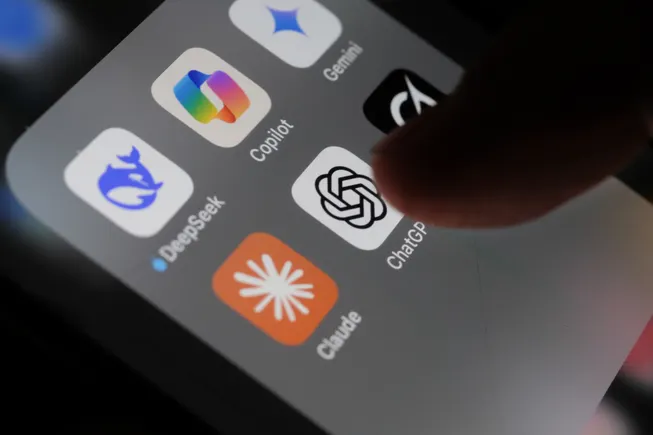
The expansion into product visualization aligns with a broader industry trend where conversational commerce and agentic artificial intelligence are rapidly reshaping the digital retail landscape. Over the past year, major retail brands and platforms have increasingly integrated their inventories into conversational AI environments.
In April, David’s Bridal established a prominent presence on Shopify’s Agentic Storefronts for ChatGPT and Microsoft Copilot. That integration allowed shoppers to seamlessly sift through the bridal retailer’s extensive assortment by specific silhouettes across both major AI platforms. The following month, Etsy made a parallel move by debuting its dedicated app on ChatGPT, enabling users to leverage conversational search for unique, artisan-crafted goods.
These retail integrations follow OpenAI’s introduction of a specialized shopping research feature last year. That initial tool was designed to intelligently recommend and compare products based on natural language search queries, laying the groundwork for the platform’s more advanced e-commerce capabilities currently rolling out to users.
With the deployment of the new try-on tool, OpenAI is actively catching up to competitors like Google, which has steadily built out its own suite of generative artificial intelligence product visualization features over the last few years.

Google initially debuted its virtual try-on tool in 2023, giving consumers the ability to virtually try on women’s tops using advanced generative models that realistically draped fabrics over diverse body shapes. The technology quickly gained traction, prompting Google to extend the feature to dresses the following year. Last year, the tech giant expanded its virtual fitting room capabilities once again to encompass footwear, allowing shoppers to visualize shoes before buying.
The rapid race among major technology companies to incorporate virtual try-on technology is driven by mounting evidence that these immersive tools significantly boost consumer engagement and sales performance. Retail brands that have implemented virtual try-on technology have seen their sales conversion rates more than double, according to a 2024 industry survey conducted by Perfect Corp.
Furthermore, consumer demand for these features remains high. More than a third, or 38.4%, of respondents surveyed by Perfect Corp. indicated that virtual fitting rooms and try-on applications represent the ideal way to recreate physical, in-store shopping experiences within the digital online environment. As OpenAI brings similar visual capabilities to ChatGPT, the boundary between traditional e-commerce websites and conversational AI platforms continues to blur, offering new avenues for retailers to connect with prospective buyers.