






Published Sept. 25, 2026
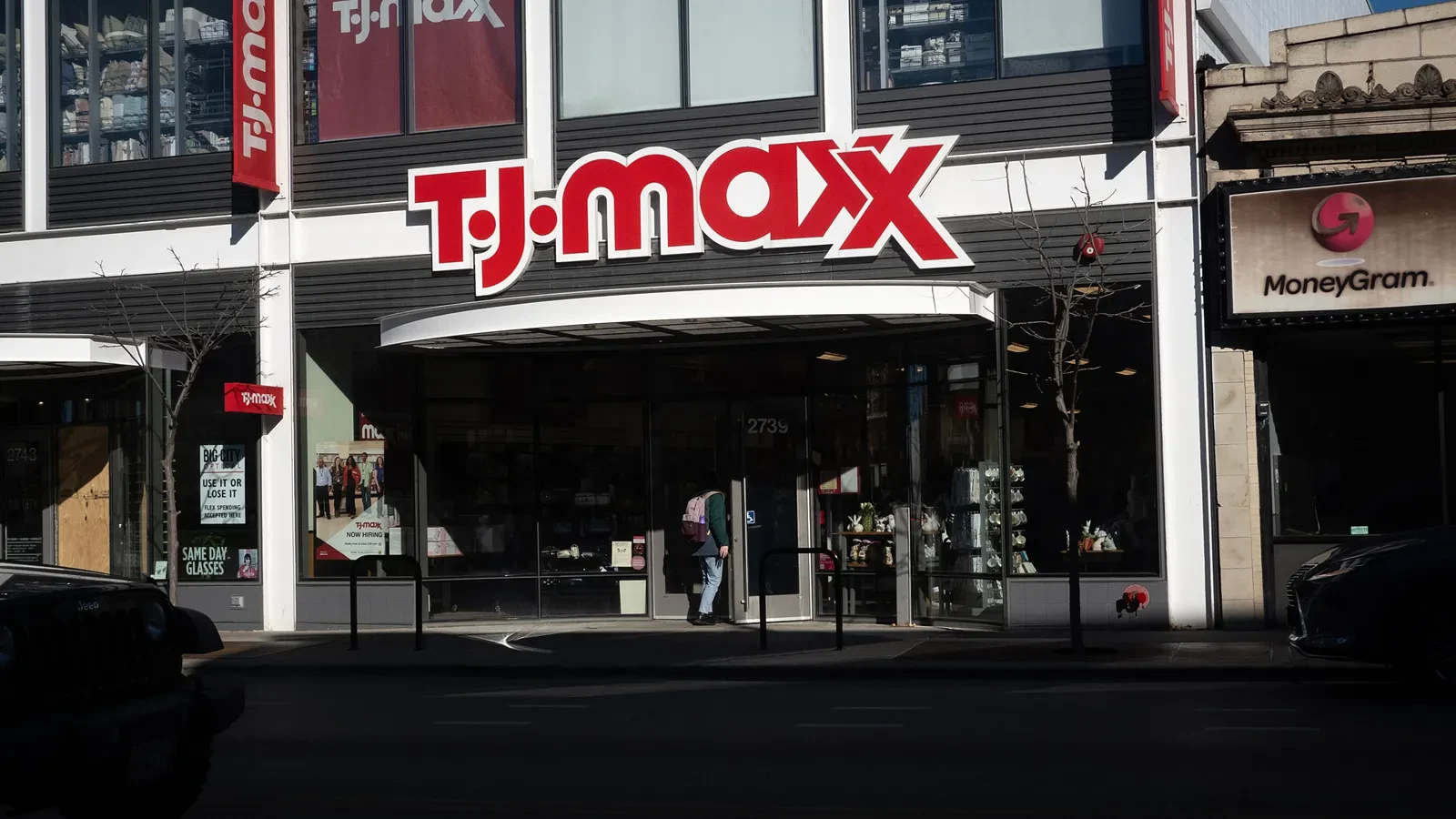
In the fast-paced world of modern retail, the supply chain is often the silent engine driving a company’s profitability and resilience. While traditional department stores and specialty shops often rush to get merchandise from manufacturers directly onto sales floors as quickly as possible, off-price giants operate under a vastly different operational playbook. According to retail supply chain experts, a distinct inventory strategy allows major off-price chains like T.J. Maxx and Marshalls to absorb sudden environmental and economic shocks—ranging from unseasonal weather events to unpredictable consumer demand shifts—far better than many of their traditional competitors.
During a recent earnings call, TJX Companies CEO Ernie Herrman highlighted how the parent company’s sophisticated warehouse distribution model provides crucial operational flexibility. When discussing major market disruptions, such as managing potential El Niño weather patterns and other disruptive climate anomalies, Herrman pointed to the company’s ability to hold back inventory at distribution centers rather than pushing goods immediately to storefronts. This strategic buffer gives the off-price leader a distinct advantage in managing inventory health and reacting dynamically to real-time market data.
To understand why this approach is so effective, industry analysts look closely at the fundamental mechanics of retail logistics. Off-price retailers and classic brick-and-mortar retailers tend to utilize distinctly different supply chain models when managing their inventory, though the broader retail ecosystem is far from a one-size-fits-all environment. Dheera Anand, a partner at Bain and Co., explained in an interview with retail publication Supply Chain Dive that the supply chain strategy outlined by Herrman is widely recognized within the logistics industry as the "hold and flow" model, sometimes referred to as the staged model.
Under the hold and flow framework, incoming merchandise sits strategically at central distribution nodes, allowing retailers to monitor external conditions and react dynamically based on actual sell-through data, emerging weather patterns, and local consumer trends. Rather than blanketing every store location with identical assortments at the start of a season, retailers utilizing this method can slowly trickle inventory into specific regional markets where items are actively moving, guided strictly by real-time sales performance.

This mechanism shifts the traditional retail paradigm from forecasting guesswork to responsive execution. A portion of the incoming inventory, determined by predictive data algorithms and historical trends, stops and sits in the distribution center, resting safely on warehouse racks. Consequently, the enterprise avoids flooding its physical storefronts with every single item at the exact moment it arrives from the manufacturer.
This methodology stands in stark contrast to the alternative framework known in the logistics sector as the flow-through, or cross-dock, model. Under a traditional flow-through system, merchandise arrives at a retailer’s distribution hubs directly from suppliers, and the inventory typically turns over and leaves the facility within a day or two. Rather than lingering in a warehouse, goods are rapidly sorted, packed, and loaded onto outbound trucks destined for retail locations, minimizing storage costs but leaving the retailer with far less flexibility if demand suddenly stalls or weather conditions turn adverse.
Between these two primary approaches, many modern retail organizations employ a nuanced hybrid model, combining elements of both strategies to optimize their capital and floor space. However, the operational suitability of each model depends heavily on the specific characteristics of the merchandise being sold.

When looking across a retailer’s overall product assortment, distinct categories naturally align with different supply chain pathways. Seasonal goods, high-fashion apparel, trend-driven items, and products that inherently experience high demand variability are far more suitable for the hold and flow approach. By keeping these complex categories staged in a centralized location, management teams can redirect shipments geographically depending on where a specific trend or weather pattern is actually taking hold.
Conversely, goods characterized by low operational complexity, highly predictable demand curves, and minimal stylistic variety are much better suited to the traditional flow-through model. These staple items require little regional adjustment or timing precision, making rapid, uninterrupted transit from supplier to store shelf the most efficient and cost-effective choice.
As global supply chains continue to navigate unpredictable disruptions, the strategic deployment of inventory models like hold and flow remains a critical differentiator for off-price powerhouses. By decoupling the timing of supplier deliveries from the immediate stocking of store shelves, companies like TJX maintain the agility needed to protect their margins and respond effectively to whatever environmental or consumer shifts come their way.