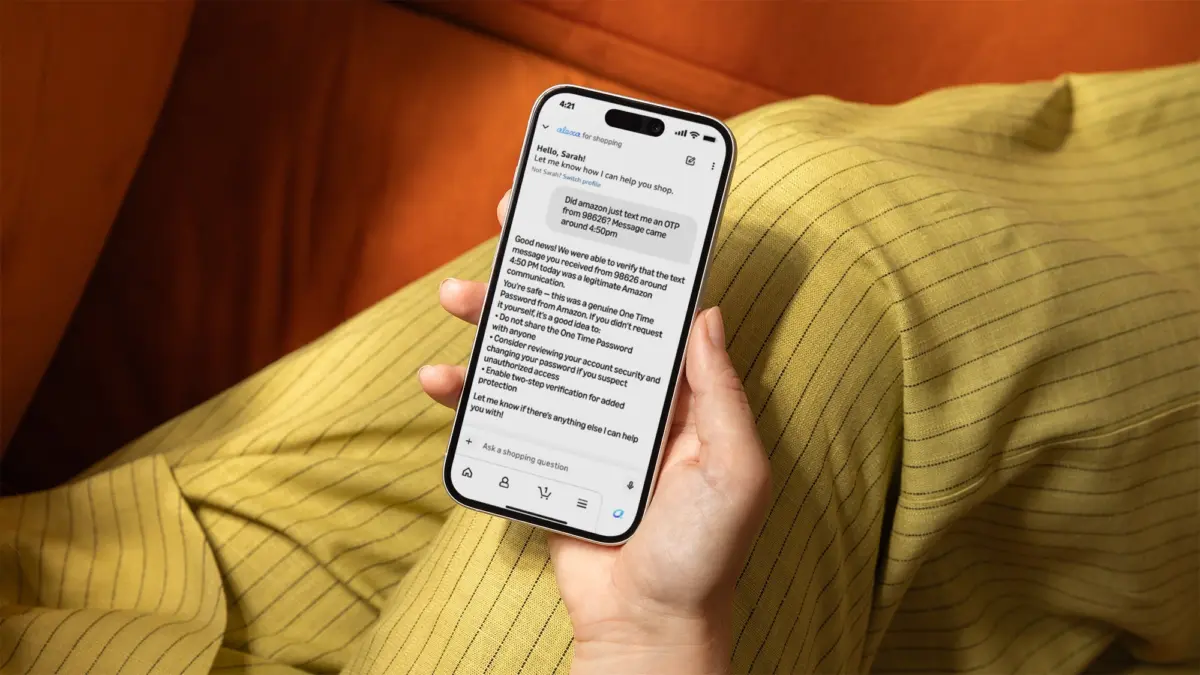





Amazon is bringing artificial intelligence directly into the ongoing battle against digital fraud, launching a new capability designed to help millions of consumers instantly verify whether a suspicious message genuinely came from the retail giant or is a clever impersonation attempt.
The company announced on Wednesday that its consumer-focused AI service, Alexa for Shopping, will now handle scam-verification requests from users. The move comes as e-commerce fraud continues to target online shoppers with increasingly sophisticated tactics, ranging from fake order confirmations and urgent Prime membership renewal alerts to frightening account suspension warnings, urgent package delivery notifications, and deceptive job scams.
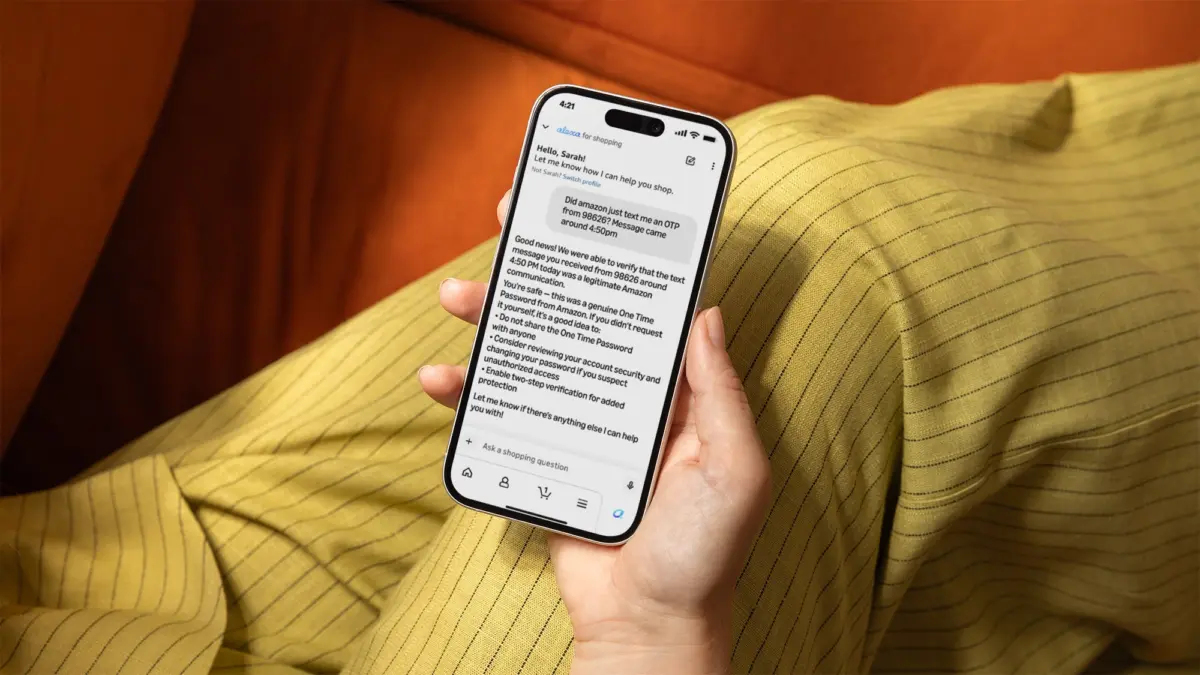
According to the retailer, approximately 360,000 customers reach out to its customer service department every year simply to find out whether a communication they received is authentic. Under the newly expanded feature, shoppers will no longer need to navigate standard customer support queues to get answers. Instead, they can turn directly to Alexa for Shopping to evaluate suspicious texts, emails, or messages.
Amazon stated that its AI system can definitively confirm whether a communication originated from its own corporate infrastructure by cross-referencing it against the billions of legitimate messages the company transmits globally on any given day. To determine authenticity, the AI meticulously analyzes sender information, message content, delivery timing, metadata, and other hidden digital markers. Furthermore, the technology is designed to adapt and evolve; as more customers report suspicious messages through the platform, the underlying system sharpens its analytical capabilities, enabling it to spot emerging scam trends and patterns more effectively in the future.
The integration of scam-detection tools into Alexa represents the latest step in Amazon’s broader strategy to combat a persistent digital security challenge. The company has previously rolled out several mechanisms to address consumer concerns regarding fraudulent communications. Earlier this year, Amazon launched a dedicated verification email address, allowing anyone to forward suspicious messages directly to the company and receive a confirmation response regarding whether the text or email was authentic or a scam. The retailer also maintains a dedicated online reporting form on its customer service website to provide similar assistance to users who prefer web-based interactions.
This latest security enhancement also highlights a significant evolution in Amazon’s product strategy for its virtual assistant. Over recent quarters, the company has increasingly shifted Alexa’s focus toward practical, high-utility retail assistance, transforming the assistant from a general-purpose smart-home controller into a specialized shopping companion capable of providing proactive, personalized help.
Today, Alexa for Shopping can source personalized deals, compile detailed shopping guides, help customers seamlessly reorder their everyday household items, generate AI-powered product overviews, and even transcribe handwritten shopping lists. The expansion continued earlier this week when the retailer added another new Alexa feature enabling customers to establish proactive alerts for specific events that might inspire shopping interest, such as a favorite brand launching a brand-new product line, a preferred author releasing a fresh book, or a recording artist dropping a new album.
By embedding security verification directly into this ecosystem, Amazon is positioning Alexa as a central touchpoint for managing the entire online shopping lifecycle, from discovery and purchasing to post-purchase verification and safety.
The new AI-powered scam-detection capabilities within Alexa for Shopping are now live and accessible to users through both the official Amazon website and the company’s mobile application, giving millions of shoppers a faster, automated way to protect themselves from digital fraud.