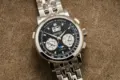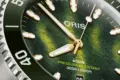


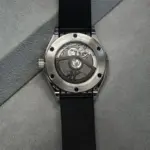



It is a remarkably wide world out there, full of seductive objects of desire to pursue far beyond the traditional confines of horology. In the ongoing quest to curate the weekly selections for Hodinkee’s "What’s Selling Where" column, a diverse array of unexpected delights routinely crosses the desk, making it essential to pass along some of the more eccentric cultural artifacts circulating the market. For instance, should a collector possess an excess of both disposable time and funds alongside a distinct dearth of pop culture memorabilia, a comprehensive auction featuring items from the estate of Paul Reubens—affectionately known to generations as Pee-wee Herman—is currently underway. Titled, appropriately enough, Paul Reubens’ Big Auction, the catalog includes notable cinematic artifacts, prominently featuring a replica bicycle from Pee-wee’s Big Adventure complete with its 2011 Visionary Spike TV Scream Award.
Reviewing the scoreboard from previous market picks offers a helpful baseline for the current landscape of vintage collecting. Last week’s highlighted Orvis Solunagraph was scheduled to head to the auction block on the following Thursday, while the LIP Mach 2000 was slated for auction later that same day. Meanwhile, settled sales from recent tracking demonstrate steady transactional health across varied segments: a Patek Philippe reference 5107 successfully hammered down for €13,500, and a striking Omega De Ville Emerald found a new home for a modest $650.

As the current week unfolds, the global marketplace reveals an eclectic mix of affordable vintage divers, rare chronographs, high-pedigree complications, and under-appreciated design-forward jewelry watches. Among the more intriguing entries for the budget-conscious collector is an affordable vintage diver originating from a brand that frequently serves as a punchline within modern enthusiast circles: Invicta. While contemporary iterations of the brand rarely command serious horological reverence, their vintage catalog can occasionally unearth pleasant surprises. Alongside this piece, space enthusiasts can track Alan Bean’s personal Omega Speedmaster Professional BA 145.022-69, while another catalog presents a trio of early electronic Wittnauers that promise an interesting project for anyone whose definition of fun includes non-running vintage electronic movements.
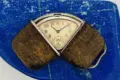
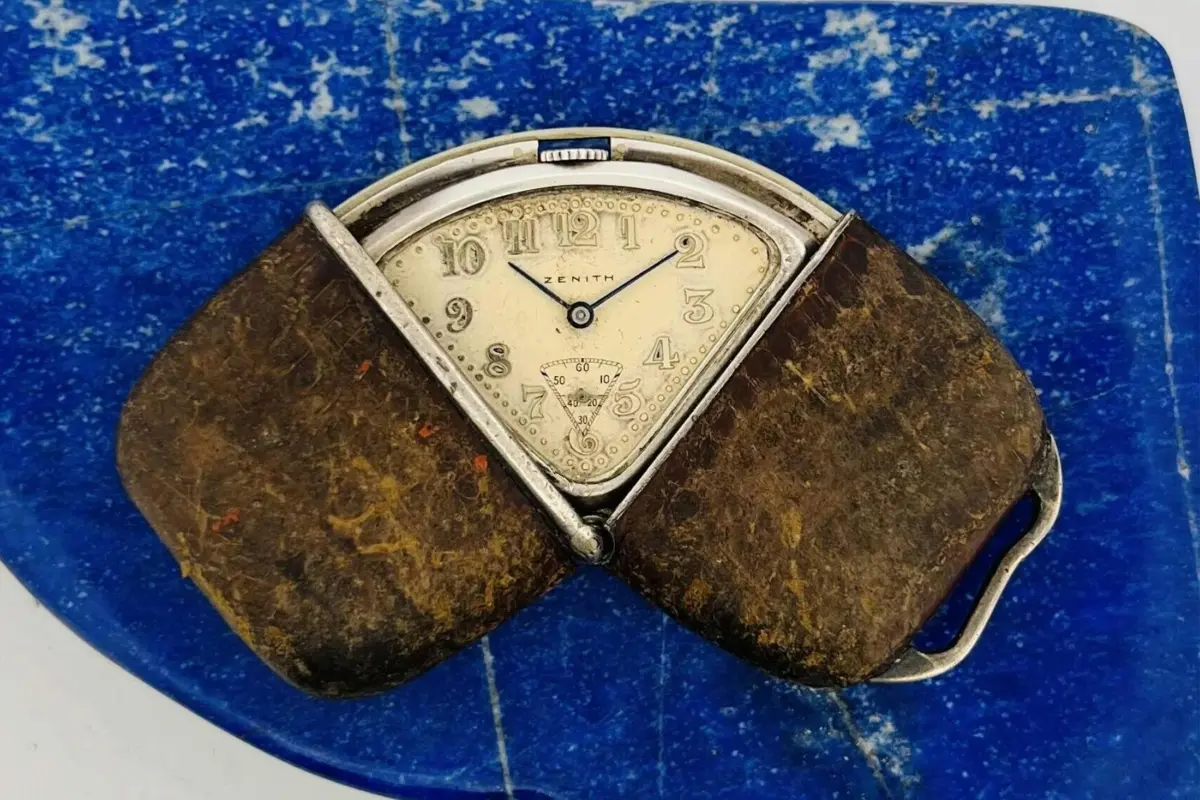
Further charm can be found in a rose gold chronograph from Juvenia, which initially appeared to be the most endearing watch of the week until a remarkably clever Zenith purse watch entered the fray, capturing top honors for sheer aesthetic appeal. For collectors partial to the iconic Seiko 6139—affectionately dubbed "Pogue" models after astronaut Colonel William Pogue—two separate examples of the reference 6139-6002 are coming up for auction. While neither qualifies as a "true" first-generation Pogue, both present wonderfully and offer immense enjoyment for enthusiasts of vintage Japanese chronographs. Finally, following a previous look at a circular Gubelin triple-date moonphase, a remarkably clean, rectangular stainless steel iteration featuring the exact same complications has surfaced, presenting an irresistible temptation for anyone willing to pull the trigger.

A Breguet’s Triple-Date Chronograph With Moon Phase
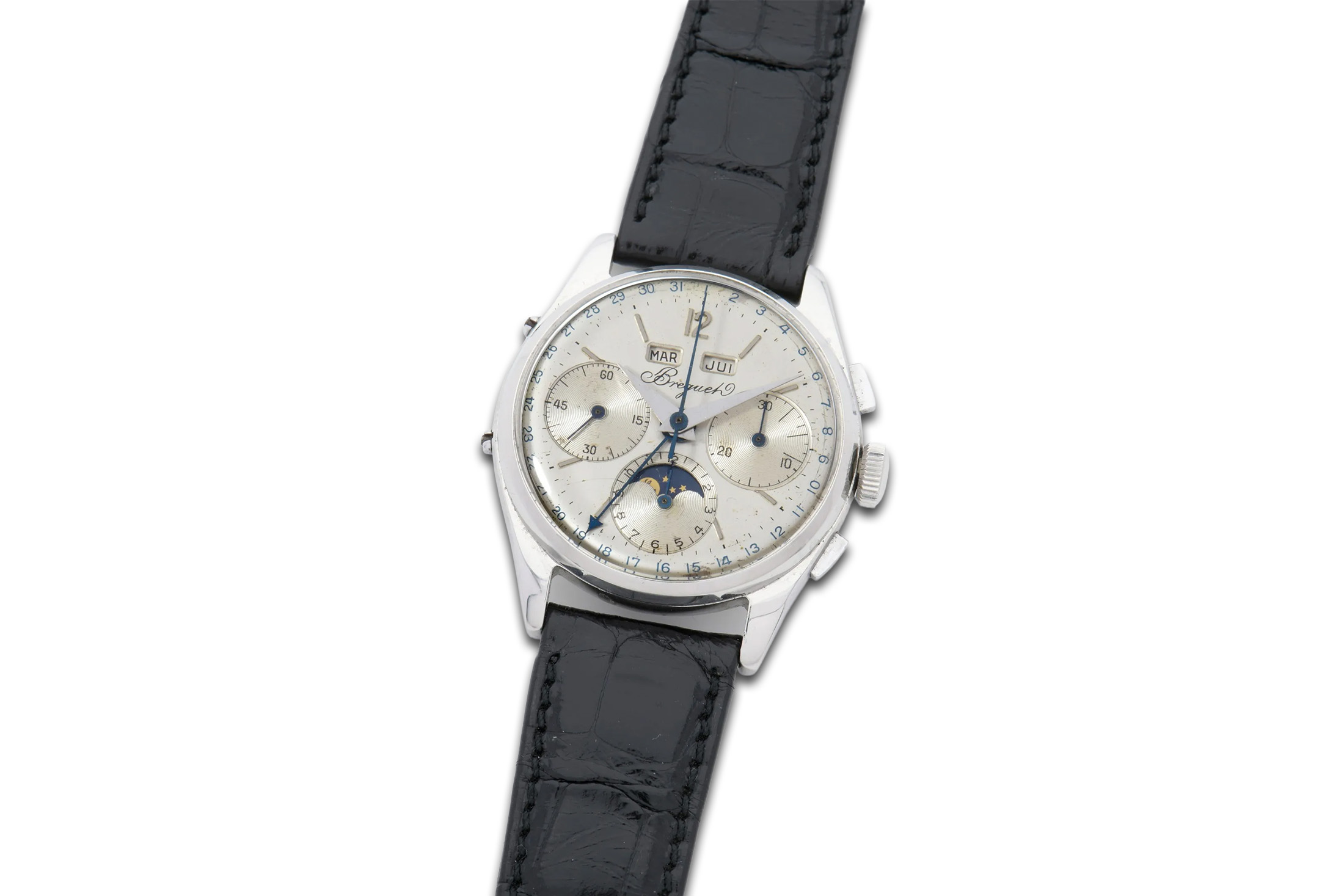
Stainless steel Breguet triple-date chronographs equipped with a moon phase complication are not entirely unheard of in the upper echelons of vintage collecting, but they remain exceedingly scarce. A comparable example presented by Phillips during a Geneva watch auction in 2018 famously sold for CHF 131,250. Christie’s subsequently handled another piece the following year, achieving CHF 300,000, before offering yet another variant in 2022 that commanded CHF 176,400.
The fundamental differentiator between those previously auctioned heavy-hitters and the specific model heading to auction next Friday, aside from the fact that those earlier pieces featured slightly cleaner dials, lies entirely in the realm of provenance. This particular watch arrives directly from the personal collection of Emmanuel Breguet, who serves as the Vice President and Head of Patrimony at Montres Breguet while also being a direct descendant relative of Abraham-Louis Breguet, the legendary inventor of the tourbillon. In terms of sheer historical pedigree and horological significance, it is exceptionally difficult to construct a more profound lineage.
The Platonic ideal for high-end vintage collecting is a flawless, collector-grade specimen, a description that does not precisely fit this particular watch. The dial bears noticeable flaws which, while not entirely overwhelming, do detract from a pristine visual presentation. Nevertheless, given the inherent rarity of the reference itself, such minor imperfections are easily forgiven when weighed against the monumental weight of its provenance. Evaluating this piece creates a cognitive effect similar to viewing the classic Rubin vase optical illusion, forcing the observer to balance physical condition against historical importance.
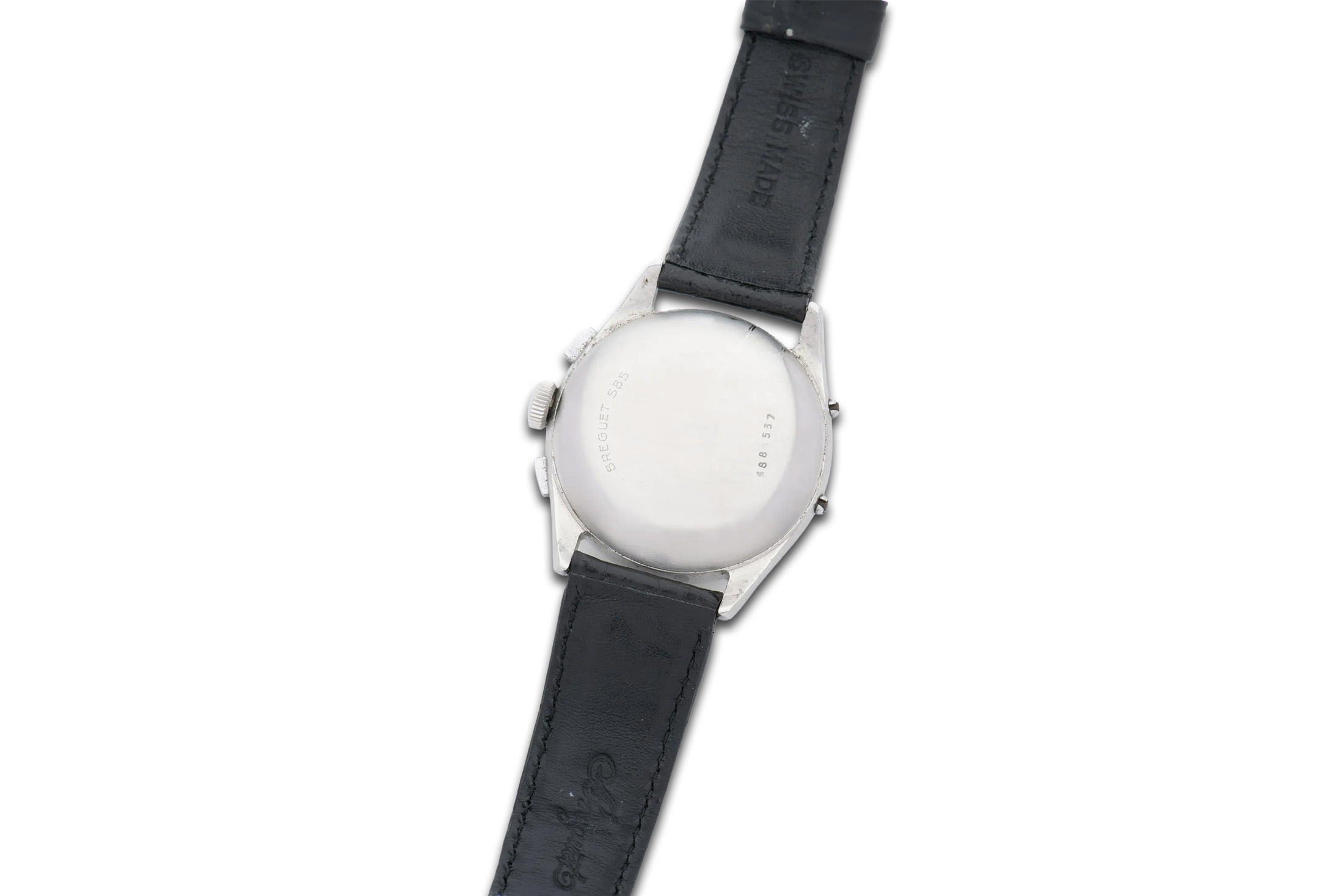
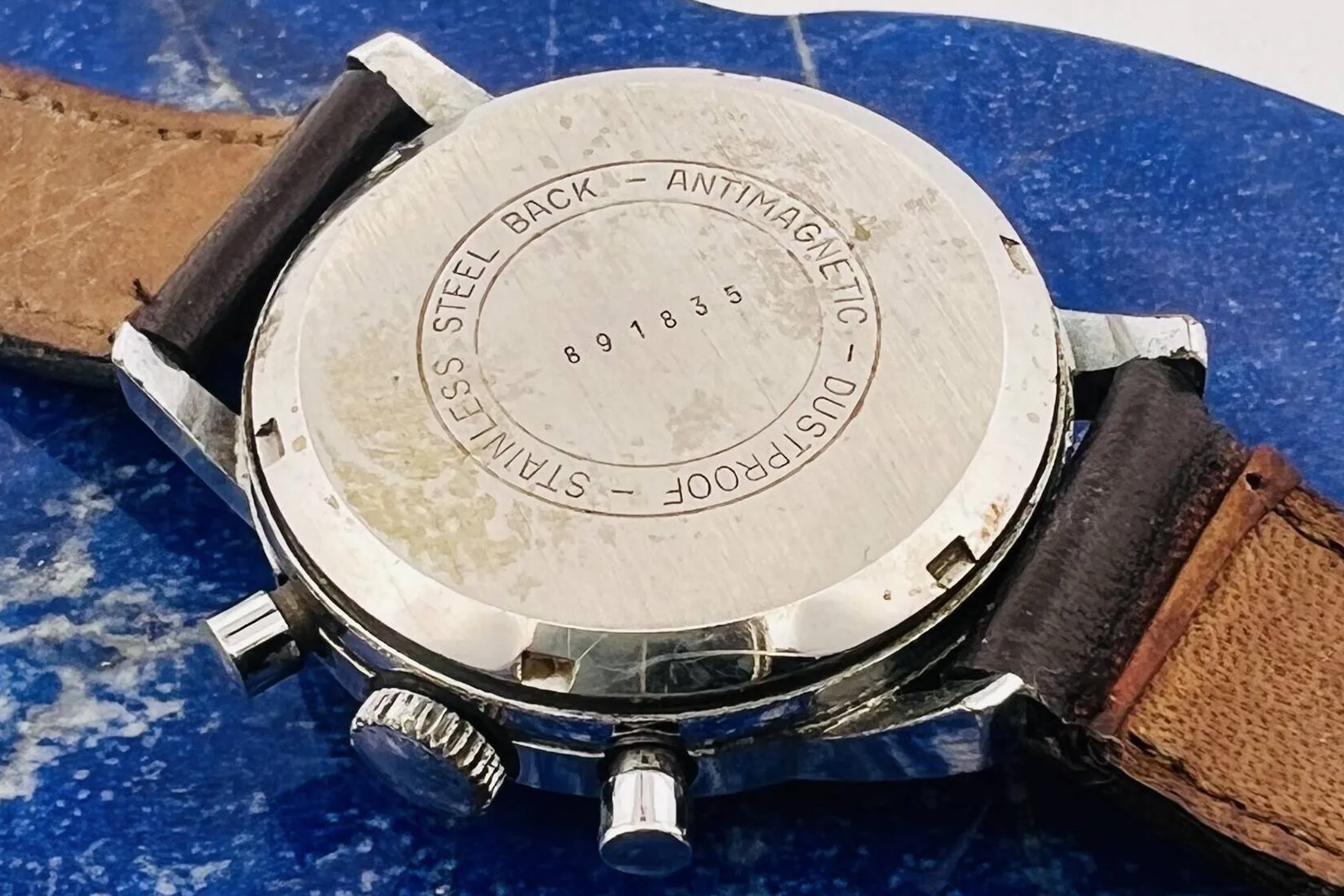
Beyond the dial and its unlumed dauphine hands, the metal case appears to be in remarkably solid condition, featuring crisp, well-defined caseback etchings that speak to a life handled with care. Because the listing—and this very report—places such heavy emphasis on the familial lineage of the watch, evaluating its pure baseline market value as a standalone timepiece becomes an intriguing exercise in modern valuation. What precisely is the premium attached to owning a watch directly from a Breguet family member? The market will definitively answer that question when the piece heads to auction with an ambitious pre-sale estimate ranging from €80,000 to €160,000.
LIP ‘Paul Newman’ Chronograph
This specific reference of the LIP chronograph was explored in substantial depth by industry researchers back in 2017, a fact that regrettably complicates any straightforward assessment of the exact example currently coming to market. While previous scholarship meticulously mapped out the factory variations of the reference, the watch currently under consideration does not neatly align with either of the benchmark examples previously documented by collectors.
Diligent horological historians are welcome to dive deeper into the manufacturing weeds of the brand, though it is worth remembering that LIP was navigating profound existential and financial struggles throughout the turbulent 1970s. Given those corporate hardships, expecting strict standardization regarding specific components, case variations, and dial marks across various production batches is likely a futile endeavor. It is safe to assume that this watch is entirely original, assembled from whatever parts happened to be available on the factory floor at the time, with absolutely no anticipation that it would one day be subjected to intense collector scrutiny.
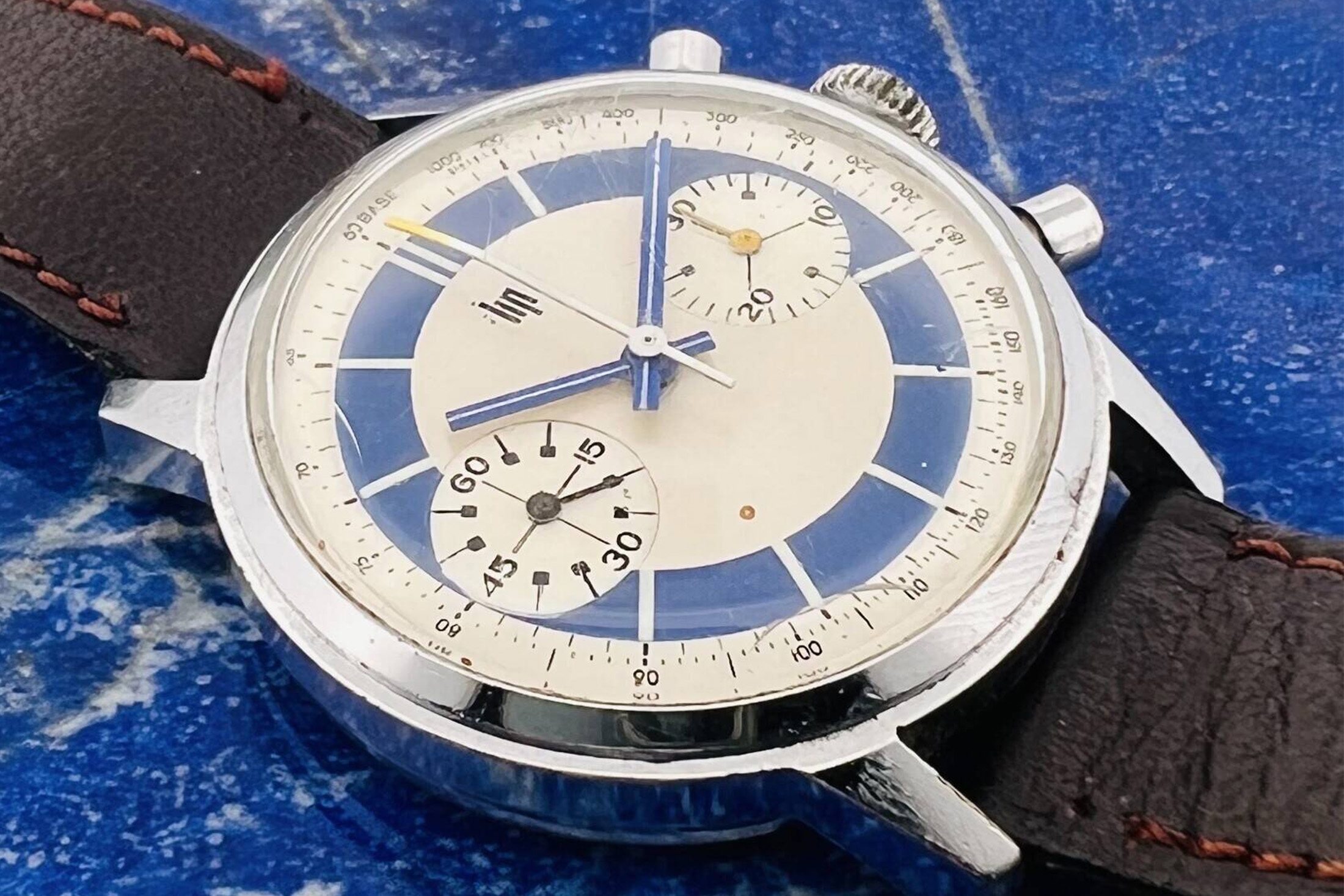
Setting aside the complicated manufacturing history of LIP and its fluid approach to hands and cases, the watch possesses undeniable visual appeal. The gold-plated case measures a wearable 36 millimeters, boasting sharp and defined lugs. Aside from a minor ding located at the bottom of the bezel positioned between the five and six o’clock markers, the case presents exceptionally well. Ultimately, however, collectors are drawn to this piece for its dial and handset, elements that only serve to deepen the intrigue. Specifically, the running seconds subdial at the nine o’clock position and the printed LIP logo both exhibit a slightly smudged appearance, suggesting an imperfect overprinting process during original production.
The black hand utilized on the nine o’clock subdial departs from the traditional configurations noted in prior scholarly articles, yet similar hand configurations have been documented on other verified examples that have successfully traded hands in the vintage market. The correct blue hour and minute hands remain visually striking, while the chronograph seconds and minute hands have gracefully faded to a pale orange patina. Powering the watch is a reliable Valjoux 7733 movement, though it currently requires professional intervention as the chronograph function is not actively operating. Fortunately, these movements are robust and ubiquitous enough that a competent watchmaker should be able to restore functionality with relative ease.
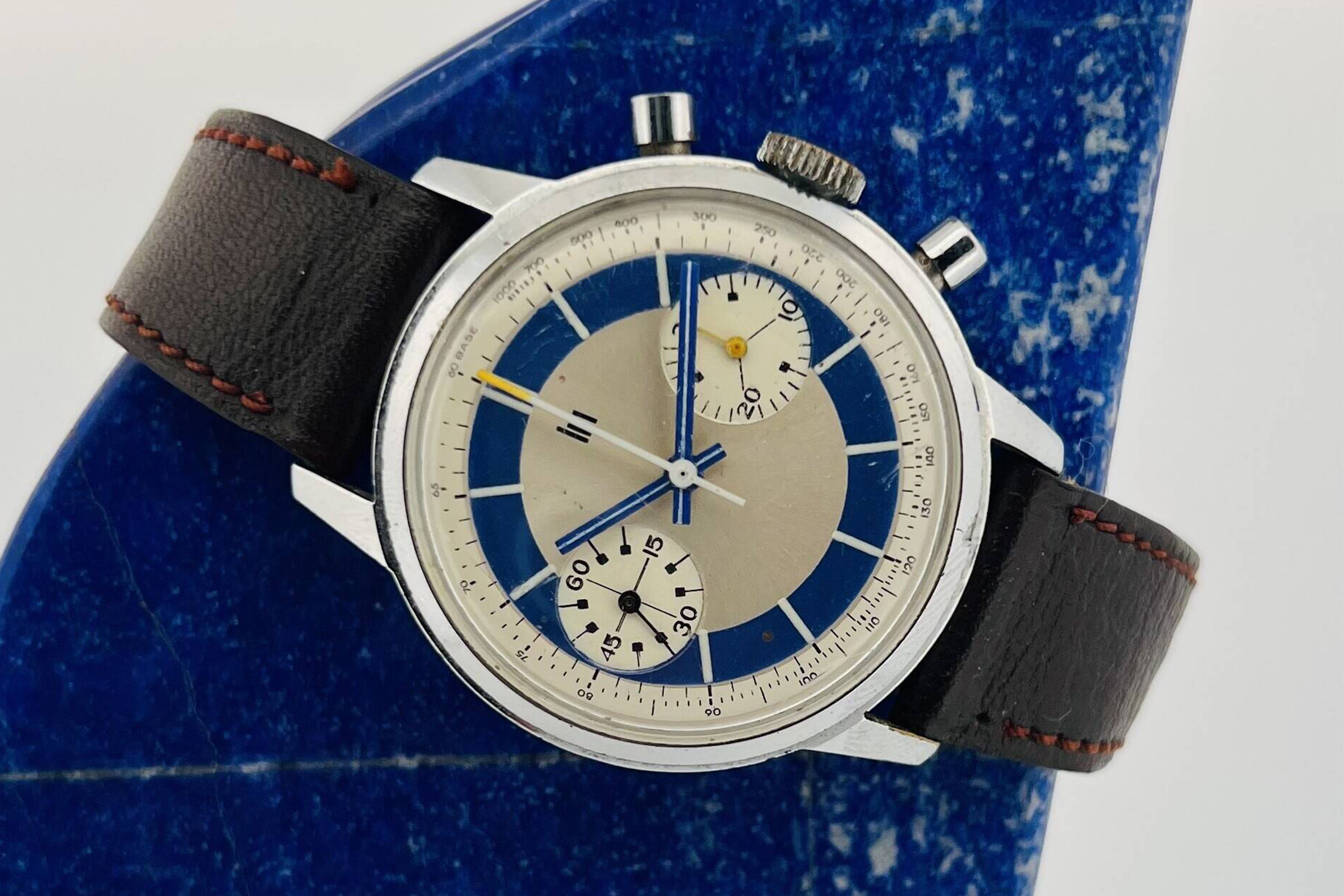
The watch is scheduled to cross the auction block next Thursday with a surprisingly modest estimate ranging from €500 to €800. For collectors who find this particular LIP chronograph insufficient, the same auction features an even rarer LIP reference 765, effectively functioning as a Breitling chronograph in all respects save for the brand name on the dial.
IWC Aquatimer Reference 812
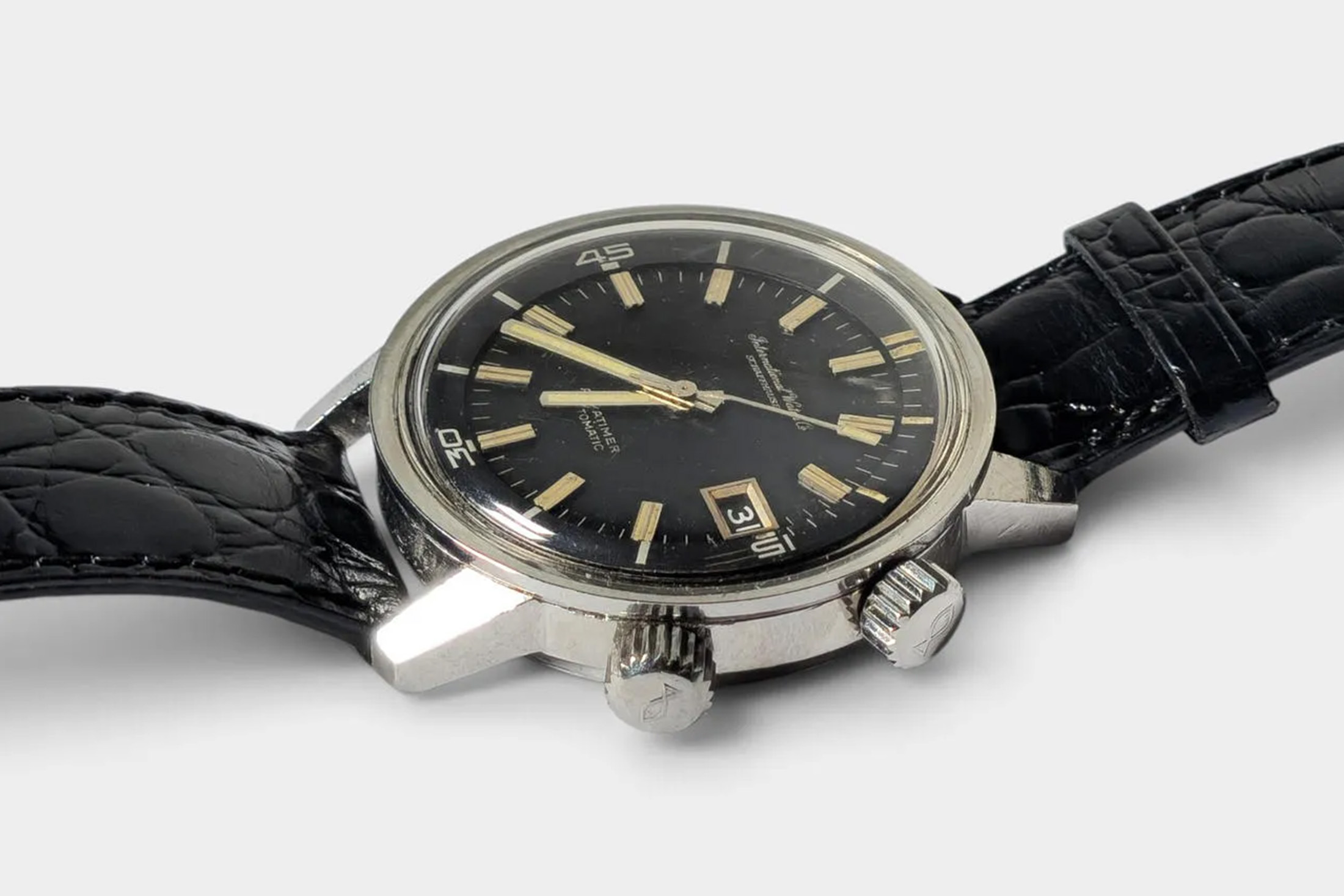
The enduring presence of the Aquatimer within IWC’s contemporary catalog naturally prompts a historical examination of the foundational reference that launched the line, though the primary reason to examine this particular piece is its sheer aesthetic brilliance. Foremost among its attributes is the reality that it represents a classic, highly desirable compressor-cased dive watch engineered by Ervin Piquerez S.A. (EPSA) during the golden age of 1960s diving instruments. While watches utilizing these patented super compressor cases are relatively plentiful and generally exceptional across the board, numerous heritage brands—including Hamilton and Bulova—leveraged similar designs during the era for buyers seeking alternative points of entry.
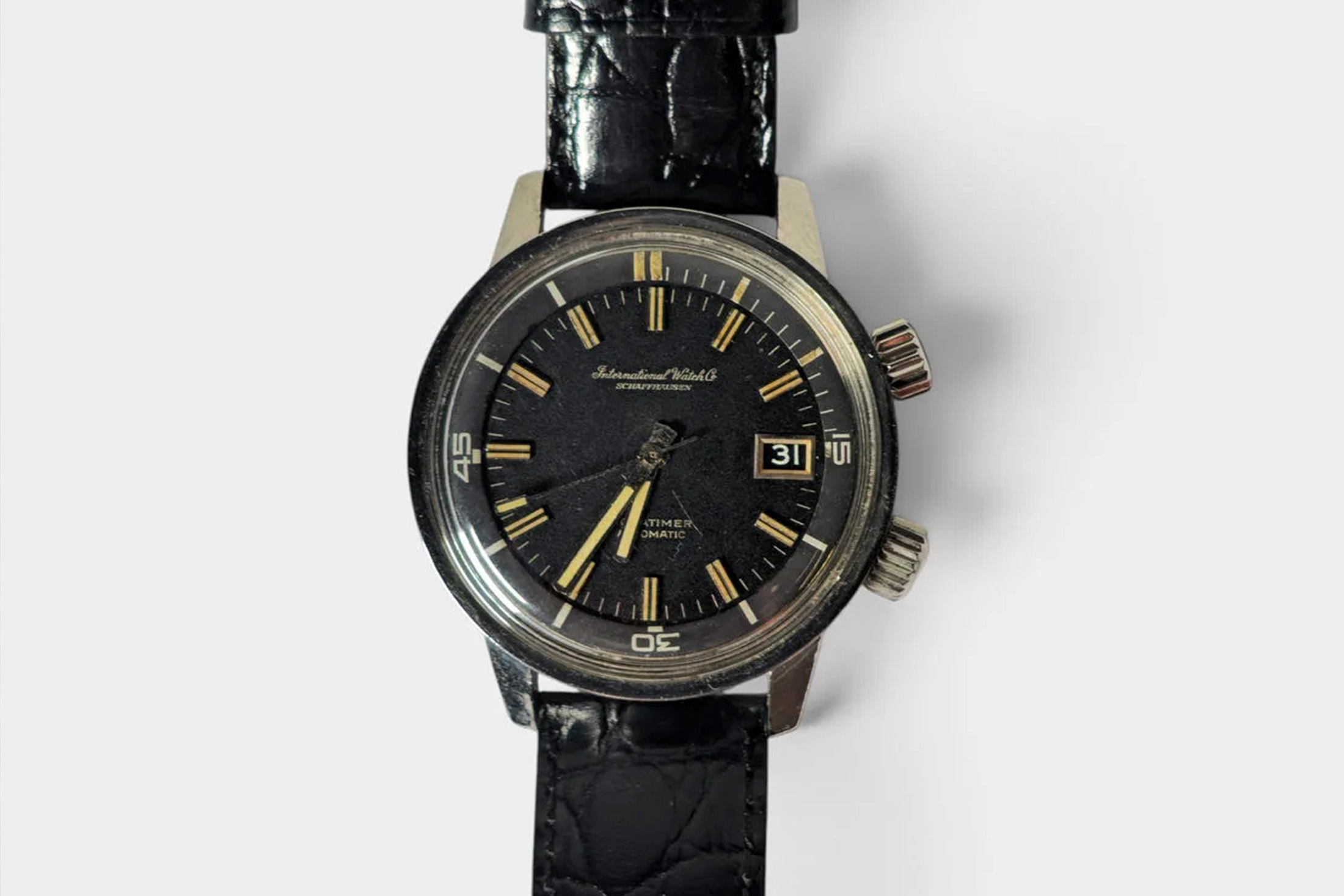
Introduced in 1967, the Aquatimer reference 812 marked IWC’s official entry into the competitive market for professional dive watches. Offering water resistance up to 20 atmospheres, the timepiece easily held its own against competing marine instruments of the period. The 37-millimeter stainless steel case shares the somewhat stubby profile characteristic of many compressor-cased watches of the decade due to its short, compact lugs. Even so, this particular example appears remarkably clean, while the presence of its original IWC signed crown provides comforting assurance that the watch has neither endured an excessively rugged life nor undergone aggressive over-polishing.
The true selling point of this Aquatimer, however, is the immaculate condition of its dial, hands, and internal rotating bezel. Although IWC ultimately manufactured four distinct dial and bezel variations for the reference, this represents the earliest, purest, and most sought-after configuration: a stark black rotating bezel paired with a matching black dial. The tritium lume is particularly noteworthy, not only for its uniform, warm aging across both the dial plots and handset, but also because the heavily filled hands remain entirely free of structural cracking. While no official global ranking exists for the coolest hands in watchmaking, the distinctive paddle-tipped seconds hand found on the IWC reference 812 easily deserves a spot near the upper tier of vintage design achievements.
Although the auction listing does not explicitly detail the internal machinery, the watch is driven by the legendary IWC caliber 8541, an exceptional automatic movement featuring a Breguet overcoil—the very same movement that powered IWC’s renowned Ingenieur models of the era. Disappointingly, the watch does not arrive on its original factory bracelet, though this omission may ultimately serve to keep the final acquisition cost slightly more accessible for prospective buyers. With a pre-sale estimate ranging between €5,000 and €5,500, the watch heads to auction in Spain next Thursday.
Boucheron White Gold Carrée
Concluding this week’s survey is a genuine mystery piece from a storied house. While collectors may be familiar with Boucheron from previous historical retrospectives, the brand remains an understudied cornerstone of high jewelry watchmaking, making historical comparisons and positive identification uniquely challenging. Above all else, Boucheron timepieces are fundamentally jewelry watches first and horological instruments second, prioritizing bold style and avant-garde design over traditional mechanical complexity.
Featured by dealers as a mid-1960s white gold Boucheron Carrée, the watch immediately commands attention via the massive, stylized, hand-painted gothic letter "B" emblazoned across the direct center of the silvered dial. Encountering such an eccentric design naturally inspires a quest to locate comparative examples to verify authenticity, which is where the journey becomes complex. Another Carrée in yellow gold featuring a nearly identical dial treatment exists within the inventory of the same specialized dealer, while a solitary white gold reference located through a Tokyo-based vintage specialist offered further reassurance. True comfort regarding the piece’s legitimacy was only secured after consulting leading scholarly authorities on the brand who maintain similar examples in their private collections.
Preamble and authentication hurdles aside, the watch is undeniably cool. Setting aside the dominant letter on the dial, the applied hour markers are wonderfully executed, particularly the prominent Roman numeral XII positioned at the top of the minute track. Measuring a diminutive 24 by 28 millimeters, the unpolished white gold case wears with subtle elegance while retaining crisp caseback engravings. True to form for the manufacturer’s innovative design ethos of the period, this Carrée utilizes a specialized strap-attachment mechanism similar to the famous Boucheron Reflet models, wherein retaining bars slide outward from the top and bottom of the case to secure the strap.
Offered by High End Time with an asking price of $9,150, this timepiece represents the ultimate acquisition for a collector who desires absolute exclusivity—a watch so uncommon that the likelihood of encountering another on a fellow enthusiast’s wrist is practically zero. There is an undeniable appeal in wearing a precious metal creation that manages to feel simultaneously extraordinarily refined while carrying the distinct, charming fingerprint of artisanal handcraftsmanship.