



The contemporary design landscape is constantly evolving, driven by an intersection of material innovation, cultural storytelling, and boundary-pushing collaborations between artists, architects, and institutions. Across the globe, creators are reimagining how everyday objects, living environments, and cultural spaces interact with human behavior. Recent developments highlight this dynamic shift, ranging from high-profile horological collaborations and pop-culture architectural marvels to intimate design dialogues in historic neighborhoods and deep inquiries into the spaces we inhabit.
At the forefront of this multidisciplinary movement are renowned studios and visionary creators whose work challenges traditional categorizations. Whether scaling down monumental sculptures into wearable art, translating nostalgic gaming culture into habitable architecture, or curating profound cultural exhibitions that examine humanity’s relationship with the earth, the design world continues to serve as a mirror for contemporary values and lifestyle shifts.
Bridging Scales: From Monumental Sculpture to Wearable Art
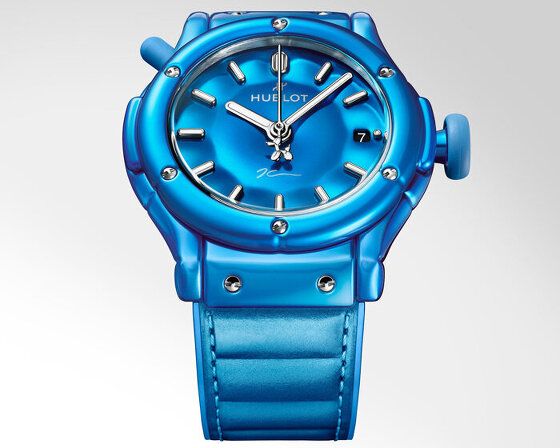
One of the most striking convergences of fine art and high-end manufacturing is visible in the ongoing dialogue between contemporary sculptors and luxury brands. A prime example of this cross-pollination is the creative translation of Jeff Koons’ iconic aesthetic into a wearable format. Known for his larger-than-life interventions in the public sphere and museums worldwide, Koons has famously taken his signature balloon dog motif—previously realized as towering, mirror-polished monumental sculptures—and compressed its playful geometry into a delicate 42-millimeter object for the wrist.
This transformation involves Hublot’s classic fusion model, serving as a canvas for Koons’ distinct visual language. By shifting scale so dramatically, the project explores how monumental art can be domesticated and internalized into personal accessories without losing its theatrical impact. It raises questions about intimacy, consumer culture, and the democratization of iconic artworks, allowing collectors to carry a piece of contemporary art history directly on their person. The intersection of horology and high art demonstrates a growing appetite for objects that transcend their primary utilitarian function to become wearable cultural statements.
Pop Culture Meets the Built Environment in Japan
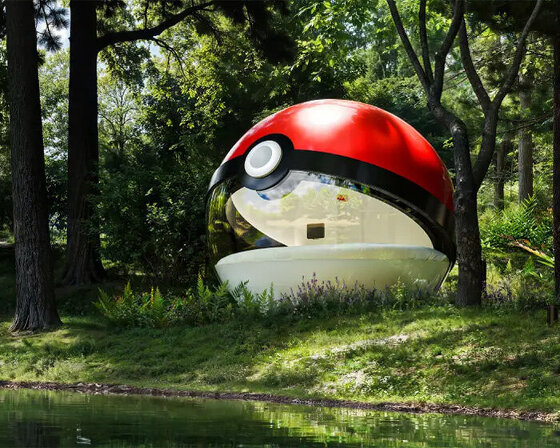
While fine art finds a home in luxury accessories, architecture and hospitality are similarly pushing the boundaries of imagination by drawing inspiration from unexpected cultural touchstones. In Japan, the hospitality sector has witnessed a playful yet sophisticated development with the introduction of a fully inhabitable hotel concept by NOT A HOTEL, which scales up the instantly recognizable Poké Ball into a human-sized sleeping pod and retreat.
This ambitious project brings the vibrant, globally recognized world of Pokémon directly into the built environment, shifting the narrative of themed hospitality toward high design and architectural rigor. Rather than serving as a superficial novelty, the structure is meticulously engineered as a compact retreat shaped around the fundamental human need for sleep and psychological refuge. By transforming an iconic spherical icon of gaming culture into a functional, immersive architectural space, the designers challenge conventional notions of hospitality and spatial design. The project demonstrates how popular culture can inform serious architectural experimentation, offering visitors a unique mode of habitation that blurs the line between fantasy and reality.
Design Dialogues and Community Gathering in Paris
Beyond individual product and architectural interventions, the contemporary design discourse relies heavily on physical gatherings, debates, and collaborative making. This was vividly captured during a recent week of conversations, gatherings, and hands-on making held in the historic Marais district of Paris. As part of a new travelling series, the initiative brought together a diverse community of international designers, architects, industry collaborators, and creative minds for an intensive week of dialogue and shared craftsmanship.
Set against the atmospheric backdrop of the Marais, the events emphasized the importance of physical proximity and tactile engagement in an increasingly digital world. Participants engaged in hands-on activities, workshops, and panel discussions that explored the pressing challenges and opportunities facing the contemporary creative industries. By fostering an environment of open exchange and collaborative making, the gathering underscored the vital role that community plays in shaping the future of design, proving that physical spaces for dialogue remain essential catalysts for creative innovation.
Modes of Habitation: How Spaces Shape Everyday Life
Underpinning all these spatial and material explorations is a fundamental question regarding how humans occupy the built environment. Recent reflections on "modes of habitation" suggest that the spaces we inhabit are far from passive containers; rather, they reveal themselves as active participants in everyday life. From domestic interiors and urban workspaces to temporary pop-up structures and nomadic retreats, architecture and interior design actively shape how we move, work, rest, and meet others.
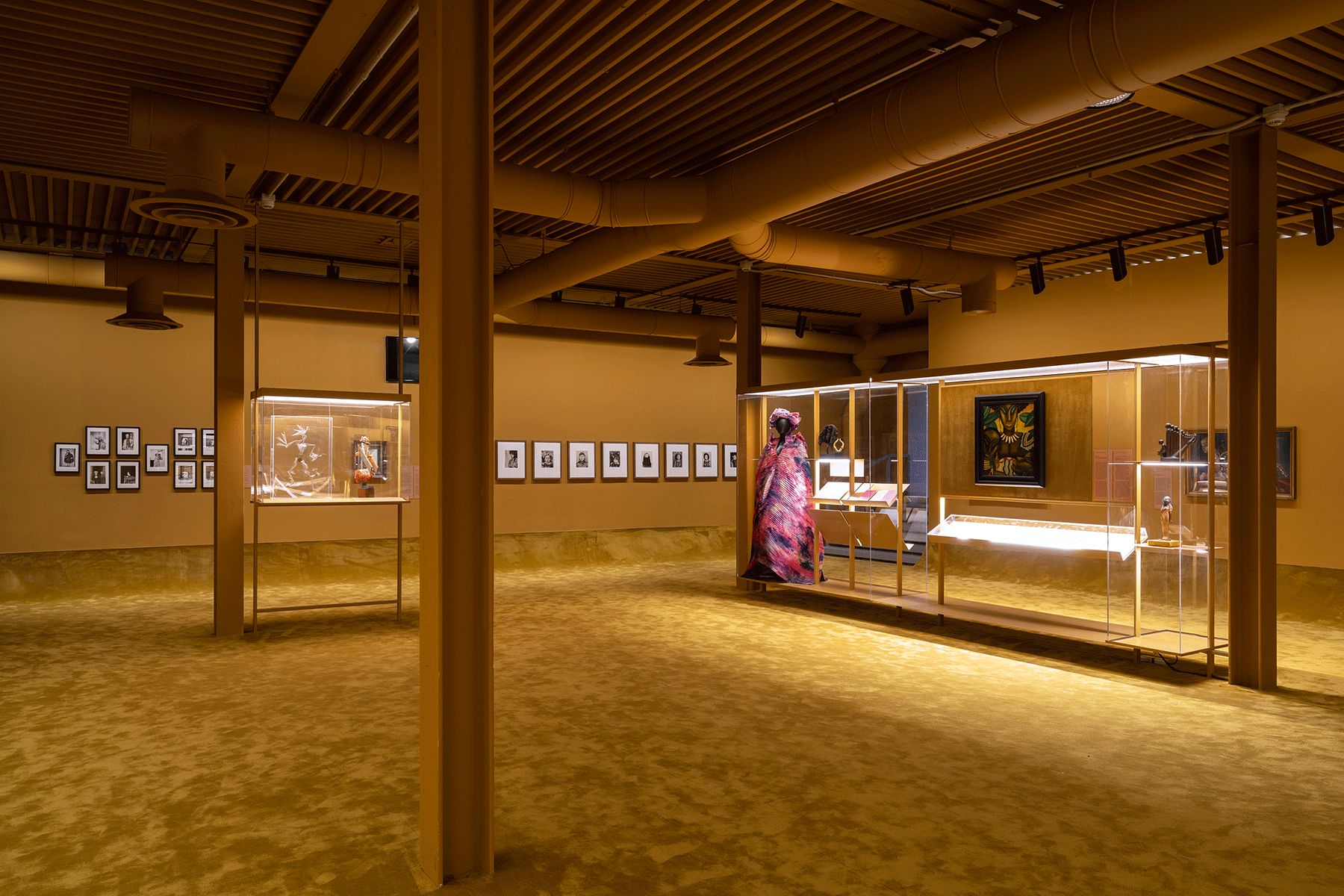
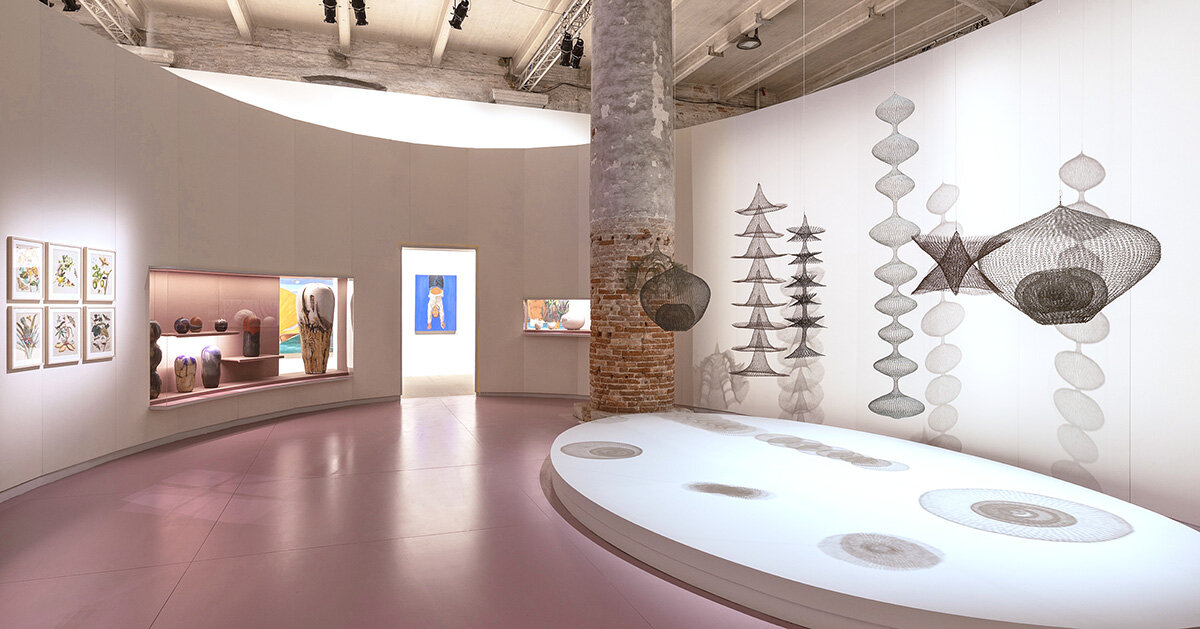
Exhibitions and curatorial projects—such as those by influential design collectives like Formafantasma, whose thoughtful scenography and material research have defined major cultural events like the Biennale Arte and prominent museum exhibitions—frequently probe these deeper connections. By interrogating the origins of materials, the politics of production, and the emotional resonance of interiors, contemporary designers encourage a more conscious relationship with our surroundings. As our understanding of habitation evolves to encompass ecological awareness, technological integration, and changing social structures, the spaces we create will continue to reflect our evolving aspirations and responsibilities toward the world we share.