





As climate change continues to drive up global temperatures and intensify the frequency of severe heatwaves, navigating the sweltering summer months presents a daily challenge for millions of people. During peak heat, the immediate instinct is often purely functional: finding whatever garment will keep the body coolest. In moments of extreme discomfort, considerations of ethics, manufacturing supply chains, and environmental impact can easily fall by the wayside.
However, climate experts and sustainable fashion advocates point out that consumers do not necessarily have to choose between personal comfort and environmental responsibility. In fact, many of the world’s most breathable and cooling natural fabrics happen to be among the most responsible choices available on the market. With large swaths of Europe and other regions experiencing record-breaking temperatures this season, the intersection of climate adaptation and sustainable living has become a pressing topic of discussion for conscious consumers seeking to balance thermal relief with ecological mindfulness.
Opt for Lighter, More Breathable Materials
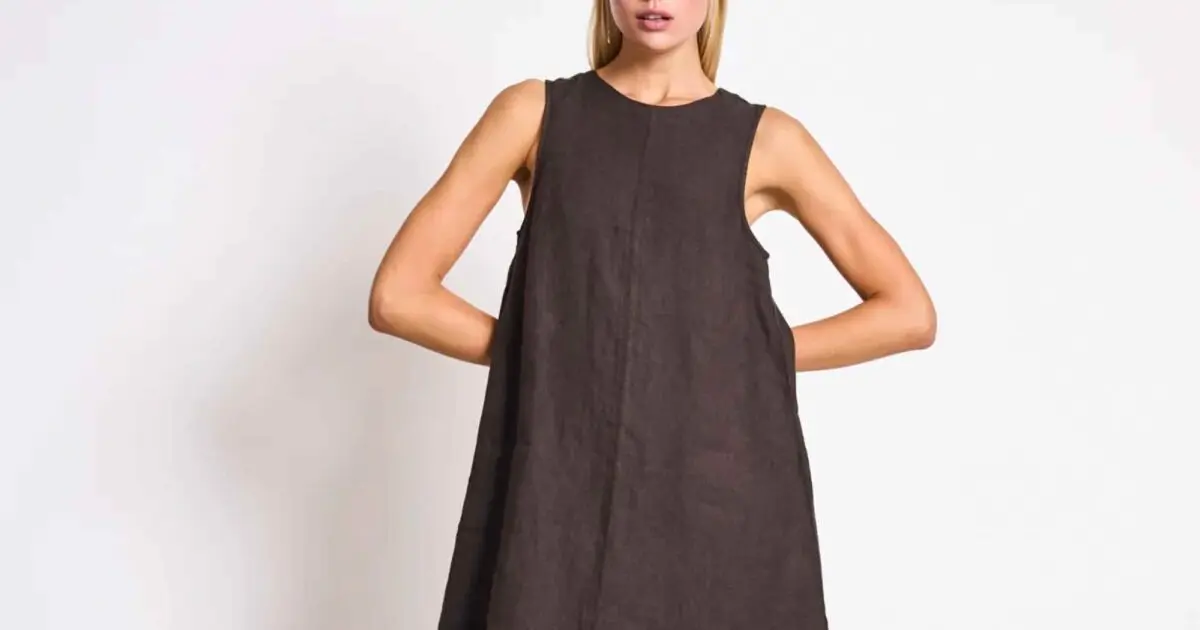
In hot and sticky environments, lighter clothing is the obvious choice for regulating body temperature and avoiding overheating. When evaluating the sustainability of these lighter garments, however, material provenance matters significantly. Industry experts consistently point to organic linen and hemp as the premier choices for warm-weather apparel. When left untreated with harsh chemical finishes or toxic synthetic dyes, these natural fibers are entirely biodegradable. Furthermore, both linen and hemp possess natural moisture-wicking and quick-drying properties that make them exceptionally comfortable during intense heatwaves.
Alternative materials such as TENCEL Lyocell, alongside recycled or organically grown cotton, share similar breathability and fast-drying characteristics, positioning them as strong secondary options for a warm-weather wardrobe. Brands specializing in these materials are increasingly meeting consumer demand for ethical alternatives. For instance, the Indian label SUI creates artisanal womenswear across an inclusive size range from 2XS to 2XL, with every garment meticulously crafted within its dedicated workshop in Delhi, highlighting how traditional craftsmanship can align with lower-impact material choices.
Choose Non-Synthetic, Active Alternatives
Regardless of whether an individual is engaging in rigorous physical exertion or simply sitting still in the stifling air, high temperatures inevitably trigger perspiration. For those seeking comfort during active moments or daily commutes, investing in quality activewear designed for breathability and moisture management is essential. Yet, consumers are urged to exercise caution and actively avoid polyester and other conventional synthetics.
Synthetic activewear fabrics present a dual problem during hot weather. First, they fail to encourage proper airflow, trapping heat and moisture against the skin, which ultimately leaves the wearer feeling hotter and stickier for longer periods. Second, and perhaps more concerning from an environmental standpoint, these materials shed microscopic plastic particles into the water system every time they are laundered. In response, a growing number of sustainable activewear brands are developing plastic-free alternatives to polyester, favoring plant-based fibers like bamboo-viscose and TENCEL Lyocell to ensure that performance apparel remains gentle on both the wearer and the natural environment.
Block Out the Intense Sun
Shielding the body from punishing ultraviolet rays is a critical component of summer safety, but doing so responsibly requires looking beyond conventional accessories. When the sun is at its peak, pairing a reliable set of sustainable sunglasses with a wide-brimmed hat offers effective protection without relying on ecologically damaging production methods.
For eyewear, more responsible manufacturing practices involve the use of recycled plastics, sustainably harvested bamboo, natural wood, and bio-acetate, which reduce reliance on virgin petroleum products. When selecting sun hats, consumers can apply the same material logic used for warm-weather garments, prioritizing organic linen, hemp, and recycled or organic cotton. Brands like Canadian apparel maker tentree embody this holistic approach to Earth-first manufacturing. Operating with a business model centered on ecosystem regeneration, tentree plants ten trees for every item purchased—having already surpassed 65 million trees planted globally—while ensuring its lower-impact and recycled materials are produced under fair and safe working conditions across sizes XS to XL.
Use Sunscreen from Brands That Care
Much like the broader beauty and cosmetics industry, commercial sunscreens are far from uniform in their chemical composition and environmental safety profile. Dermatologists and environmental advocates routinely advise consumers to scrutinize ingredient labels and avoid products containing harmful plastics and chemical pollutants such as oxybenzone, nano zinc oxide, and titanium dioxide, all of which have been linked to coral reef degradation and marine ecosystem disruption.
Fortunately, a select group of highly rated beauty brands is formulating suncare products that completely omit these hazardous pollutants, often backing their claims with rigorous third-party certifications that guarantee ecotoxicity prevention. Brands such as Odylique cater directly to consumers with sensitive skin by producing vegan beauty products formulated entirely with ingredients certified to the strict organic standards set by the Soil Association, proving that personal health and environmental protection can go hand in hand during the summer months.
Consider Sustainable Swimwear Options
While access to a refreshing body of water to cool off during a heatwave is not universally shared, those who do have the opportunity are naturally inclined to take advantage of it. However, swimwear remains one of the most notoriously difficult sectors within the sustainable fashion movement. The vast majority of commercially available swimming garments are constructed from conventional synthetic blends like nylon and spandex, which offer the necessary elasticity and water resistance but carry a heavy environmental footprint.
Conscious consumers seeking lower-impact alternatives should keep an eye out for swimwear manufactured from innovative materials that reduce reliance on virgin synthetics, such as ECONYL—a regenerated nylon made from recovered ocean waste—or durable hemp blends. When paired with consumer habits like reducing the frequency of washing synthetic garments and retaining them for multiple seasons, these material choices represent the most viable path toward minimizing the ecological impact of beachwear and bikinis.
Specialized labels are actively proving that alternative swimwear is commercially viable. Natasha Tonic utilizes a natural hemp-based fabric that is naturally antimicrobial, ultraviolet-resistant, highly durable, and inherently healthier for both human skin and marine ecosystems, with each unique piece finished through hand-printing. Similarly, the Portuguese brand ColieCo operates on a handmade-to-order production model for its premium lingerie, underwear, and swimwear ranges, manufacturing every garment exclusively from responsibly sourced, lower-impact fabrics across an inclusive size spectrum from 2XS to 3XL.
As extreme weather events become an increasingly frequent reality of modern life, the fashion and beauty industries face mounting pressure to adapt alongside consumers. By making intentional choices regarding fabrics, accessories, personal care, and recreational wear, individuals can navigate the discomfort of rising temperatures while actively supporting a more sustainable and resilient future.