





It has been only a few weeks since Charles Spencer’s new memoir, Swan Song: Diana, my sister, officially hit bookstore shelves, but the deeply personal volume is already generating extensive public discussion and debate. From bombshell revelations that promptly prompted an official statement from Buckingham Palace to reported concerns from Prince Harry regarding the intimate project, the memoir has continued to dominate headlines across the globe. Yet, as the promotional tour for the book continues, it is becoming increasingly clear that the conversation surrounding the late Princess of Wales and her complex legacy is far from over.
During a candid interview with veteran journalist and author Tina Brown, the 9th Earl Spencer opened up extensively about his late sister, offering rare insights into her character, her struggles within the royal fold, and the life he genuinely believes she might have lived had she never married into the British royal family.
The conversation turned toward a poignant hypothetical scenario when Brown posed a profound and emotionally heavy question to the author: “What do you think Diana would have been if she hadn’t married the heir to the throne?”
Spencer’s response was remarkably swift, direct, and stripped of any diplomatic hesitation. With striking simplicity, he offered a single, resonant word: “Happy.”
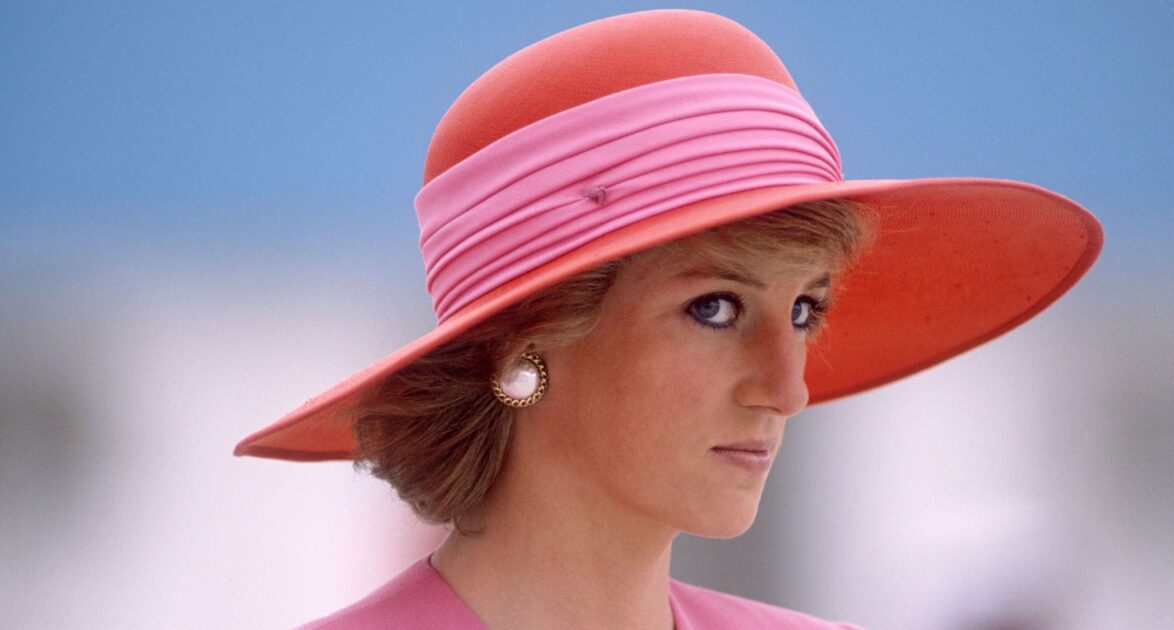
That single answer, spoken with the quiet weight of a brother who watched his sister navigate the most turbulent years of her public and private life, immediately captivated royal observers and readers alike. It spoke volumes about the profound personal toll that royal life took on Princess Diana, framing her entry into the House of Windsor not as a fairy-tale triumph, but as a tragic diversion from a life of potential peace and personal fulfillment.
Elaborating on his brief yet powerful statement, Spencer went on to explain why he believes life inside the British monarchy can be particularly challenging, isolating, and punishing for those who marry into the institution from the outside world. According to the 9th Earl, individuals who grow up within the royal family—surrounded by its rigid protocols, intense scrutiny, and unique ecosystem from birth—may find it considerably easier to understand the institution and its unyielding expectations. For outsiders, however, the experience is radically and often destructively different.
“Well, there are people who endure it,” Spencer remarked during the interview, reflecting on the generational demands placed upon senior royals and their spouses. “I think there are certain people who find it very difficult to be inside of it. I think if you grow up in a royal family, it’s a lot easier than marrying into it.”
He added further context to his observation, noting that the reality for royal brides and grooms who enter the family as commoners is uniquely arduous. “If you look at the wives of those who’ve married in, it’s tough,” Spencer said, before pointing out that the ancient monarchy operates according to “a way of thinking that is very specific,” which can alienate those who did not spend their formative years absorbing its culture.
Throughout the rollout of Swan Song, Spencer has consistently emphasized that the memoir is the most personal and emotionally demanding project of his literary career. Ahead of its official publication, he shared photographs of himself holding the newly printed physical copies of the book on social media, expressing a mixture of professional pride and deep personal vulnerability. He noted that the release marked a milestone as the most intimate of the ten books he has authored over the past three decades of his writing career.

Describing the memoir in his own words, Spencer characterized the volume as “a brother’s simple tribute to an extraordinary sister.” The writing and production process proved to be an emotional journey, particularly when it came time to record the audiobook edition. Spencer revealed that upon completing the audio recording, he felt an overwhelming sense of closure—the distinct realization that he had finally articulated everything he needed to say about Diana, her life, and her legacy. Furthermore, he expressed a deep-seated belief that his late sister “would, I reckon, have approved of every word.”
The publication of Swan Song arrives at a time of continued fascination with the life and enduring impact of Princess Diana, whose memory remains a powerful touchstone within British culture and royal history. While Buckingham Palace and members of the extended royal family have occasionally found themselves responding to the revelations and perspectives shared by family members in recent memoirs, books like Spencer’s continue to offer deeply personal, familial vantage points that contrast sharply with official institutional narratives.
For readers and royal watchers seeking a more intimate understanding of the princess before her tragic passing, Swan Song: Diana, my sister offers a unique perspective rooted in sibling loyalty and shared childhood memories. Yet, it is Charles Spencer’s haunting and concise assessment during his conversation with Tina Brown—his firm belief that his sister would have simply been happy had she walked a different path—that may ultimately define the conversation surrounding his latest literary work.