





A remarkable recent expedition through Peru offers travelers a masterclass in geographical and cultural transitions, weaving together a route that spans four distinct properties from the seaside metropolis of Lima up into the high-altitude cradle of the Andes. This carefully curated journey moves deliberately through shifting ecosystems—transitioning from the coastal capital to the low desert sands of the Pacific shore, climbing into the agricultural heart of the Sacred Valley, and culminating among the historic, stone-lined streets of Cusco. Rather than functioning as disconnected luxury accommodations, these four hotels operate as individual chapters in a single narrative, demonstrating how thoughtful hospitality can honor both the natural environment and the ancestral traditions of a country where history and daily life remain deeply intertwined.
The Opening Note: The Westin Lima
Every grand journey requires a steady point of departure, and this exploration begins high above the bustling San Isidro financial district at The Westin Lima. Positioned in the capital’s commercial hub, the property utilizes advanced soundproofing to transform the constant hum of city traffic below into a distant, muted backdrop against sweeping views of illuminated urban skylines. Beyond its commanding presence on the skyline, the hotel holds the distinction of being the first in Latin America to earn LEED Gold certification, establishing an early precedent for environmental stewardship that echoes throughout the entire journey into the mountains.
Before the evening transitions into musical interludes, guests can explore The Pisco Room by Viñas de Oro, an intimate enclave dedicated to unpacking the history, complex aromas, and distinct profiles of Peru’s national spirit. Visitors have the opportunity to step behind the bar for a hands-on masterclass dedicated to crafting the classic pisco sour. For those wishing to bring a tangible memory home, a custom bottling experience allows participants to blend preferred pisco strains, seal the final product with a personalized label bearing their name, and depart with a master tour certificate commemorating the evening.
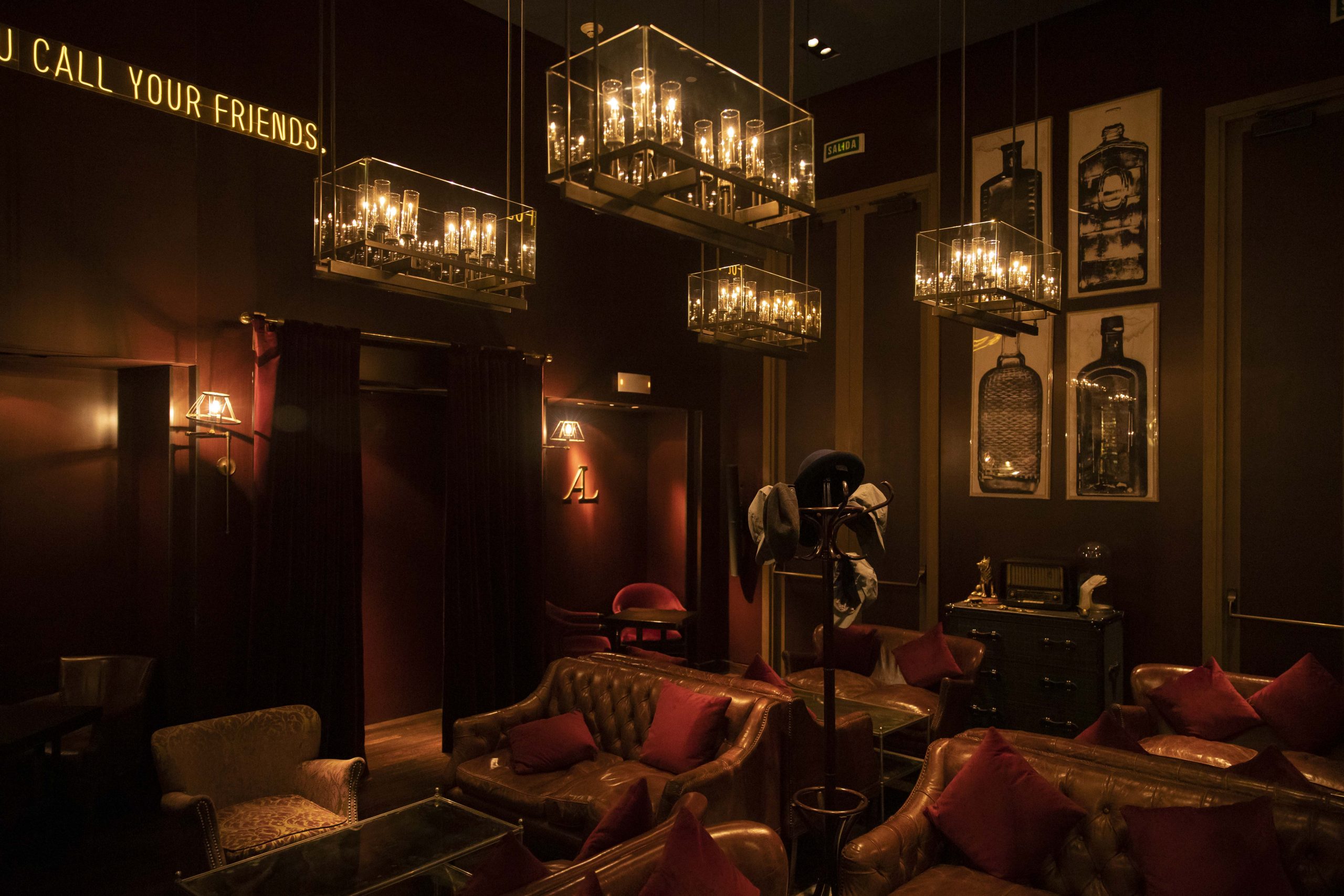
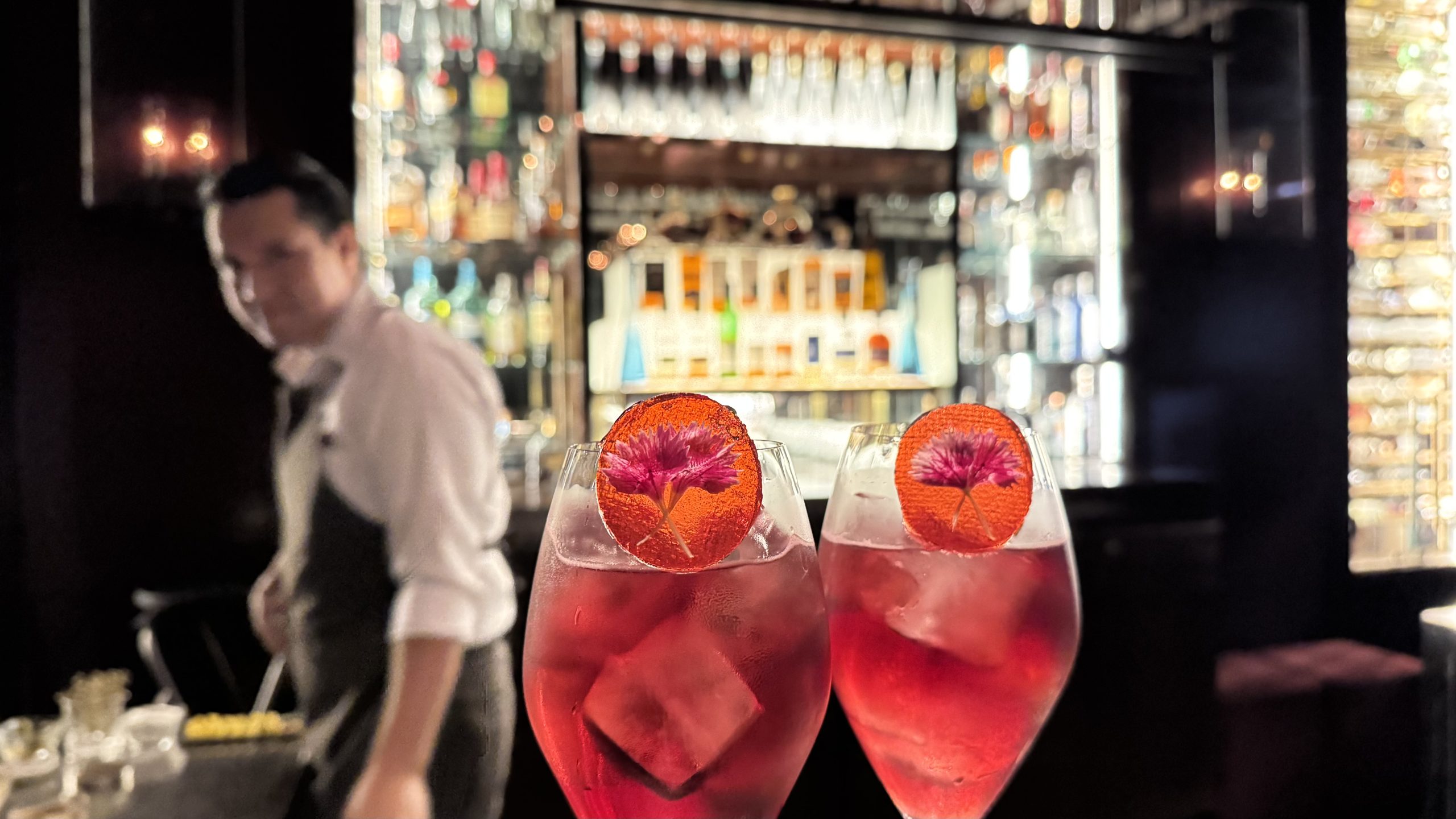
As night falls, visitors seek out Alphonse, a hidden speakeasy tucked away behind a discreet bookcase. The experience begins in the hotel lobby with a subtle nod—a golden vinyl record mounted on the wall. Passing through the hidden entrance reveals a dimly lit sanctuary of low amber illumination, vintage glassware, and plush velvet corners. A live saxophone weaves between tables, delivering soulful jazz that easily displaces the fatigue of long-distance travel, while bartenders slide across cognac-and-apple cocktails bearing names fit for classic cinema.
Culinary exploration at the property centers on Maras, the signature dining room led by acclaimed corporate chef Rafael Piqueras. A native of Cusco who honed his craft in some of Europe’s most demanding kitchens, Piqueras named his restaurant after the famous pink salt pans of the Sacred Valley. His menu takes diners on a geographical tour of Peru, moving fluidly from the Pacific coast through the rugged mountains and deep into the jungle. By the time dessert is served, guests have already tasted a compelling preview of the adventures awaiting them further inland.
Where the Desert Meets the Sea: Hotel Paracas, A Luxury Collection Resort
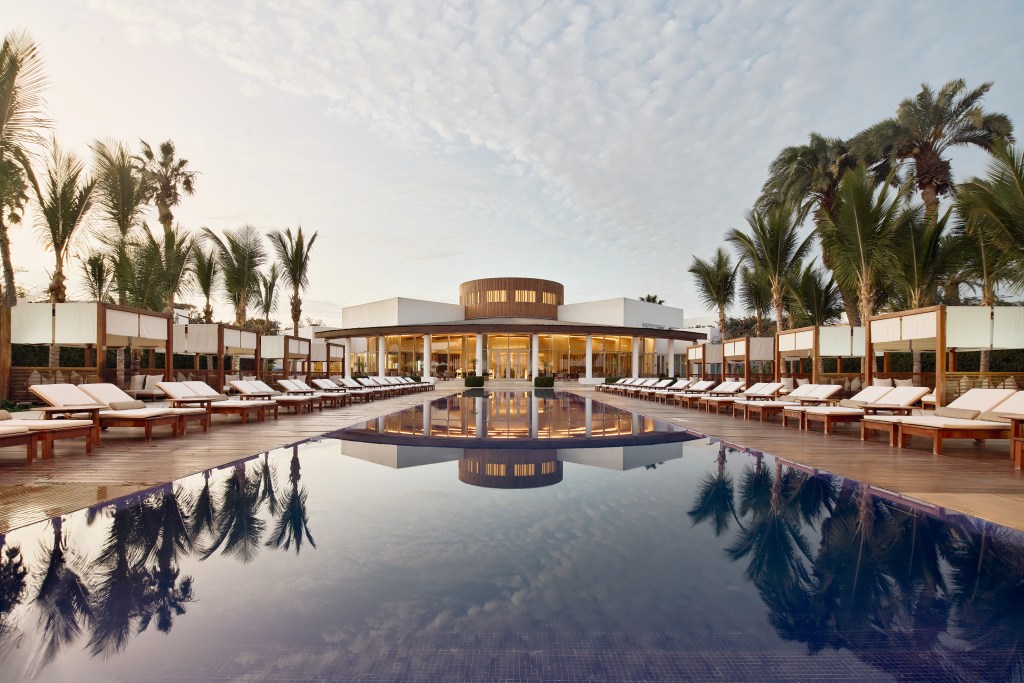
Leaving the urban towers of Lima behind, the route heads south, trading concrete for sweeping coastal dunes until the vast Pacific Ocean breaks against the shoreline at Paracas Bay. Here stands a whitewashed retreat accented by striking cobalt-blue doors, designed by architect Bernardo Fort-Brescia. Utilizing organic materials like bamboo, local stone, and soft linens, Hotel Paracas is engineered to sit quietly within its stark coastal environment, with every terrace oriented toward either the open waters of the bay or lush interior gardens.
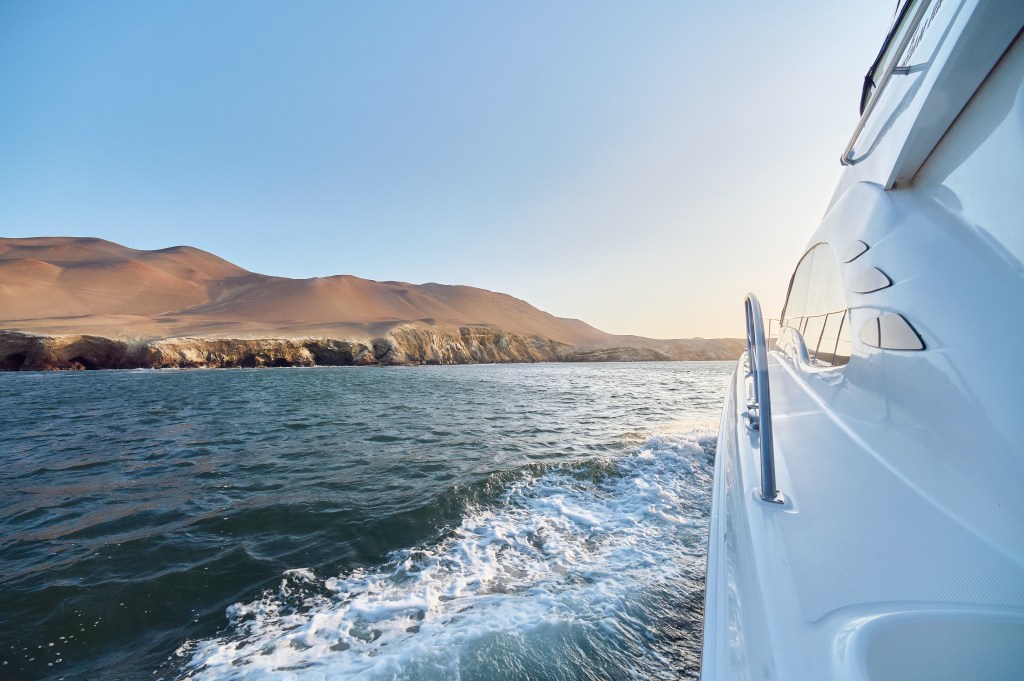
From the resort’s private dock, marine excursions carry visitors out to the Ballestas Islands, a protected sanctuary teeming with sea lions, Humboldt penguins, and thousands of seabirds. Out on the open water, travelers can participate in harvesting fresh scallops straight from the bay. This catch returns to the shore to be served at Chalana, the resort’s restaurant located at the very end of the pier, where raw ceviche and freshly shucked seafood are paired with panoramic views of the bay shifting into deep copper hues as the sun sets.
Beyond maritime pursuits, the surrounding desert offers high-octane adventure. Guided sand biking, dune driving, and excursions in specialized dune buggies take guests up and down golden ridges that roll out toward the horizon. The striking element of the landscape is the constant proximity of the sea—a brilliant ribbon of Pacific blue running parallel to an expanse so vast and silent it feels like the edge of the world. Operating at sea level, this stop provides a reserve of physical ease and warmth before the journey tackles the significant altitudes ahead.
A Valley That Feeds its Guests: Tambo del Inka, a Luxury Collection Resort & Spa, Sacred Valley
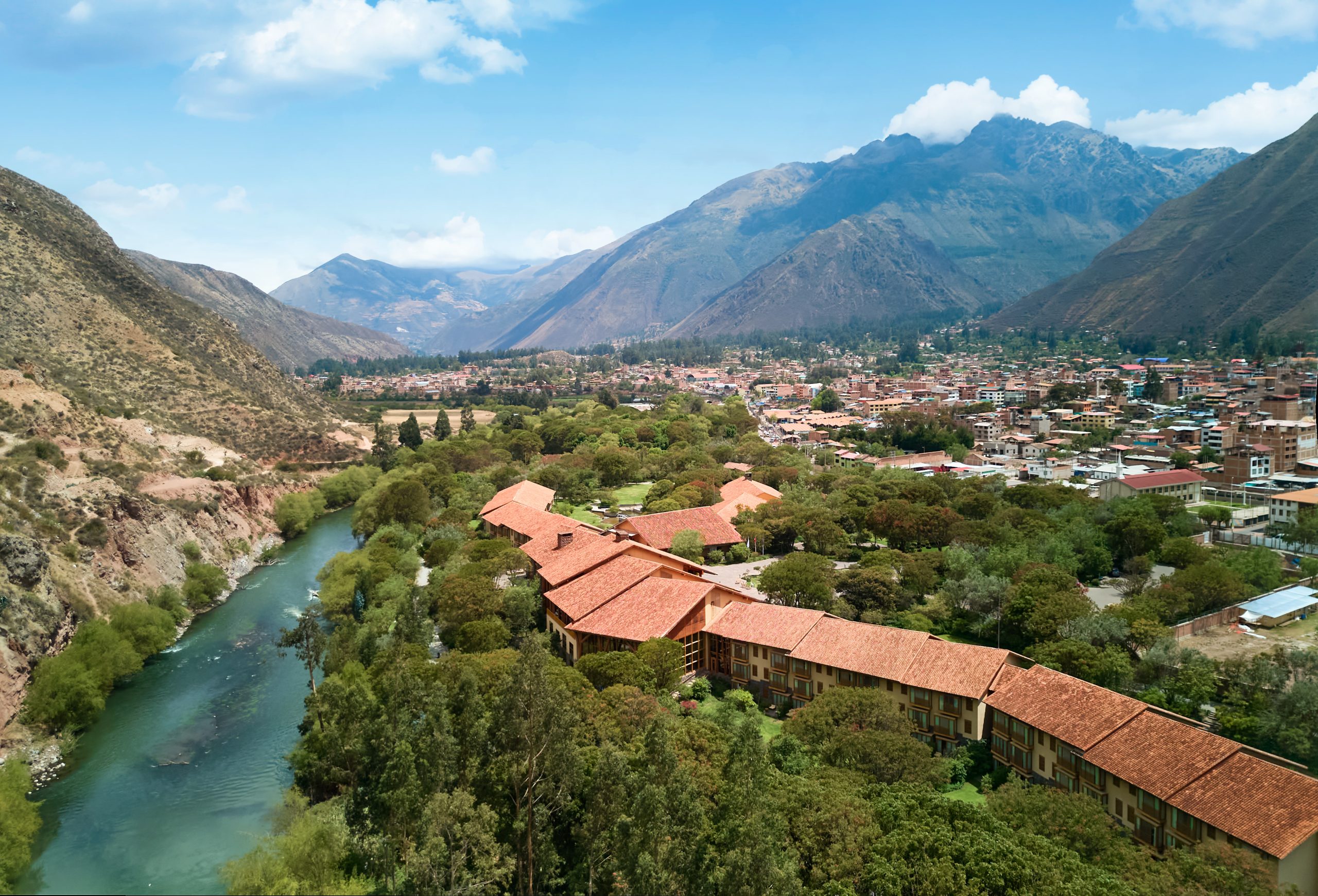
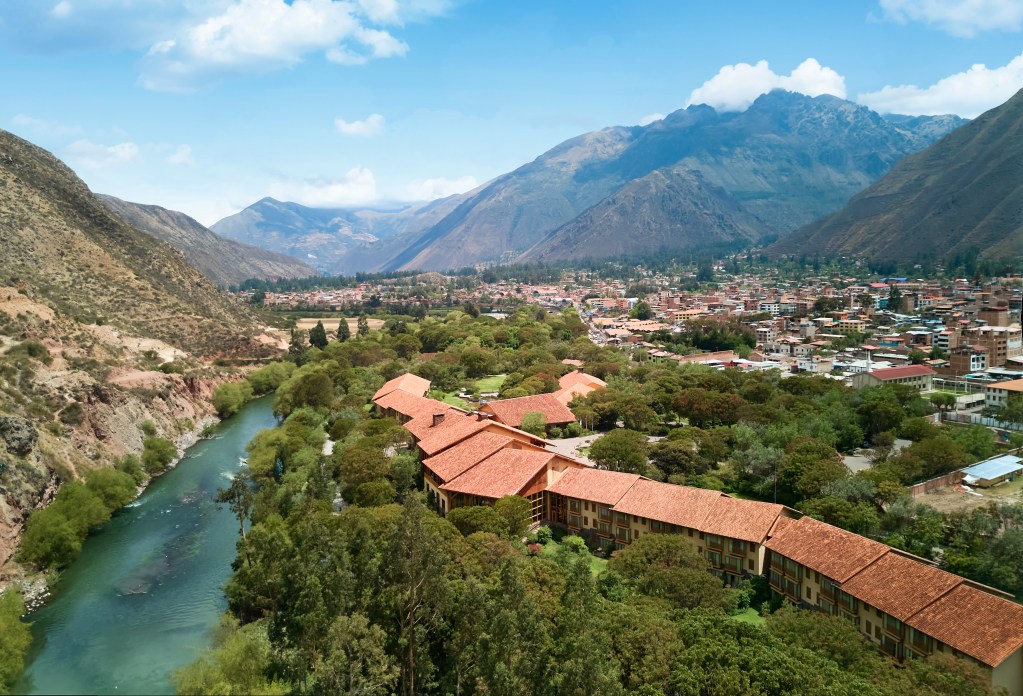
From the coastal desert, travelers take a short flight into the Andes and descend by road into the Sacred Valley, flanked by the rushing waters of the Urubamba River. At approximately 9,400 feet above sea level—roughly 2,000 feet lower than Cusco—the valley air is noticeably thinner, offering the body a gradual, manageable introduction to high-altitude environments. Taking its name from the historical tambos, the way stations along ancient Inca roads that provided weary travelers with essential food and shelter, Tambo del Inka welcomes modern visitors in the very same spirit.
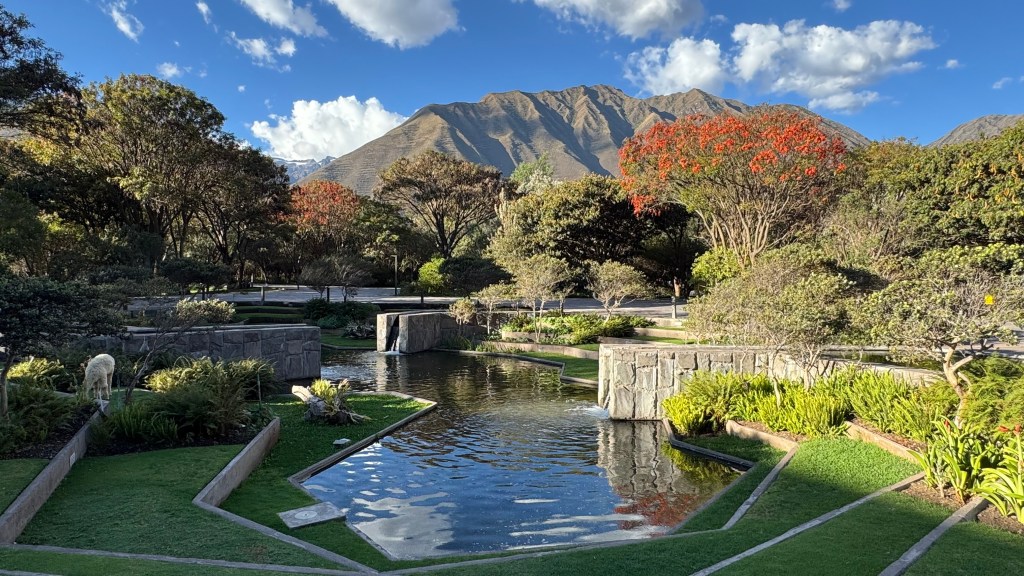
Sustainability serves as the structural foundation of the resort rather than an afterthought. As the first LEED-certified hotel in Peru, the property was constructed with rigorous standards for energy efficiency and environmental preservation. It also proudly holds the Biosphere Committed distinction, aligning its operations with the United Nations Sustainable Development Goals. The expansive grounds shelter an authentic Andean forest alongside a sprawling, fully organic garden measuring 8,000 square meters, which supplies fresh vegetables, leafy greens, and aromatic herbs directly to the resort’s kitchens. Guests can even participate in harvesting ingredients for a midday meal served against a backdrop of rushing river waters and towering peaks.
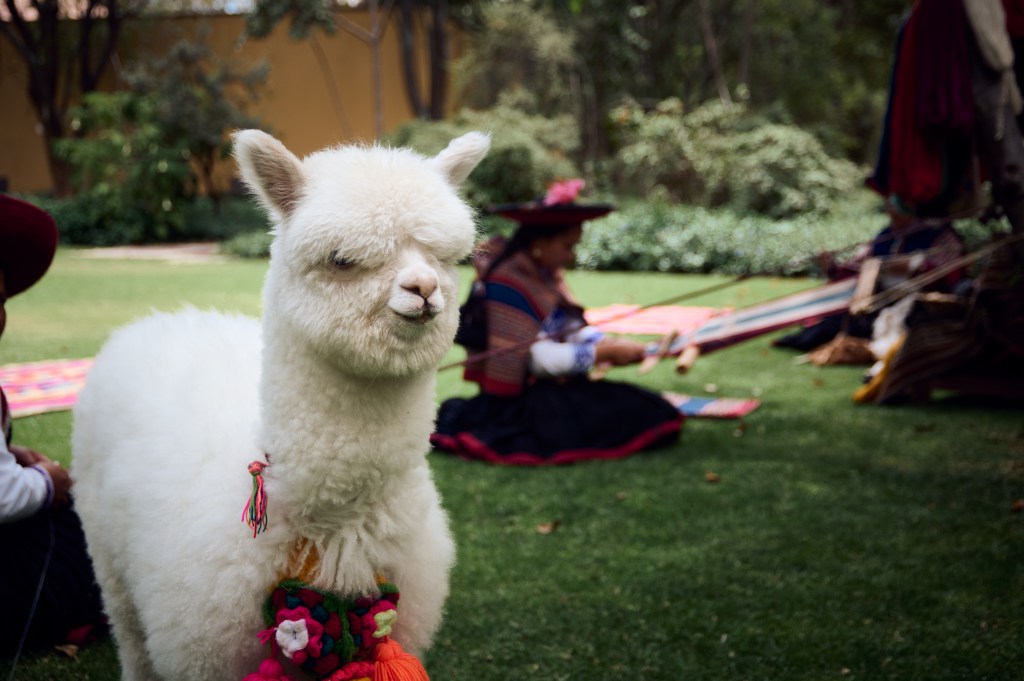
Local weavers, serving as custodians of centuries-old traditions, frequently visit the property to demonstrate their craft, transforming raw alpaca and sheep wool into intricate textiles that preserve regional heritage. Walking the grounds toward the Kallpa Spa—where treatments incorporate botanical ingredients utilized during the time of the Incas—visitors may occasionally cross paths with a baby alpaca quietly grazing on the manicured lawns.
This philosophy of community integration finds its fullest expression at AMA, a cultural ecosystem situated along the hotel’s Boulevard. Accessed by following a path to the final door on the right, AMA draws inspiration from the daily rhythms of Andean communities, redefining luxury through authentic human and environmental connection. Every aspect of the space highlights the Sacred Valley through locally sourced materials, traditional craftsmanship, and the direct participation of nearby residents. By employing and supporting disadvantaged locals, the initiative transforms hospitality into a shared economic livelihood.
Five Centuries in One Courtyard: Palacio del Inka, a Luxury Collection Hotel, Cusco
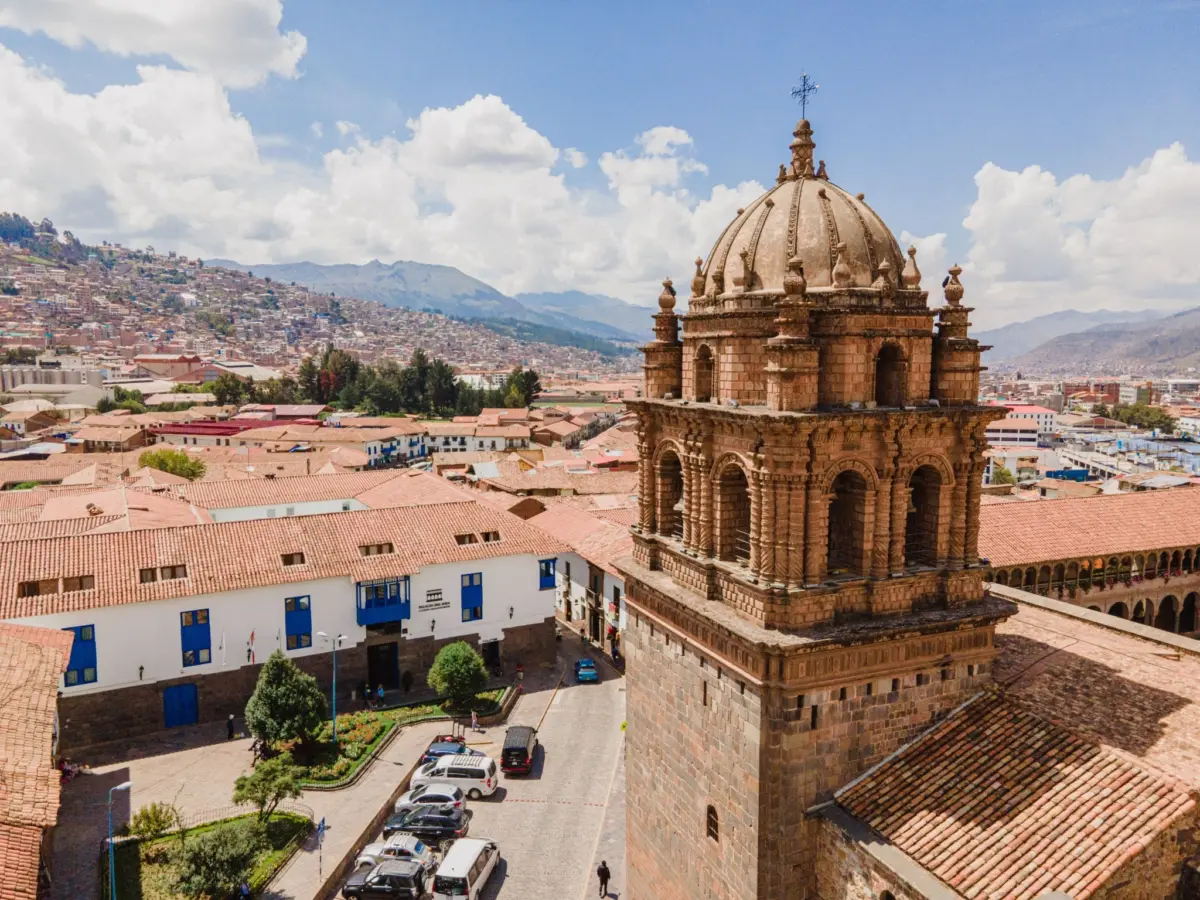
The final ascent of the expedition brings travelers to Cusco at roughly 11,000 feet of elevation. Here, the thin air catches in the chest upon the first step onto the city’s historic cobblestones, underscoring the value of the gradual acclimatization journey completed over the preceding days. Situated directly opposite Qoricancha, the revered Temple of the Sun, Palacio del Inka occupies a 500-year-old mansion. Its guest suites encompass the historic Casona de los Cuatro Bustos, where interior courtyards glow with golden evening light.
History is embedded directly into the physical architecture of the building. A 64-meter stretch of original Inca stonework forms part of the hotel bar, while an intricate eight-angled stone from an imperial wall serves as a quiet reminder of an ancient empire. Nearly 200 colonial artworks, including 60 original paintings belonging to the traditional Cusqueña School, line the corridors, giving the hotel the atmosphere of a functioning museum. Additionally, the property’s modern art gallery, Mantay, chronicles the region’s artistic evolution through pre-Hispanic, colonial, and republican eras, with a portion of its sales directly supporting a local shelter for teenage mothers and their children.
To address the challenges of the high altitude, the hotel provides attentive medical and wellness support, including on-request oxygen, enriched air in selected rooms, and the Andes Spirit Spa. The spa offers signature treatments explicitly designed to restore physical and mental equilibrium after a day navigating steep stone stairways and narrow
historic alleys. Throughout the evening, traditional Andean music drifts through the dining spaces, and candlelit gatherings unfold in the courtyard, where a resident alpaca occasionally wanders among the tables.
Viewed as a whole, the expedition operates as a continuous thread. It begins with the distant notes of a saxophone behind a hidden door in Lima, moves across the sun-bleached desert light of Paracas, deepens its cultural roots in a fertile valley where a resort feeds its guests from its own soil, and concludes among the immutable stones of Cusco. Together, these four properties form a cohesive chronicle of contemporary Peruvian hospitality.