






A fifth person has died in the Netherlands after contracting the West Nile virus since the turn of the year, while the total number of confirmed human infections across the country has increased to 44, according to the latest figures released by public health authorities.
The public health agency RIVM reported that another 16 patients have been detected since its last comprehensive update just a week prior. Despite the uptick in fatalities and confirmed cases, the agency has firmly stressed to the public that there is no risk of a pandemic breaking out. This reassurance is rooted in the biological nature of the pathogen, as the West Nile virus cannot be transmitted directly from person to person.
Medical professionals, veterinarians, virologists, and other specialized experts are closely monitoring the unfolding situation. These multidisciplinary teams are actively tracking the spread of the disease and evaluating whether additional precautionary public health measures need to be implemented to protect vulnerable populations.
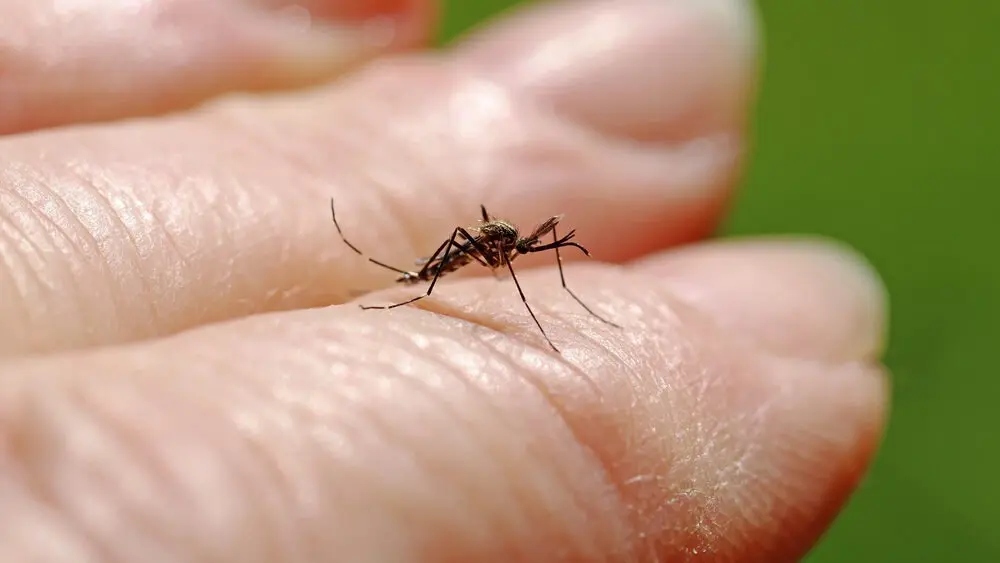
The virus is primarily transmitted through the bites of infected mosquitoes. For the vast majority of people who contract the pathogen—roughly 80% of cases—the infection causes no symptoms whatsoever, leaving many unaware that they have ever carried it. However, in about 1% of cases, West Nile fever progresses to severe neurological complications, such as meningitis or encephalitis. In exceptional cases, particularly among elderly patients or individuals with pre-existing underlying health conditions, the neurological impact can prove fatal.
Alarm bells first sounded regarding local transmission last month following the death of a hospital patient in Utrecht. At that time, the RIVM officially confirmed that the virus was actively circulating within the domestic Dutch mosquito population. Historically, Dutch fatalities and infections linked to the virus were restricted to individuals who had contracted the illness while traveling abroad to endemic regions, marking a significant epidemiological shift for the country.
Geographically, the current outbreak is dispersed across several regions, though certain areas are experiencing a higher concentration of cases. Approximately half of all human infections reported to the RIVM this year have been localized within the province of Zuid-Holland. Additional cases have been identified and confirmed by public health officials in Utrecht, Noord-Holland, Noord-Brabant, Gelderland, and Overijssel, indicating a widespread presence of the virus across multiple Dutch provinces.
Humans are not the only species vulnerable to the pathogen. The West Nile virus can also be contracted by other animals, most notably birds and horses. Much like human infections, however, these animals are considered dead-end hosts and cannot transmit the infection back to humans or other animals. To gauge the wider footprint of the virus in the environment, health and agricultural authorities are tracking veterinary data alongside human cases. The RIVM has recorded 136 positive tests in horses and 171 in birds so far this year, underscoring active circulation within the broader ecosystem alongside the human toll.