





Geneva Watch Days has officially drawn to a close, and by nearly every metric evaluated by organizers, participants, and industry observers, it was the largest and most expansive iteration of the event held to date. Marking a significant milestone for the contemporary watchmaking calendar, the gathering brought together an unprecedented number of participating brands, welcoming more than 70 distinct houses to showcase their latest mechanical creations. Alongside the robust brand participation, the event registered a record-high influx of visitors, transforming the venues along Lake Geneva into bustling hubs of horological activity, commerce, and networking.
Beyond the sheer volume of attendees and exhibiting brands, the event underscored a broader cultural shift within the luxury goods sector. According to official statements from the organizers of Geneva Watch Days, the gathering attracted an even larger contingent of content creators, digital influencers, and online commentators than in previous years. This prominent digital presence highlights the rapidly growing fashionability of mechanical timepieces across social media platforms, where watches have increasingly transitioned from niche enthusiast collectibles into mainstream lifestyle accessories and status symbols for a younger, digitally native audience.
Against this backdrop of heightened public interest and digital amplification, approximately 400 new watches were debuted over the course of the event. Naturally, this massive influx of novelties prompted a fundamental question among collectors, critics, and industry analysts: amidst the sheer volume of releases, were the watches actually any good?
The collective output of the event served as an accurate reflection of the current state of the global watch industry. The releases closely mirrored the prevailing demands, preferences, and economic realities of contemporary buyers, showing a calculated alignment between what manufacturers are producing and what the market is currently willing to consume. However, this commercial harmony does not necessarily equate to unbridled artistic or mechanical excellence. Addressing this paradox during a recent industry commentary, horological expert SJX offered a critical cautionary perspective, noting that "just because something looks like a Ferrari doesn’t mean it’s a Ferrari." This sentiment captures the underlying tension between surface-level aesthetic appeal and genuine horological substance, a dynamic that continues to define the modern watch market as brands increasingly cater to trends driven by digital visibility.
Adding a fascinating twist to the rhythm of the week, some of the most significant announcements, high-profile unveilings, and critically acclaimed watches were launched entirely outside the official boundaries of Geneva Watch Days, albeit timed to coincide with the same week. Because the Swiss watch industry frequently uses major gathering points as focal points for broader media momentum, independent announcements often steal the spotlight from scheduled fair programming. The most prominent example of this phenomenon during the recent week was the high-profile charity auction surrounding the Rolex Daytona "Four Seasons" series. This exceptional timepiece generated immense interest among collectors and philanthropists alike, completely overshadowing several official fair debuts and demonstrating that the most coveted watches can sometimes command global attention from afar.
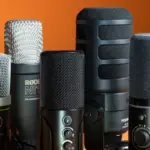
For a deeper dive into the nuances of Geneva Watch Days, the broader implications of the newly debuted timepieces, and a closer examination of how external launches shaped the horological landscape during this eventful week, industry observers can tune in to the latest episode of the SJX podcast. The discussion breaks down the hits and misses of the exhibition, offering professional insights into whether the record-breaking numbers translated into genuine watchmaking triumphs. Listeners can access the episode now across major podcasting and video platforms, including Apple Podcasts, Spotify, and YouTube.