





When a heatwave strikes, the search is instantly on for lightweight, breathable clothing that can survive high temperatures without sacrificing style. For decades, linen has reigned supreme as the ultimate summer fabric, offering unmatched cooling properties, effortless elegance, and remarkable durability. But beyond its seasonal appeal, linen is increasingly being recognized as a lower-impact alternative to conventional textiles like cotton and synthetic blends.
As consumers become more mindful of their environmental footprint, sustainability advocates and fashion editors are shifting their attention toward ethically produced linen garments. Curated platforms such as Good On You, which rigorously assess brands based on their impact on people, the planet, and animals, are highlighting a growing wave of transparent labels offering eco-friendly linen dresses. From prominent names like PANGAIA and LA Relaxed to a diverse roster of independent designers, the market for responsibly manufactured linen wear is expanding rapidly, proving that summer fashion can be both stylish and conscious.
Why Linen Dresses Are a Smart Choice for Summer and Beyond
The enduring popularity of linen during warm-weather months is no accident. Derived from the inner stalk fibers of the resilient flax plant, linen possesses natural thermal-regulating properties that keep the body cool in scorching heat. Beyond its physical comfort, the agronomic profile of flax makes it a compelling choice for environmentally conscious agriculture. Flax is exceptionally hardy, capable of thriving in poor-quality soil where other crops might fail. Furthermore, it requires significantly less water during its growth cycle compared to resource-intensive crops like conventional cotton.
Another major environmental advantage of flax cultivation is its minimal need for chemical pesticides and fertilizers. However, industry experts note that the eco-friendly journey of a linen garment does not end in the field. The subsequent processing stages—specifically retting, which separates the fibers, and dyeing—can often rely heavily on chemical inputs. To ensure a truly sustainable purchase, experts recommend seeking out organic linen certified by credible global standards, such as the Global Organic Textile Standard (GOTS). Certification ensures that the fibers have been processed with strict environmental and social criteria in mind, minimizing harmful chemical runoff into local ecosystems.
In its purest, untreated form, linen is a biodegradable material that will naturally break down at the end of its lifecycle. However, industry practices such as synthetic dyeing, bleaching, and chemical softening treatments can compromise this natural characteristic, underscoring the importance of brand transparency. Consumers are increasingly encouraged to look closely at garment details to understand how a piece was finished, distinguishing between genuinely compostable items and those treated with synthetic resins.
Durability is another cornerstone of linen’s sustainability profile. The natural strength of flax fibers means that high-quality linen garments stand up exceptionally well to regular wear and tear. When cared for properly, a well-made linen dress can remain a wardrobe staple for years, reducing the impulse to constantly replace worn-out clothing. This longevity makes linen an ideal fabric for timeless designs, though shoppers are advised to carefully consider trend-driven cuts to ensure the garment aligns with their personal style long-term.
Purchasing decisions also hinge on fabric composition. Linen is occasionally blended with other fibers, such as cotton or synthetic materials, to achieve specific textures or to reduce the fabric’s natural tendency to wrinkle. While blends can offer practical benefits, they present significant challenges when it comes to textile recycling, as mixed fibers are notoriously difficult to separate. For those prioritizing a circular fashion economy, opting for pure, 100% linen remains the gold standard.
A Growing Market for Ethical Linen Options
As demand for traceable and lower-impact fashion grows, independent designers and established eco-conscious brands alike are expanding their warm-weather collections to feature a wide variety of linen silhouettes. Independent ratings organizations continue to vet these collections to help shoppers navigate the market with confidence, separating genuine sustainability efforts from superficial marketing claims.
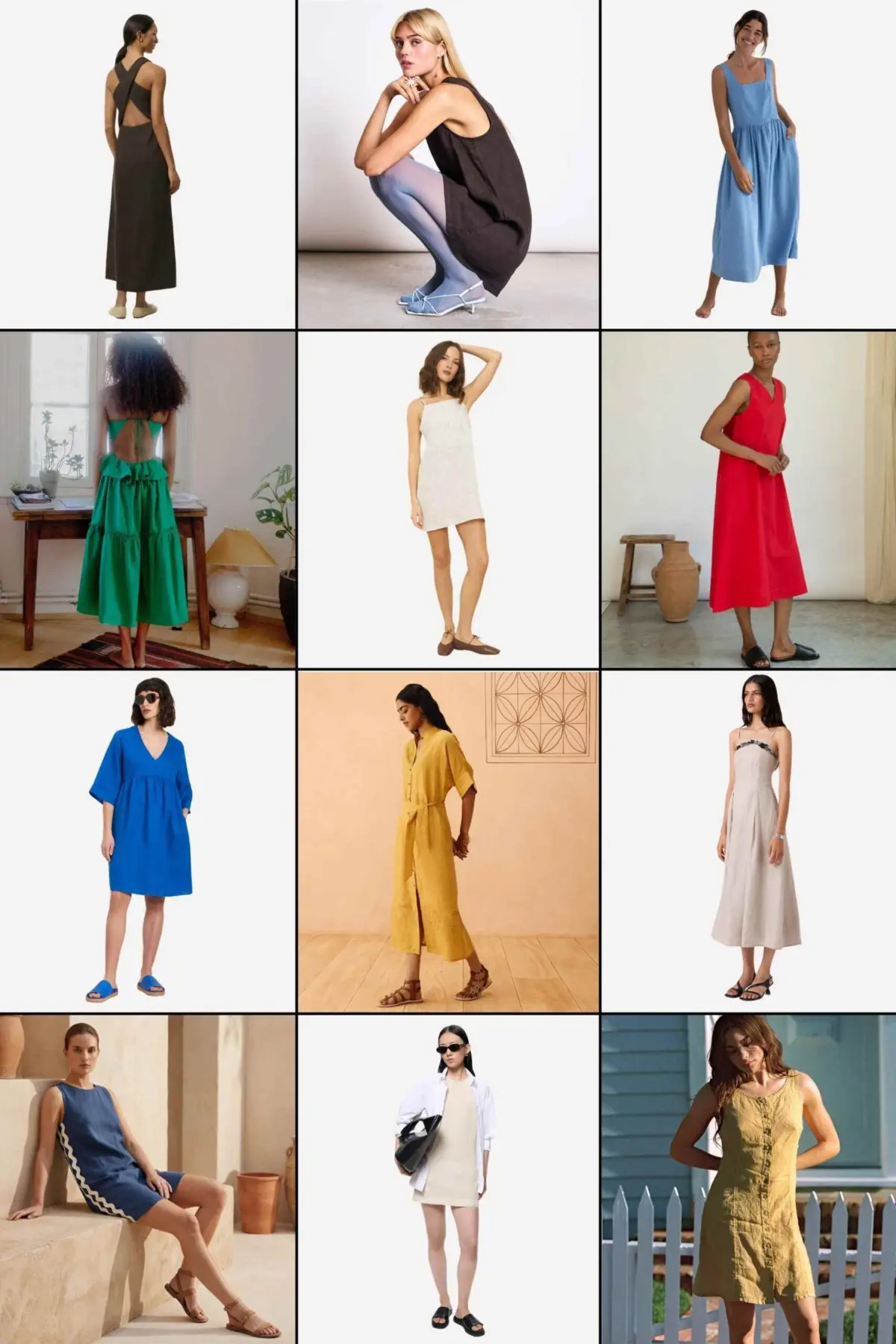
Current round-ups of ethical linen dresses showcase an impressive diversity of cuts, lengths, and design philosophies. Among the highlighted options are Artknit Studios’ sophisticated Linen Twill Special Back Dress, JAN N JUNE’s minimalist Linen Mini Dress, and TWOTHIRDS’ coastal-inspired Formentera Linen Dress. Other notable pieces include OhSevenDays’ Holly Linen Dress, Whimsy + Row’s striped Lainey mini dress, and Beaumont Organic’s versatile cotton-linen blend design.
Further broadening the stylistic scope are Lanius with its GOTS-certified organic linen dress, Sui’s Golden Palm linen maxi shirt dress, and The Summer House’s intricately embroidered Suhjan beige linen dress. Rounding out the selection are SeamsFriendly’s contrast-detailed linen shift dress, PANGAIA’s structural A-line linen dress, and LA Relaxed’s effortless linen pinafore. These varied offerings demonstrate that sustainable linen can range from casual beachwear and breezy maxis to structured, formal attire suited for diverse occasions.
As shoppers continue to seek out transparent brands that prioritize fair labor practices alongside environmental stewardship, the humble flax fiber remains a vital tool in reshaping the future of warm-weather fashion. By focusing on certified organic materials, pure compositions, and timeless durability, consumers can build a summer wardrobe that respects both personal style and the planet.