




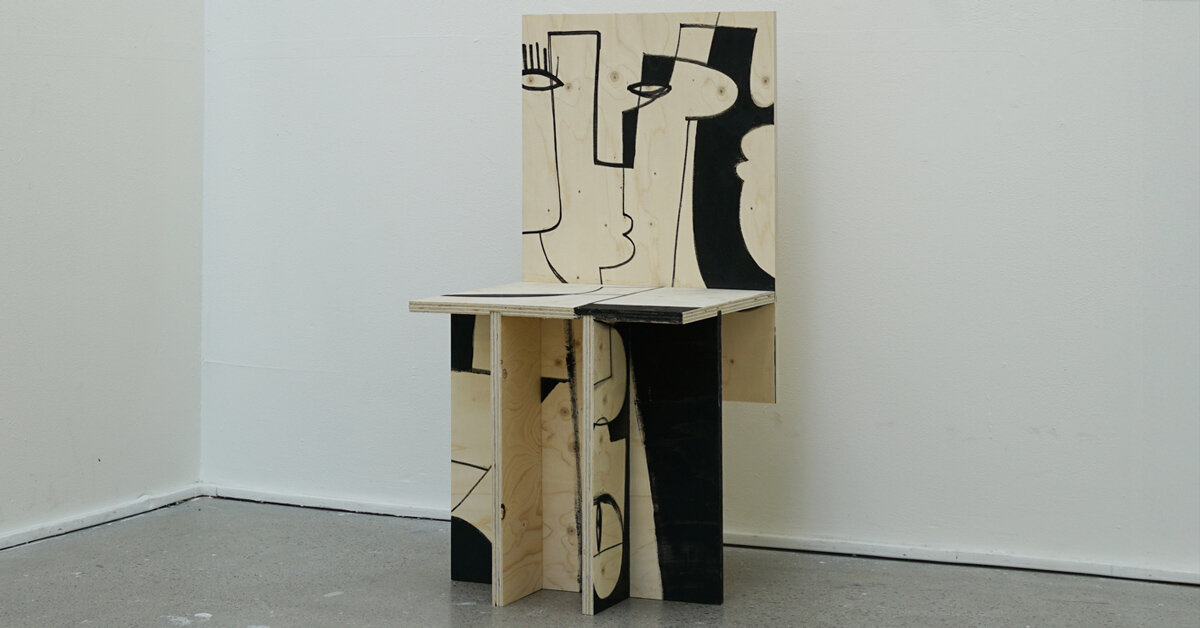
The boundary between static visual art and functional everyday objects has long fascinated contemporary creators, prompting a continuous exploration of how materials can serve multiple purposes across their lifecycle. In a striking contribution to this ongoing design dialogue, Swedish creator Eitil Arbenz Thorén, working alongside the creative studio PEYTIL, has unveiled a project titled Motspråk. Developed during Thorén’s academic pursuits at the prestigious Konstfack university in Stockholm, the project challenges traditional perceptions of both painting and furniture design by merging the two disciplines into a single, cohesive physical entity.
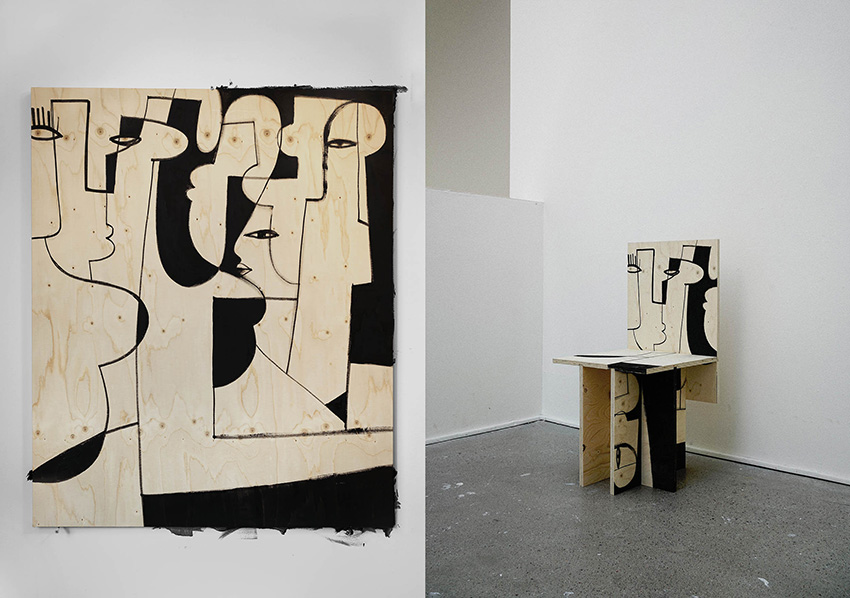
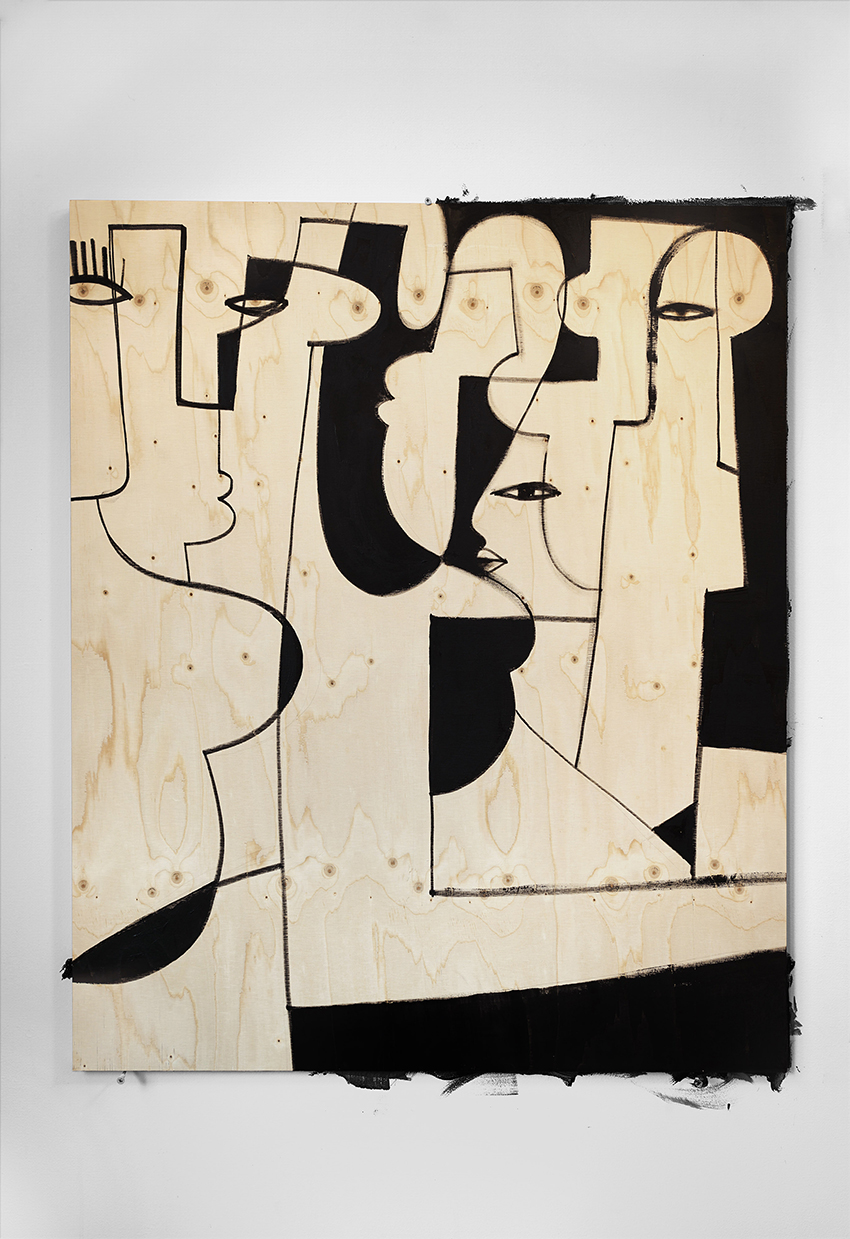
At its core, Motspråk begins its existence not as a piece of furniture, but as a painted artwork executed directly on a sheet of plywood. Rather than treating the wooden medium as a neutral, passive canvas meant merely to hold pigment, the project deliberately leverages the innate material qualities of the wood. The painting is subsequently cut apart, meticulously reorganized, and reassembled to form a fully functional chair. This radical transformation explores the complex transition from a two-dimensional artistic expression meant for contemplation to a three-dimensional utility object designed for physical interaction, questioning where art ends and where functional design begins.
The genesis of the project at Konstfack in Stockholm places it within a vibrant Scandinavian tradition of material experimentation and rigorous conceptual design. Academic environments such as Konstfack have historically encouraged students to push the limits of traditional craftsmanship, blending fine art techniques with industrial design methodologies. By choosing plywood as the primary medium, Thorén engaged with a material deeply embedded in both modern architecture and furniture making, known particularly for its layered construction, structural stability, and relative ease of cutting, shaping, and manipulation.
Spruce Grain and Knots Become Part of the Painting
What sets Motspråk apart from conventional painted furniture—where artwork is typically applied to a finished object—is the intimate dialogue established between the paint and the underlying substrate from the very beginning of the creative process. The natural characteristics of the spruce plywood surface are not masked, primed over, or ignored; instead, they are actively incorporated into the visual narrative of the painting itself. Knots, growth rings, surface imperfections, and natural irregularities inherent to the spruce timber are cleverly integrated into the composition, where they take on new symbolic and aesthetic meanings.
Within the visual framework of the piece, these knots and grain patterns function as small bodily marks, scars, or even watchful eyes, directly influencing how the composition develops across the wooden panel. The artist does not impose an arbitrary vision onto the material in isolation; rather, the process becomes a collaborative negotiation between the initial artistic concept conceived by Eitil Arbenz Thorén and the unyielding physical properties of the spruce. The grain structure dictates the flow of the imagery, while the paint highlights the unique topography of the wood, ensuring that the natural characteristics of the medium contribute fundamentally to the final visual character of the work.
This integrated approach bridges the gap between digital or synthetic perfection and the organic, unpredictable nature of raw timber. By allowing the physical flaws and distinctive markings of the plywood to guide the brushwork, the project achieves a rare synthesis where the material is simultaneously the canvas, the subject matter, and the structural foundation of the future object.
The Transformative Process of Cutting and Reassembly
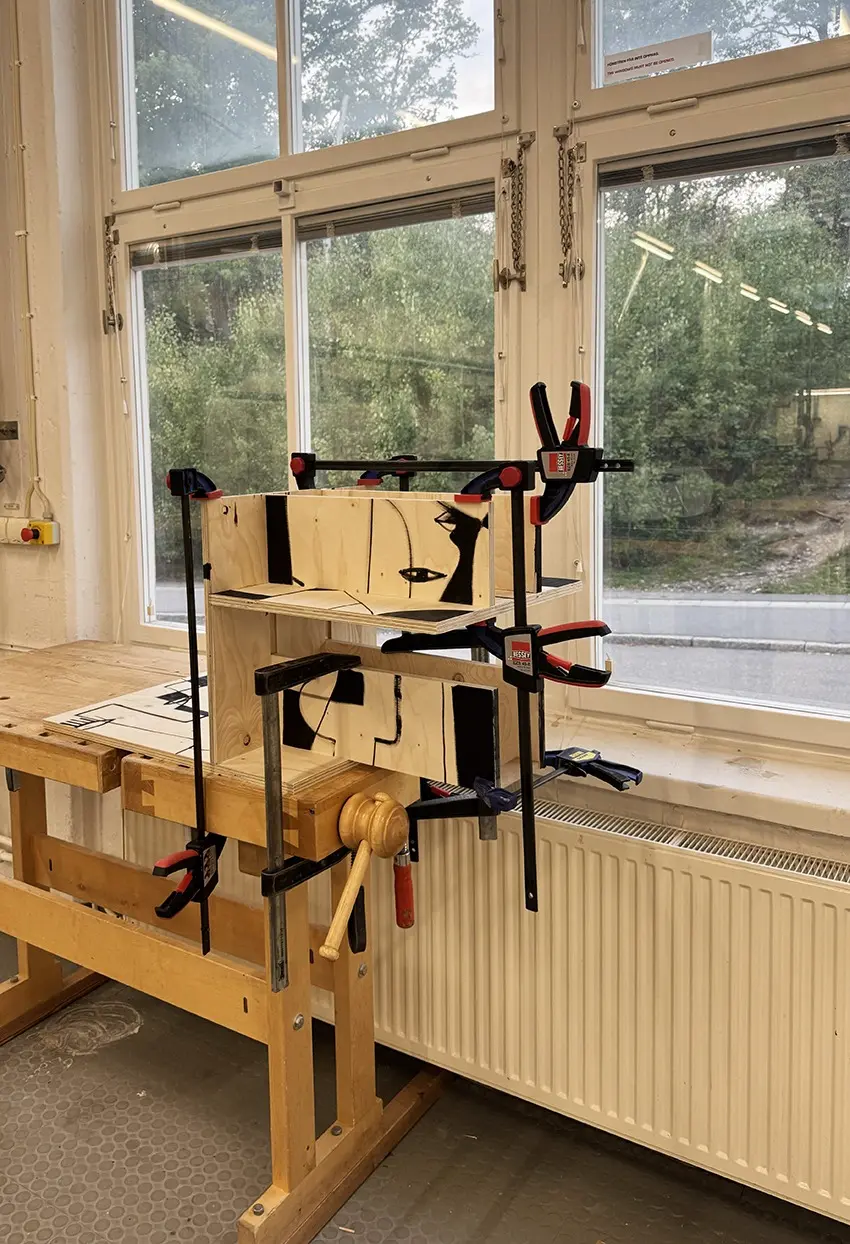
Once the painting on the plywood panel is fully realized, the project enters its most critical and radical phase: deconstruction and reconstruction. The large painted panel is systematically cut apart into precise components, breaking down the integrity of the original two-dimensional artwork. This act of cutting is not treated as a destruction of the art, but rather as a necessary metamorphosis, translating the flat composition into a spatial configuration.
The resulting pieces are then reorganized and reassembled, fitting together through thoughtful joinery and structural planning to form a stable, functional chair. This physical reorganization forces the fragments of the painting to find new relationships with one another in a three-dimensional space. Elements that once sat side-by-side on a flat surface are now folded, angled, and layered to create a seat, a backrest, and supporting legs. Through this ingenious assembly, the viewer’s perspective of the artwork is completely altered; what was once viewed straightforwardly on a wall must now be experienced dynamically as one interacts with the furniture.
Throughout this process, the layered construction of the plywood plays a crucial role. The exposed edges of the plywood panels reveal the rhythmic striations of the wood veneers, adding another layer of visual texture to the finished chair. These exposed edges trace the contours of the cuts made during the transition from painting to furniture, serving as a physical reminder of the project’s complex evolutionary path.
Ultimately, Motspråk stands as a compelling exploration of material honesty, artistic reinvention, and functional design. By bridging the gap between fine art illustration and utilitarian woodworking, Eitil Arbenz Thorén and PEYTIL have created an object that refuses to be categorized strictly as either a painting or a chair. Instead, it exists comfortably in the tension between both, demonstrating how traditional materials like spruce plywood can be reimagined when approached with conceptual rigor and artistic vision.