





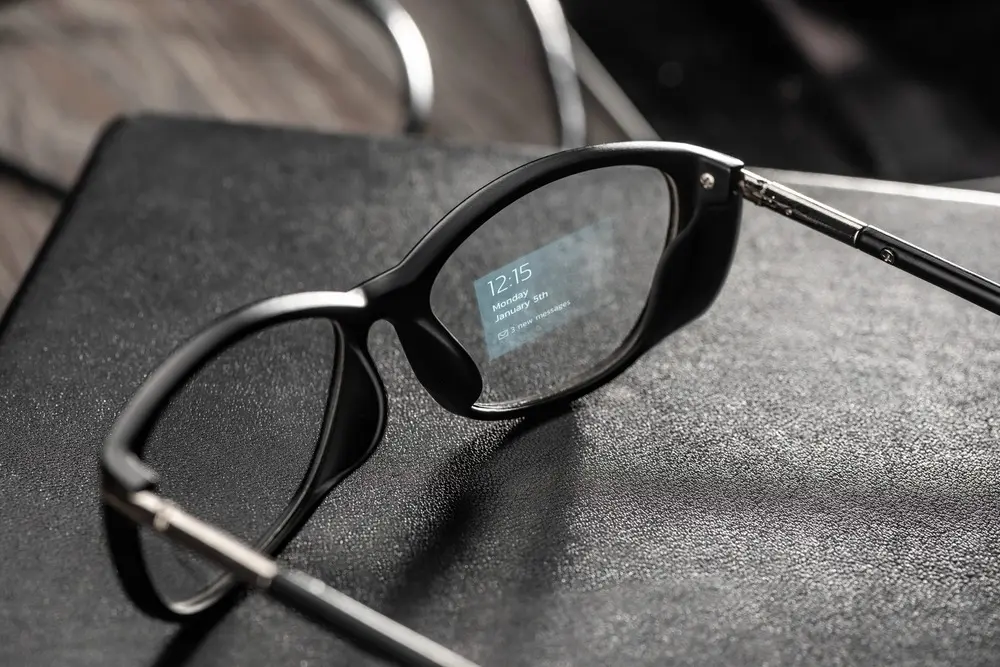
The Netherlands’ data protection authority has issued a stern warning regarding the growing popularity of wearable tech, declaring that sharing images and videos captured with camera glasses is virtually always illegal under European privacy laws unless explicit consent is obtained from everyone recognizable in the footage.
The Dutch Data Protection Authority, known locally as the Autoriteit Persoonsgegevens (AP), released the cautionary statement on Tuesday, drawing fresh attention to the legal and ethical boundaries surrounding smart eyewear. While these devices are designed to look like ordinary spectacles, their built-in technology allows wearers to covertly record video and snap photographs in public spaces, offices, and private venues alike.
The regulatory body emphasized that simply wearing the glasses in public is not inherently illegal, but the moment a user records other individuals and shares, publishes, or otherwise utilizes that media without prior permission, they cross a major legal threshold under the General Data Protection Regulation (GDPR).
“You may not simply share, publish, or use for other purposes photos and videos in which other people are recognisably depicted,” the AP stated explicitly in its official release.
The warning highlights an escalating collision between fast-evolving consumer technology and traditional privacy rights. As major technology companies—with Meta leading the charge in commercializing smart glasses equipped with discreet lenses and recording indicators—push wearable augmented reality and casual life-logging devices into the mainstream, regulators across Europe are beginning to push back against the potential erosion of public anonymity.
Katja Mur, a board member at the AP, underscored the fundamental right of individuals to move through public spaces without the constant anxiety of being unknowingly recorded and broadcast across the internet.
“People must be able to walk the streets freely without having to fear that someone is filming them without their knowledge and subsequently sharing the images or posting them on the internet,” Mur said.
The privacy concerns extend far beyond bustling sidewalks and public transit. The AP has specifically flagged the use of camera glasses in sensitive environments where individuals expect a high degree of privacy or where vulnerable populations gather. Locations such as hospitals, medical clinics, courthouses, and religious buildings present unique legal and ethical hazards when smart glasses are introduced.
In response to these risks, the Dutch privacy watchdog has strongly advised institutions operating in sensitive sectors to implement proactive measures, including outright bans on the use of camera glasses on their premises, to safeguard patients, visitors, and participants from unauthorized surveillance.
The AP’s intervention follows closely on the heels of a similar warning issued last month by the Dutch consumer organization Consumentenbond. The consumer watchdog raised alarms about the inherent design features of Meta’s popular camera glasses, pointing out that the small indicator lights intended to signal when recording is active can be easily manipulated, covered, or obscured. Such modifications make it even more difficult for unsuspecting bystanders to realize that they are being filmed, stripping away even the minimal transparency currently built into the hardware.
Legal experts note that under the GDPR, individuals have a reasonable expectation of privacy, and biometric data or recognizable likenesses captured without consent can trigger substantial regulatory enforcement actions and private lawsuits. While casual, personal-use exemptions sometimes apply to traditional home video cameras, the integration of connected devices that immediately facilitate online sharing complicates the legal standing of smart glasses wearers, shifting their activity into a domain where privacy regulations apply with full force.
As consumer adoption of wearable technology continues to climb, the stance taken by the Dutch privacy watchdog signals a broader regulatory reckoning for smart glasses manufacturers and users alike, setting a rigorous standard for digital privacy enforcement across the Netherlands and potentially serving as a bellwether for the rest of the European Union.