






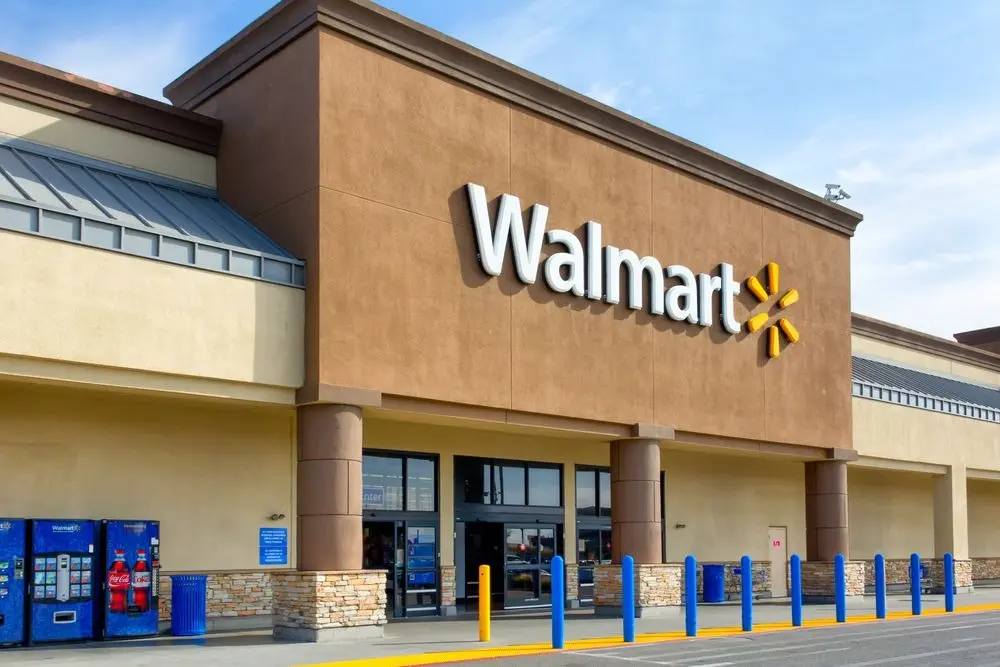
The corporate equivalent of hell freezing over has officially arrived. After years of resisting the dominant mobile payment technologies used by nearly every other major retailer in the United States, Walmart announced on Friday that it will finally begin accepting Apple Pay and Google Pay at its stores, including both Walmart and Sam’s Club locations.
The retail giant stated that beginning August 24, it will initiate the rollout of Tap to Pay functionality at select Walmart stores and Sam’s Club locations. The company anticipates that this long-awaited payment feature will reach all of its stores and clubs nationwide by the end of the year. Following that store-level implementation, Walmart plans to expand the capability to all of its fuel stations by the middle of 2027.
This announcement marks a stunning reversal for the world’s largest retailer, which for over a decade stubbornly refused to adopt ubiquitous near-field communication (NFC) payment technology. Instead, Walmart chose to double down on promoting its own proprietary, in-house mobile payment ecosystems, namely Walmart Pay and its popular Scan-and-Go service.
In the earlier days of mobile wallet technology, Walmart’s resistance went far beyond simple omission. The retailer actively collaborated with a consortium of other major brick-and-mortar merchants to form the Merchant Customer Exchange, launching a competing mobile payment application called CurrentC. Designed specifically to bypass traditional credit card processing fees and lock consumers into a merchant-controlled ecosystem, CurrentC was intended to freeze out Apple Pay entirely. However, the ambitious coalition failed to gain traction with consumers who found the app cumbersome and insecure compared to native smartphone solutions. The platform suffered from technical glitches, privacy concerns, and a lack of widespread consumer adoption, ultimately leading to its quiet shutdown in 2016.
Even after the demise of CurrentC, Walmart continued to hold out, forcing millions of shoppers to use physical credit cards, cash, or the company’s proprietary app. All the while, frustrated customers regularly took to social media and customer service channels to beg the retail titan to support modern tap-and-pay technology. Consumer demand for NFC payments has skyrocketed over the past decade, with Apple Pay alone now accepted at approximately 85 percent of retailers across the United States, including virtually all major supermarket and department store chains.
For an enterprise of Walmart’s immense scale and influence, the decision to finally integrate Apple Pay and Google Pay reads as a historic capitulation. For years, leadership operated under the assumption that the company’s sheer market dominance would be enough to force shoppers to adapt to its walled-garden approach. By refusing to support the payment methods that consumers increasingly expected everywhere else, Walmart ultimately had to admit that its strategy was causing friction and actively disadvantaging its own customers at checkout.
Despite the clear strategic retreat, the corporation is attempting to frame the monumental policy shift as an effort to expand consumer choice.
“Tap to Pay is a great addition to the other payment options already offered like cash, credit card or Walmart Pay…,” the company’s official corporate announcement stated. “And giving customers and members more choice at checkout is part of a broader effort to make managing and using their money easier.”
As the rollout commences later this month and scales up toward a nationwide footprint by the end of the year, shoppers will finally be able to leave their physical wallets at home or use their smartwatches at Walmart registers—a convenience that the rest of the retail world has enjoyed for years.