




Whether travelers find themselves on land or at sea, sipping a cocktail in a bustling bar or exploring historical coastal paths in Bahrain, the landscape of design-driven global travel is experiencing a profound renaissance. For design aficionados and culturally curious explorers alike, the intersection of heritage craftsmanship, high fashion, and immersive storytelling has never been more vibrant. In the September/October 2026 issue of Condé Nast Traveler, editors took a deep dive into several compelling narratives shaping the modern journey, examining how ancient manufacturing traditions and contemporary stylistic movements are redefining destinations worldwide.
Among the broader explorations featured in the landmark issue are the enduring craft traditions of Italy’s Lake Como, which continue to anchor its status as one of the planet’s most exclusive luxury sanctuaries, and the rise of Fort Worth, Texas, as the sartorial epicenter of the burgeoning "ranchcore" movement in fashion and lifestyle culture. Yet, alongside these expansive features, the publication also gathered a collection of concise, highly curated dispatches highlighting emerging cultural landmarks, nautical luxury collaborations, and shifting global design trends that deserve a spot on every traveler’s radar. From a remarkable new museum along an ancient pearling route in the Middle East to a pioneering French cruise line bringing haute couture directly onto the high seas, the future of design travel is rich with unexpected touchpoints.
A Gem of a New Museum on Bahrain’s Pearling Path
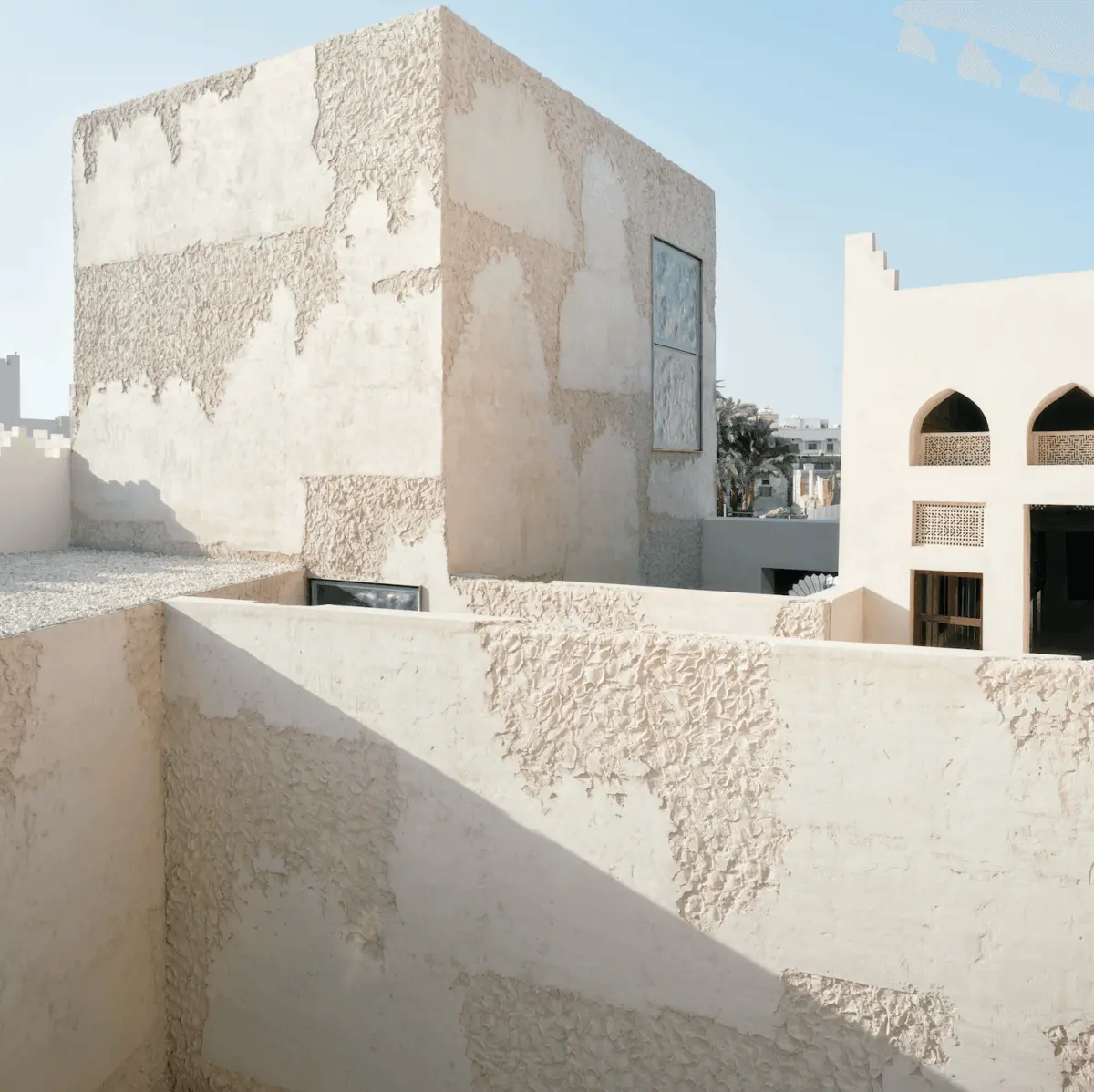
Nestled inside an elegant, historic home formerly owned by a wealthy merchant family in Bahrain’s coastal city of Muharraq sits the two-year-old Siyadi Pearl Museum. The establishment of this cultural space represents the latest and most evocative addition to the Pearling Path, an ambitious heritage project that physically and conceptually connects a series of significant architectural structures tied to the city’s centuries-old pearling history. Stretching across a historic trail of roughly two miles, the Pearling Path links seventeen distinct sites of profound cultural importance. Along the route, visitors encounter public squares shaded by vibrant flame trees and a carefully designed pedestrian bridge that triumphantly reconnects Muharraq with its original shoreline—a coastal edge that has otherwise been largely swallowed by modern urban development over the decades.
The design of the path itself serves as an immersive narrative device. Terrazzo lampposts topped by glowing, pearl-shaped light bulbs double as elegant trail markers, guiding pedestrians through the urban fabric of the city. The dual economic and human realities of the historical pearling industry are laid bare along the journey. Tales of immense wealth and cosmopolitan trade are vividly told within the grand, airy living quarters of former merchants and traders, where ornate architectural details speak to a bygone era of prosperity. In stark contrast, the tales of intense hardship and physical endurance are brought to life through poignant displays of the simple, rudimentary tools upon which pearl divers relied during arduous, months-long voyages aboard traditional dhows braving the open sea. These artifacts—including simple nose clips, heavy stone weights, and protective leather finger covers—offer a humbling glimpse into the high human cost of the island nation’s maritime heritage, making the Siyadi Pearl Museum an essential stop for travelers interested in the intersection of authentic craft and deep-rooted regional history.
High Fashion Comes to the High Seas
While heritage paths on land offer a window into the past, the world of luxury travel is simultaneously looking toward the cutting edge of contemporary style. In September 2027, the acclaimed French cruise line Ponant is set to embark on a commonly traveled maritime route along Italy’s picturesque coast with an entirely unique and unprecedented agenda: placing the nation’s most prestigious fashion maisons directly at the center of the passenger experience. Sailing down the luminous coast from Tuscany and eventually navigating northward toward the enchanting canals of Venice, guests on board the intimate expedition ship Le Boréal will be treated to immersive encounters with five major haute couture and luxury labels.
The meticulously curated itinerary transcends standard luxury cruising by offering rare, behind-the-scenes access to the pillars of Italian craftsmanship. Passengers will have the rare opportunity to sit down and converse directly with a master tailor from Brioni, discussing the nuanced art and precision required to achieve the perfect sartorial alterations. In another session, travelers can observe a master craftsperson meticulously cutting and shaping precious gemstones at the workshops of iconic jeweler Pomellato, gaining a firsthand appreciation for high-end jewelry design. Furthermore, the voyage includes exclusive explorations of two historic sites in Florence deeply tied to the legacy of Gucci. Guests will wander through the storied halls of the Palazzo Gucci and the fifteenth-century Palazzo Settimanni, which serves as the physical home of the treasured Gucci archives. For those aboard, the journey redefines the concept of style on the water, effectively bringing high fashion to the high seas in a seamless blend of luxury travel and artisanal appreciation.
Drinks Wear Designer Around the Globe
Beyond architecture and apparel, the global design revolution has also found an unexpected home in the details of contemporary mixology and hospitality. Striking, highly artisanal glassware that frequently upstages the complex liquid concoctions it holds has firmly established itself as the coolest trend in modern cocktail culture. Around the world, forward-thinking bars are moving away from standardized barware in favor of gorgeously unique, handcrafted vessels that transform a simple drink into a multi-sensory design experience. From blown glass creations in Scandinavian coastal workshops to bespoke ceramic and stone vessels in cosmopolitan lounges, the vessels themselves have become destinations worth traveling for, capturing the broader ethos of a travel landscape where craftsmanship, provenance, and exceptional design reign supreme.