






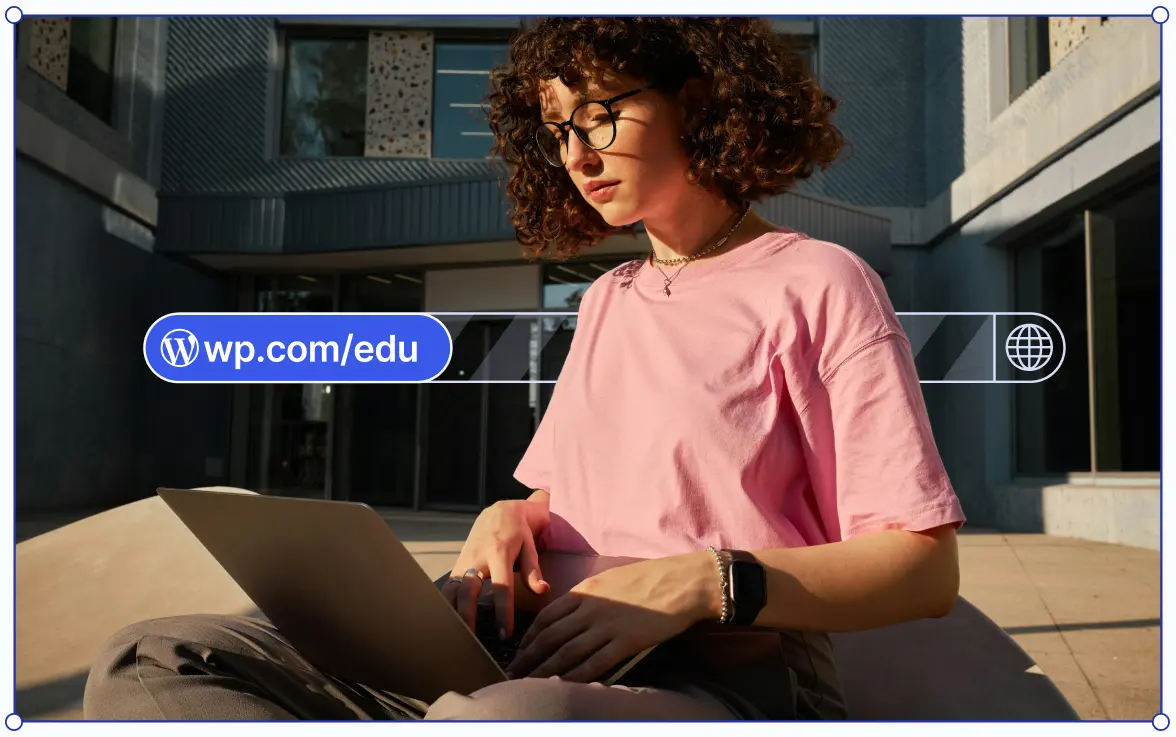
The newly introduced platform aims to bring professional-grade web development tools directly into educational environments without the traditional administrative or financial hurdles that often complicate school software procurement. Through the new offering, teachers can provide their students with full-featured WordPress.com domains alongside free custom domain options on the .blog or .art extensions, complete with robust plug-in support.
Crucially, the program is structured to minimize friction for educators. Teachers can grant students access to the platform entirely free of charge for the first full year of use. The sign-up process does not require upfront credit card information or force users into a restrictive trial period that unexpectedly charges accounts once a deadline passes. This thoughtful approach ensures that even underfunded schools, districts with tight technology budgets, and educators working in resource-constrained environments can adopt the technology seamlessly.
The launch addresses a pressing demographic and industry challenge for Automattic. While WordPress remains the undisputed heavyweight of the content management system market, anchoring nearly half of the global web, it is not always the default platform of choice for younger generations establishing their digital footprints for the very first time. In an era dominated by social media platforms, many young users naturally gravitate toward setting up simple social media profiles rather than building independent websites. By introducing WordPress into the classroom, Automattic hopes to reverse this trend early, training the next generation of web professionals, designers, developers, and content creators on its foundational ecosystem.

Far from being a watered-down educational sandbox, the new Student plan is built on the same robust infrastructure that powers professional sites. During its unveiling, Automattic emphasized that the offering is a fully realized workspace. It includes six gigabytes of storage, automated backups, staging sites for testing design changes safely, and extensive developer tools. Students and teachers will benefit from support for plug-ins, SFTP and SSH access, phpMyAdmin, and Studio Sync, giving learners authentic, real-world experience with professional web development workflows and server management concepts.
The versatility of the platform makes it adaptable to a wide range of academic applications. Teachers can implement the technology directly in dedicated web design and computer science courses where students learn how to code, style, and structure websites from scratch. Alternatively, the platform can be leveraged for broader classroom needs, such as collaborative group projects that incorporate digital publishing, portfolio building, or multimedia storytelling.
The long-term economic model for the student accounts is designed to be equitable and gentle on users as they transition out of the classroom environment. Once the initial free year concludes, students are given a clear pathway to maintain their digital spaces. They can choose to subscribe to the service independently for a modest fee of two dollars per month, which translates to twenty-four dollars annually. However, if a student chooses not to or cannot afford to continue with the paid subscription, their hard work is not lost or deleted. Instead, the site automatically transitions down to a free WordPress.com site operating on a standard free domain. Crucially, all of their historical web pages, published blog posts, user comments, and uploaded media files remain entirely intact, preserving their digital portfolios and personal archives.
Before bringing the product to the global market, Automattic put the platform through rigorous real-world testing. The company conducted a pilot program involving 5,000 students spread across 27 different countries, gathering invaluable feedback from educators along the way. The results of the pilot were overwhelmingly positive, validating the core mission of the initiative. According to Automattic, an impressive 88.9% of the participating educators reported that providing students with access to the program directly improved their overall employability by equipping them with tangible digital skills. Furthermore, 81.5% of the surveyed teachers noted that the platform enhanced their students’ entrepreneurial capacity, giving them the confidence and technical know-how to launch their own digital ventures, online businesses, and independent creative projects.