





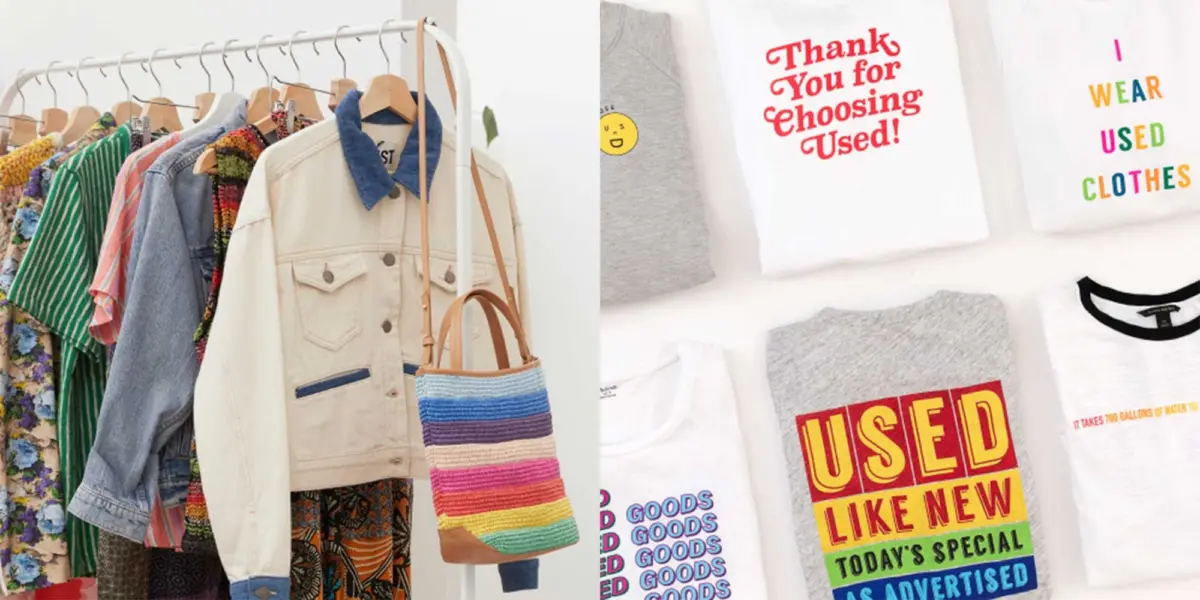
As the global fashion landscape continues to grapple with the immense environmental footprint of fast fashion, consumers are increasingly turning to pre-loved and vintage markets as a refreshing and sustainable alternative. Buying secondhand allows shoppers to refresh their wardrobes without demanding the raw materials and manufacturing resources required for brand-new garments, giving unwanted items a second life while uncovering unique, one-of-a-kind pieces. Driven by a growing global consciousness surrounding ethical and sustainable consumption, the resale sector has expanded rapidly, transforming from a niche hobby into a mainstream retail powerhouse.
Recent data underscores this dramatic shift in consumer behavior. A study commissioned by the Circular Fashion Federation projected that Europe’s secondhand fashion market alone would expand significantly, growing from €15.9 billion in 2024 to €26 billion by 2030. This broader consumer interest is further validated by Bain & Co.’s CEO’s Guide to Sustainability, which tracked a consistent year-on-year increase in sustainable habits among shoppers, led heavily by the rising adoption of secondhand clothing.
Navigating the pre-loved market has historically felt like a treasure hunt. Finding hidden gems once required hours of dedicated sorting through physical clothing racks, shoe shelves, and accessory bins. Today, however, the digital age has brought the thrill of the hunt directly into the homes of consumers worldwide through an expanding ecosystem of online marketplaces and dedicated resale platforms.
Where to Buy Second-Hand Clothing Online
The digital marketplace for pre-loved fashion now spans a wide array of specialized platforms, catering to everything from high-end luxury goods to everyday apparel and specialized children’s wear.
For luxury enthusiasts, peer-to-peer platforms like Vestiaire Collective provide access to high-end designer items that undergo independent authentication and evaluation to ensure the described condition matches the actual item delivered to the buyer. Similarly, platforms like Farfetch Pre-Owned and The RealReal offer curated selections of authenticated luxury pieces, empowering both consignors and buyers to extend the lifecycle of designer goods.
For shoppers prioritizing accessibility and eco-friendly practices, platforms like Cerqular Resale evaluate all participating sellers and products against strict sustainability metrics, verifying items as organic, recycled, carbon-neutral, vegan, or circular while helping users connect with local businesses. Meanwhile, the original auction pioneer eBay remains a goldmine for second-hand apparel, utilizing a bidding format that frequently allows buyers to secure pieces well below original retail estimates.
Regional platforms have also emerged to serve specific markets with localized convenience. Thrift+ operates in the UK as a social venture that sells donated clothing, splitting profits equally between the donor and a nominated charity while maintaining a vast inventory of pre-loved items. In Australia, Reluv has grown into one of the country’s largest online retailers for second-hand clothing and accessories, offering everything from new-with-tags items to gently used garments across a broad range of sizes and premium brands. European shoppers in Spain, Germany, Poland, France, Belgium, and the Netherlands can access pre-loved clothing through Zalando Pre-Owned, integrating secondhand shopping with the company’s established delivery and return services.
Technology-driven solutions are also reshaping how clothing moves through the resale economy. Australia-based AirRobe tackles the looming problem of fashion waste by saving the details of online purchases automatically, allowing consumers to resell their items later with minimal administrative effort. For families, Retykle has established itself as a dedicated destination for buying and selling pre-loved maternity wear and children’s clothing, addressing the rapid turnover of kids’ wardrobes through circular retail.
Social shopping applications have likewise captured a massive audience. Platforms like Depop function as social commerce spaces heavily utilized by fashion enthusiasts to buy and sell directly within an active community. Vinted connects more than 25 million members across thousands of brands, fostering a vast online community centered on secondhand style. In the United States and Canada, Poshmark operates as a prominent social commerce marketplace for used and new clothing, shoes, and accessories.
Secondhand Store Directories and In-Person Thrifting
For shoppers who prefer the tactile, traditional experience of browsing physical storefronts, a variety of digital guides and directories help locate local vintage and thrift stores. Resources such as the Thrifty Londoner provide specialized insights into thrift shopping across London and the UK. In Australia and New Zealand, platforms like the Australian OpShop Listing and Opshops offer detailed directories of community and charitable stores.
In the United States, comprehensive directories like The Thrift Shopper focus exclusively on charity-driven thrift stores, ensuring that consumer purchases and donations directly support worthy social causes. Broader geographical resources, such as The Best Places to Thrift by The Pretty Planeteer, highlight top thrift locations by city across the US, Canada, Europe, and Oceania, accompanied by practical tips for navigating physical storefronts.
For immediate, localized searches, digital mapping tools such as Google Maps remain an accessible resource. Searching terms like charity store, thrift shop, op shop, or vintage reveals nearby storefronts, while community-driven reviews offer valuable insights into the quality and selection of individual locations before planning a visit.
‘Good’ and ‘Great’ Brands Offering Second-Hand Clothing
As the fashion industry increasingly embraces circular business models, a growing number of brands rated "Good" and "Great" by independent evaluators are taking direct responsibility for their products. These companies are implementing take-back and resale initiatives, giving customers an avenue to return or resell their purchases once they have finished enjoying them.
Outdoor apparel pioneer Patagonia continues to lead in sustainable fashion through its Worn Wear program, which offers a wide selection of used, repaired, and recrafted garments, operating on the principle that reducing consumption and extending product lifecycles is paramount. The program currently serves customers in the United States.
Hamburg-based fair fashion label JAN & N JUNE launched its "Newish" secondhand platform in 2022, bringing the brand’s minimalist and transparent aesthetic into the circular economy across sizes XS to XL. In the Netherlands, accessories label O My Bag merges responsible manufacturing using lower-impact, non-toxic dyed materials with its "Second Chances" initiative, which offers both second-hand and imperfect leather goods.
Canadian outerwear and accessories brand BEDI incorporates circularity by utilizing upcycled materials such as airline seat leather, discarded fishing nets, and vegan cactus leather. Its "Second Life" program invites customers to return used items in exchange for a discount on future purchases, re-listing the items on its online store. fellow Canadian brand tentree plants ten trees for every item purchased while operating "The Reshop," an initiative that encourages recycling, reselling, and customer requests for specific pre-loved items in sizes XS to XL.
New York-based leather goods label HYER GOODS upcycles waste materials to eliminate the resource-intensive footprint of traditional livestock and agriculture, offering pre-loved accessories through its (RE)HYER GOODS program. Similarly, children’s apparel brand Mightly utilizes GOTS-certified organic cotton and Fair Trade USA certified facilities, offering verified pre-owned kids’ clothing through its "Lightly Loved" initiative.