




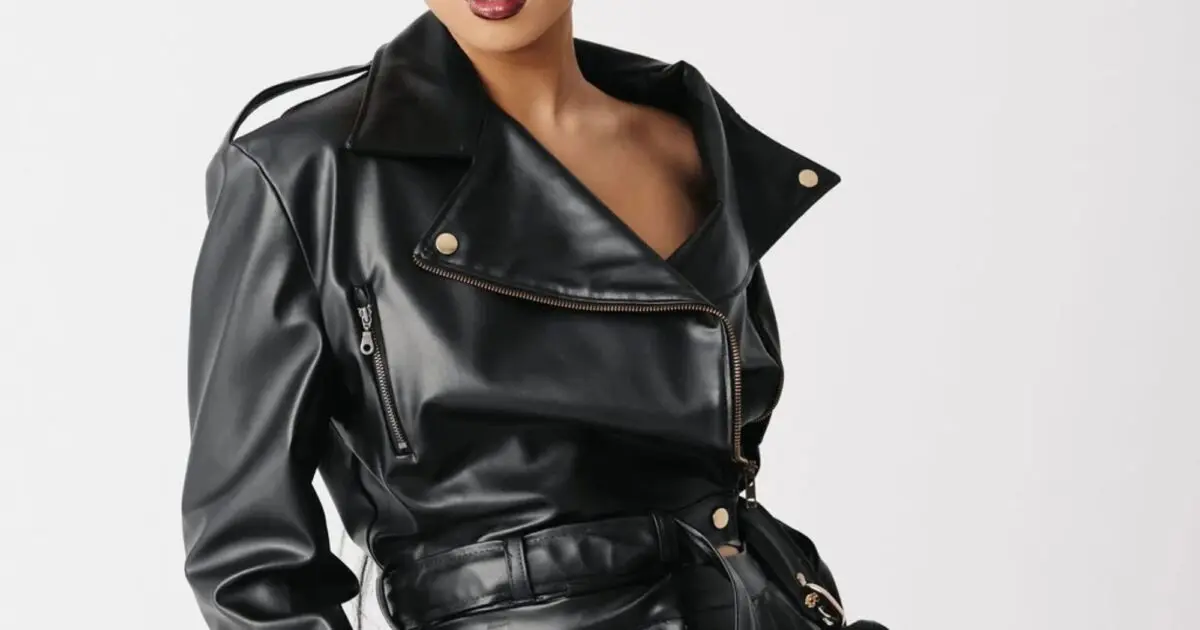
For decades, the leather jacket has held an undisputed position as a timeless wardrobe staple, an iconic garment that transcended its functional origins to become a universal symbol of rebellion and effortless cool. While the style famously crystallized in the cultural zeitgeist during the 1950s—largely cemented by Hollywood anti-heroes and the rising popularity of the motorcycle biker subculture—its underlying manufacturing process has faced mounting scrutiny in contemporary times. Traditionally crafted from animal skins, the classic leather jacket carries a heavy toll that modern fashion consumers are increasingly hesitant to pay. As animal rights advocates and environmental researchers continue to illuminate the harsh realities of conventional leather production, a growing wave of fashion lovers is actively steering away from the heavy impacts associated with the industry, seeking alternatives that protect people, the planet, and animal welfare alike.
The transition away from animal-derived textiles is part of a broader reckoning within the global fashion sector. For generations, the leather jacket was worn as a badge of rugged authenticity, but the supply chains responsible for bringing these garments from slaughterhouse to storefront are notoriously complex and opaque. According to industry analyses, the vast majority of the world’s leather remains entirely untraceable. This lack of transparency makes it virtually impossible for consumers—or even brands—to ensure proper welfare standards for the sentient animals whose skins are utilized for apparel. Beyond ethical concerns regarding animal treatment, the production cycle of conventional leather is resource-intensive and environmentally hazardous. Transforming raw animal hides into durable wearable garments requires excessive volumes of precious water alongside a cocktail of dangerous chemical agents, including heavy metals like chromium. These toxic byproducts not only degrade surrounding ecosystems through untreated wastewater runoff but also pose severe occupational health risks to the laborers working in tanneries, particularly in developing regions where regulatory oversight is frequently lax.
In response to these systemic issues, the fashion industry has witnessed an explosion of alternative materials designed to mimic the beloved aesthetic of traditional leather without the ethical and ecological baggage. It seems that every week introduces a new material innovation billed as the ultimate sustainable solution. However, navigating the landscape of vegan leather is remarkably nuanced. Traditional alternatives have historically relied on petroleum-derived plastics such as polyvinyl chloride, commonly known as PVC, or polyurethane, known as PU. While these materials spare animal lives, they introduce distinct environmental concerns, chief among them being their reliance on fossil fuels and their persistence in landfills as non-biodegradable waste.
To address the limitations of plastic-based synthetics, material scientists and forward-thinking designers have pioneered a new generation of plant-based and recycled alternatives. Innovations such as leather crafted from apple peels, discarded rubber, and cactus fibers have entered the mainstream market, offering compelling textures and reduced environmental footprints. Yet, even these cutting-edge materials require careful scrutiny. Many contemporary plant-based leathers still incorporate synthetic polymer coatings or backing fabrics to achieve the necessary tensile strength, color vibrancy, water resistance, and everyday durability expected of a outerwear garment. Consequently, while these novel textiles successfully avoid animal exploitation, they may still contain synthetic compounds and lack complete biodegradability at the end of their lifecycle.
Ultimately, industry experts note that no single material option is entirely perfect, leaving consumers to weigh competing priorities and decide which fabric characteristics best align with their personal values. Like most complex consumer choices, vegan leather alternatives involve a careful balancing act of pros and cons. For shoppers seeking the absolute pinnacle of sustainability, industry watchdogs frequently emphasize that opting for secondhand garments—whether constructed from animal leather or alternative textiles—remains the most effective way to minimize environmental impact by circulating existing resources and reducing the demand for virgin production.
For those determined to invest in a brand-new jacket while maintaining a commitment to a kinder, more compassionate fashion industry, a dedicated segment of the market is working to redefine outerwear standards. Among the pioneers leading this movement are specialized labels committed to ethical production, alongside established houses rethinking their material sourcing. Brands such as Will’s Vegan Store and high-profile luxury houses like Stella McCartney have long championed cruelty-free outerwear, proving that aesthetic edge does not require compromising on ethical principles.
Expanding this movement within the contemporary market are independent labels dedicated to slowing down the fashion cycle. Among them is CAES, a Dutch contemporary brand whose name is pronounced like the word "case." Operating under the philosophy that fashion does not need to adhere to the frantic, hyper-seasonal demands of fast fashion, the brand focuses on crafting timeless, minimalist silhouettes using lower-impact materials. CAES utilizes innovative textiles such as Desserto cactus leather—a notable plant-based alternative derived from prickly pear cactus—alongside recycled cotton and Tencel Lyocell. Furthermore, the brand demonstrates a commitment to transparency by partially tracing its supply chain and enforcing a code of conduct that incorporates key principles from the International Labour Organization’s Four Fundamental Freedoms, reflecting a holistic approach to ethical garment manufacturing.
As consumer awareness continues to shape the future of apparel, the market for cruelty-free outerwear is expected to evolve further, driven by material innovation and a demand for radical transparency. Whether through pioneering cactus-based textiles, recycled components, or the enduring appeal of the secondhand market, the path forward for the classic leather jacket is increasingly defined by conscious choice.