





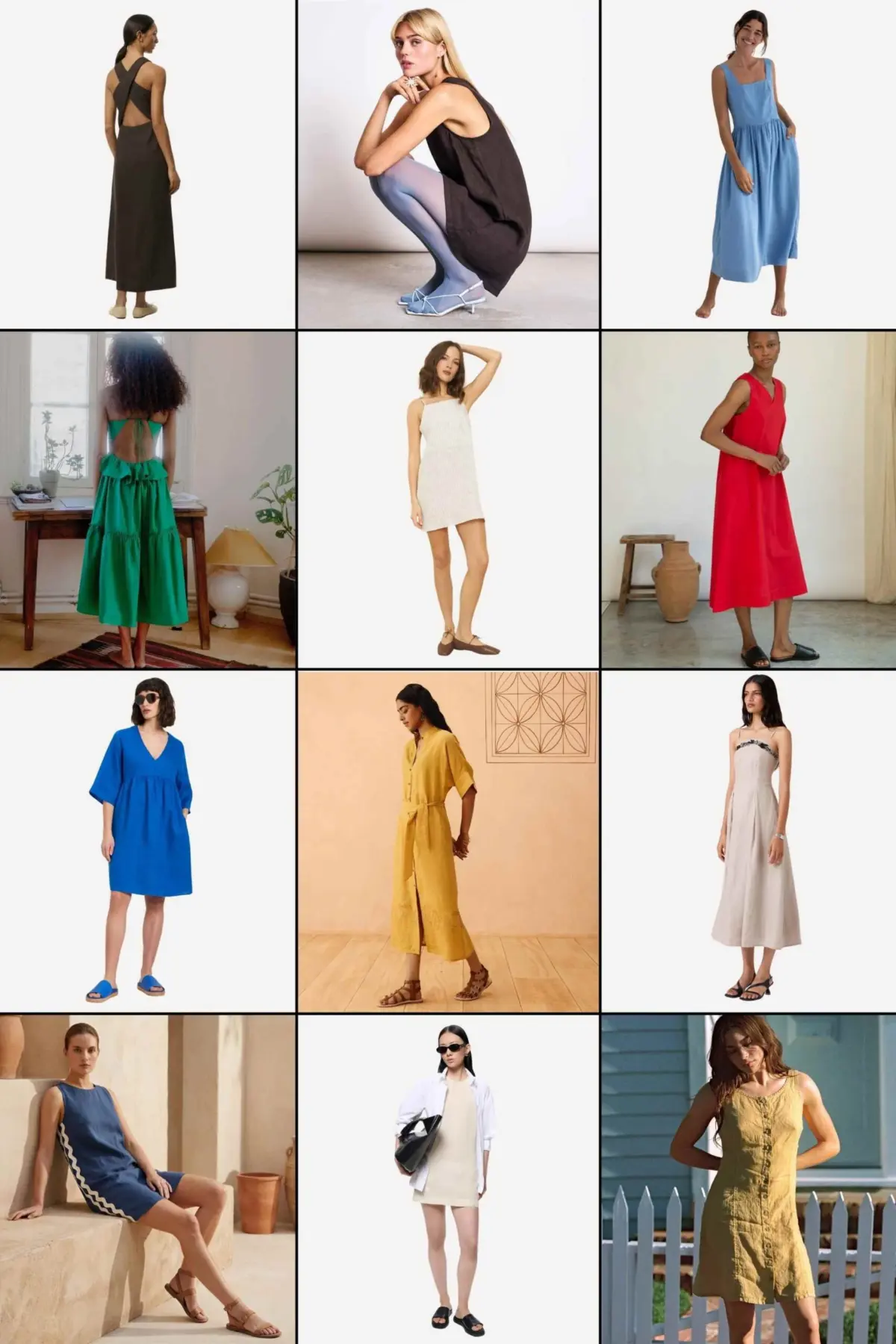
As temperatures climb and heatwaves sweep across regions, finding the right clothing to stay cool becomes an annual challenge for fashion enthusiasts. When seeking an outfit that effortlessly balances breathability, comfort, and environmental responsibility, linen consistently emerges as the ultimate warm-weather textile. Far more than just a seasonal trend, linen offers a lower-impact material choice that excels in hot climates, making it a cornerstone of summer and holiday wardrobes.
Recognizing this seasonal shift, sustainability ratings platform Good On You has released its curated round-up of the best, more sustainable linen dresses currently available on the market. Featuring pieces from ethically evaluated brands known for their high standards of impact and transparency—such as PANGAIA and LA Relaxed—the selection highlights how eco-conscious consumers can remain stylish while navigating rising global temperatures.
Why Linen Dresses Are a Smart Choice for Summer and Beyond
The enduring appeal of linen is rooted in a unique combination of physical properties and environmental advantages. Lightweight and exceptionally cooling, the fabric allows air to circulate freely against the skin, providing natural relief during sweltering days. Furthermore, linen is remarkably durable, outlasting many conventional summer fabrics when properly maintained. From an ecological perspective, it boasts a significantly lower environmental footprint than many alternative textiles commonly used in fast fashion.
Linen is produced from the inner stalk fibers of the flax plant, a resilient crop capable of thriving in poor, nutrient-deficient soil. Compared to conventional cotton, flax cultivation requires a fraction of the water resources to reach maturity. Additionally, flax plants naturally demand fewer chemical pesticides and fertilizers to grow successfully.
However, the journey from plant to garment is not entirely without environmental hurdles. While the agricultural phase of flax is relatively benign, subsequent stages of linen production—particularly the retting and dyeing processes—can often involve heavy chemical usage. To mitigate this ecological impact, industry experts recommend seeking out organic linen that has been certified to credible international standards, such as the Global Organic Textile Standard (GOTS).
Another major perk of pure linen is its inherent biodegradability in its natural, untreated form. However, consumers should note that synthetic dyes, heavy bleaching, and other chemical treatments can alter or impede this natural breakdown process. Examining the specific details of a garment and understanding the distinctions between compostable and biodegradable fashion can help shoppers make more informed purchasing decisions.
When shopping for linen garments, buyers often encounter pieces blended with other fibers. While blending linen with complementary materials is sometimes done to achieve specific textures or to reduce the fabric’s tendency to wrinkle, these material blends present significant challenges during the recycling phase. Consequently, textile experts advise opting for pure, 100-percent linen whenever possible to support circular fashion systems.
Beyond its immediate comfort and environmental credentials, linen is celebrated for its ability to withstand considerable wear and tear. A well-constructed linen dress can easily remain a staple in a wardrobe for years, provided it receives the appropriate care. This longevity is an important factor to consider when shopping for trend-driven styles, encouraging consumers to reflect on whether a particular cut or silhouette will remain appealing across multiple seasons rather than serving as a fleeting, single-season purchase.
Curating an Ethical Linen Wardrobe
For shoppers looking to expand their warm-weather collections with a sustainable linen dress or any other garment, adhering to specific evaluation criteria can lead to better environmental choices. Assessing a brand’s overall transparency, labor practices, and material sourcing remains critical in an industry frequently plagued by greenwashing. Independent rating systems provide essential guidance, allowing consumers to align their purchasing power with brands that genuinely prioritize people, the planet, and animal welfare.
To meet the growing demand for responsible fashion, Good On You has spotlighted a diverse collection of twelve ethical linen dresses. The curated lineup spans a wide range of silhouettes, including breezy maxi dresses, versatile mini lengths, relaxed loose-fitting styles, more formal cuts, and classic shirt dresses. Each featured garment comes from a brand that has undergone rigorous independent assessment by the platform’s ratings system.
The diverse selection features pieces from international labels dedicated to sustainable production. Among the highlighted items are Artknit Studios’ The Linen Twill Special Back Dress, the JAN N JUNE Linen Mini Dress, the TWOTHIRDS Formentera Linen Dress, and the OhSevenDays Holly Linen Dress. Other standout choices include the Whimsy + Row Lainey Striped Linen Mini Dress, the Beaumont Organic Cotton and Linen-Blend Dress, the Lanius Organic Linen Dress, and Sui’s Golden Palm Linen Maxi Shirt Dress.
Rounding out the list of recommended garments are The Summer House Suhjan Embroidered Linen Dress, the SeamsFriendly Contrast-detailed Linen Shift Dress, the Pangaia A-line Linen Dress, and LA Relaxed’s Linen Pinafore. Together, these selections demonstrate that ethical fashion consumers do not need to compromise on style, variety, or comfort when building a sustainable wardrobe designed to withstand the summer heat.