






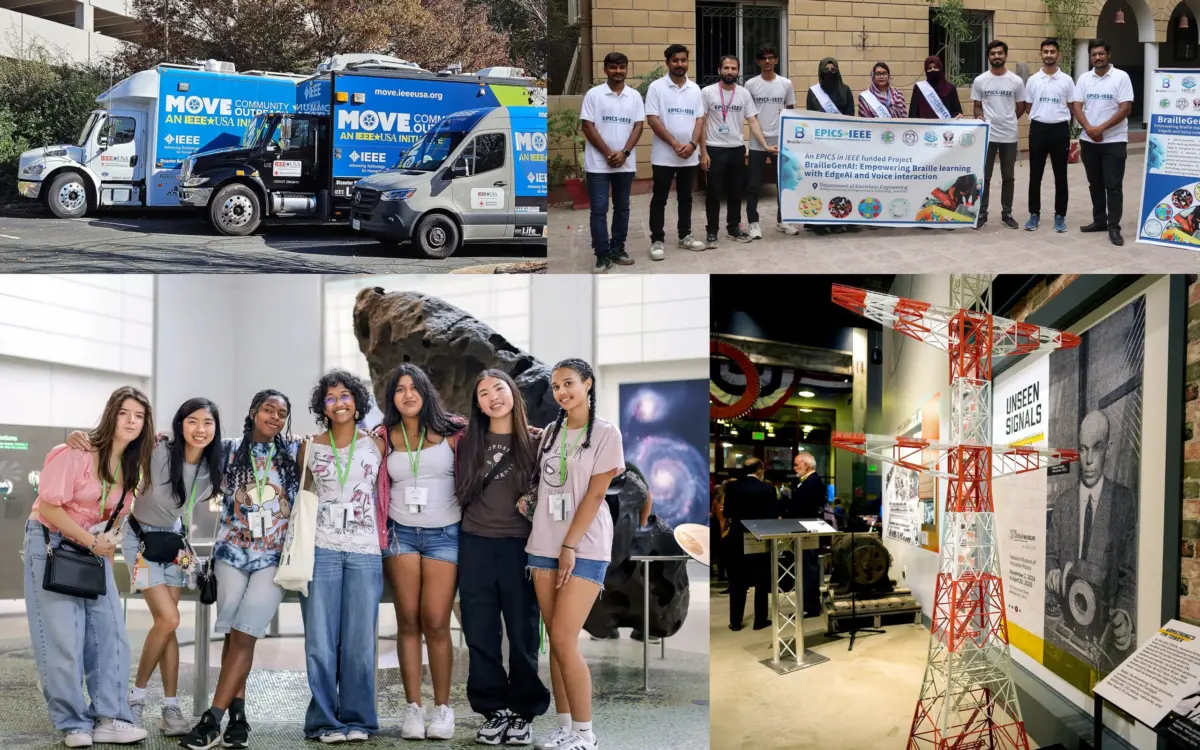
Advancing technology for the benefit of humanity has long served as a guiding principle rather than a mere corporate tagline for the Institute of Electrical and Electronics Engineers. As a prominent public charity, the global organization relies on the dedication of its vast international network to put this mission into practice. Recently, the organization released its comprehensive 2025 Social Impact Report, offering a detailed look at the diverse programs, initiatives, and community-driven projects that volunteers have undertaken over the past year. The report showcases concerted efforts to increase public awareness of how modern technology shapes society, highlighting numerous stories and milestones that have been tracked extensively across organizational publications, including The Institute.
Engineering: A force for good
The release of the report underscores a fundamental belief within the scientific and technical community that professional expertise carries a profound responsibility to society. Sophia Muirhead, executive director and chief operating officer of the organization, emphasized this sentiment in a recent news release accompanying the publication of the Social Impact Report. She pointed out that the global community of more than 500,000 members and volunteers continually demonstrates what becomes possible when specialized knowledge is directly mobilized to serve the public good.
According to Muirhead, technology possesses a unique and transformative power to expand economic and educational opportunities, strengthen vulnerable communities, and drastically improve individual lives across the globe. Consequently, the core mission of the institution remains rooted in ensuring that these powerful technological tools are harnessed responsibly, ethically, and strictly in service of humanity. The newly unveiled 2025 report serves as a tangible testament to this philosophy, detailing how members and volunteers are actively advancing practical, real-world solutions that make a measurable difference in the daily lives of people worldwide.
The emphasis on altruism and societal contribution is not merely a philosophical talking point; it is increasingly driving member retention and recruitment. Recent organizational engagement research reveals a striking trend among professionals within the technical sector. Increasingly, individual members explicitly cite a desire to give back to their profession and the broader world community as a primary motivation for both joining the organization and maintaining their active memberships year after year.
Addressing this cultural shift, IEEE President Mary Ellen Randall explored the significance of these findings in her presidential column discussing the implications of the report. She observed that humanitarian programs possess a unique dual value for the scientific community. Not only are these initiatives deeply meaningful from an ethical and humanitarian standpoint, but they also function as powerful magnets for new talent.
Randall noted that engagement in socially impactful projects consistently attracts younger engineers, helps maintain their long-term commitment, and assists them in forging a professional identity that is deeply rooted in a sense of purpose and tangible societal impact. Furthermore, she emphasized that the organization stands before a historic opportunity to establish itself as the premier global convening force for developing interdisciplinary technological solutions designed to tackle humanity’s most pressing and complex challenges. In her view, the long-term relevance and legacy of the institution will ultimately be defined not solely by the sophistication of the technological marvels it helps advance, but equally by the magnitude and nature of the societal problems it chooses to help solve.