






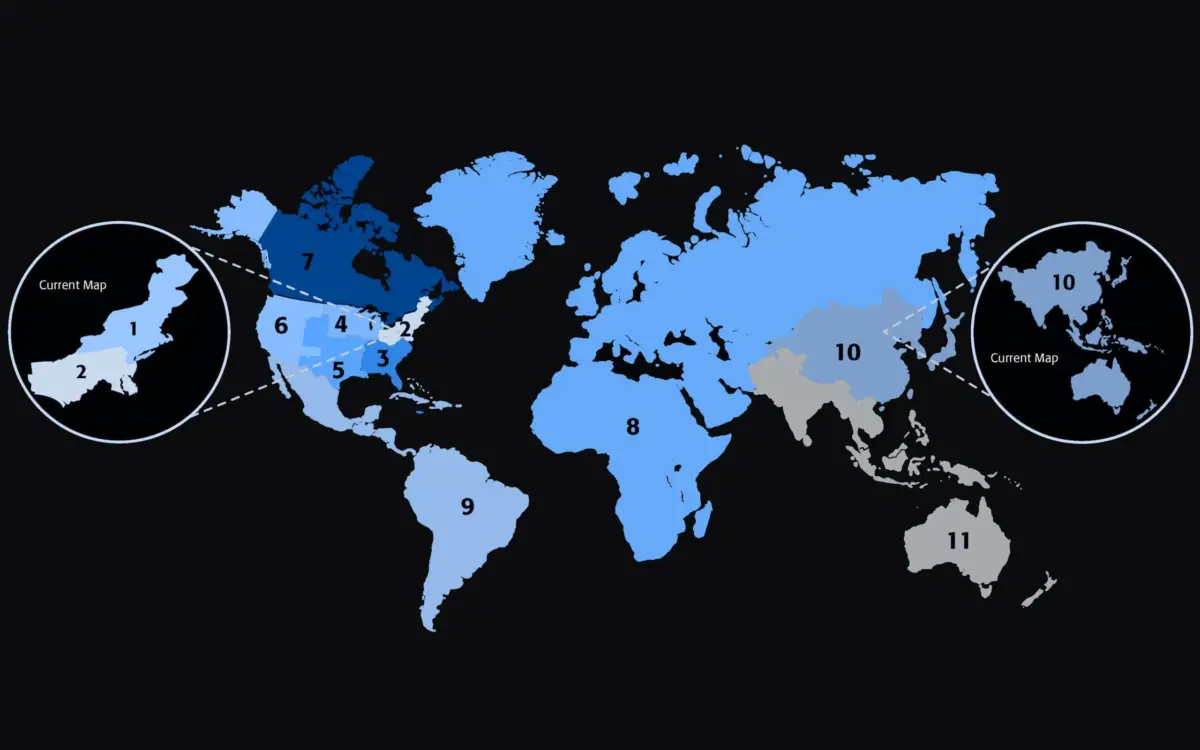
Progress continues steadily in the comprehensive restructuring of IEEE’s geographic regions, building upon the foundational plans initially outlined in The Institute’s February 2023 article, "IEEE Is Realigning Its Geographic Regions." As the organization moves forward, the overarching vision for this monumental administrative shift is increasingly taking shape, guided by the redrawn map that visualizes the future boundaries of the institute’s global footprint.
The initiative represents one of the most significant structural updates to the organization’s geographic framework in recent history. While the official rollout is still several years away, leadership, staff, and volunteers across the organization are heavily engaged in the preparatory phases necessary to ensure a seamless transition for the global technical community.
What’s underway
Although the newly aligned regions will not officially take effect until 1 January 2028, a robust slate of activities has already begun within IEEE Member and Geographic Activities (MGA) and across a wide array of other IEEE organizational units. The multi-year lead-up is designed to address the complex logistical, administrative, and technical challenges associated with redrawing the organizational boundaries of a massive, globally distributed professional association.
Within MGA, dedicated teams of volunteers and professional staff have been actively addressing critical infrastructure needs. These efforts include vital system enhancements to ensure that databases, membership portals, and internal management tools can accurately reflect the new regional structures when they go live. Additionally, planners are working through the intricate details of director and director-elect elections, updating governance documents, refining communication channels, and restructuring regional finances and member offerings to align with the future map.
These ongoing preparations require extensive cross-departmental coordination. Because IEEE operates on a global scale, any modification to regional boundaries has a ripple effect on administrative workflows, financial allocations, and leadership representation. By beginning these preparations years in advance, the organization aims to mitigate potential disruptions and ensure that all internal systems are fully modernized and synchronized well ahead of the 2028 implementation date.
No changes to membership
For the hundreds of thousands of technology professionals, engineers, and academics who comprise the organization’s global membership, the most pressing question during any major organizational transition is often how it will impact their day-to-day engagement. Fortunately, leadership has emphasized that the extensive behind-the-scenes work will not cause any immediate disruption for individual members.
Work will continue at a steady pace from now until the effective date of the realignment in 2028. Organization officials have explicitly clarified that this structural change will not affect individual IEEE memberships, ensuring that members retain all of their standard benefits, publication access, and professional development resources without interruption. Furthermore, the realignment will not change either local IEEE sections or individual chapters. Members will continue to interact with their immediate professional communities, attend local meetings, and participate in regional events through the exact same local structures they rely on today.
The primary objective of the realignment is to optimize the broader administrative and governance oversight of the organization rather than alter the local grassroots experience that forms the backbone of the association. By streamlining larger regional operations, IEEE aims to better support its volunteers, sections, and chapters over the long term, creating a more sustainable and balanced framework for future growth.
As the multi-year transition process moves forward, leadership remains committed to keeping the community informed and addressing any emerging concerns. Members who have specific questions regarding the geographic realignment or how the future changes may pertain to their specific organizational units are encouraged to reach out directly to the dedicated support team at [email protected].